No Jobs, No Troops: Argentinas Dual Crisis Forces Military into Unlikely Role as Vocational School
Argentinas military now doubles as a vocational school for 18–28-year-olds, a drastic pivot driven by twin crises: 18.5% youth unemployment and a 30% drop in military personnel since 2000.
The voluntary program, announced May 29, 2025, offers $250 monthly stipends (73% of the national average salary), health insurance, and retirement contributions. In return, recruits learn trades like mechanics, culinary arts, or security while completing high school.
The initiative revives a struggling 1995 model that recruited just 3,000 youths annually, limited by an age cap of 24. By expanding eligibility, officials aim to address systemic issues: 12% of construction jobs remain unfilled nationwide, and the military’s ranks have shrunk from 80,000 to 56,000 since 2010.
Presidential spokesperson Manuel Adorni framed the move as “professional growth,” sidestepping its roots in economic desperation and President Javier Milei’s broader $6.6 billion energy infrastructure overhaul.
Critics highlight logistical challenges. Rural youth face barriers accessing urban training centers, and the program lacks guarantees of post-service employment.
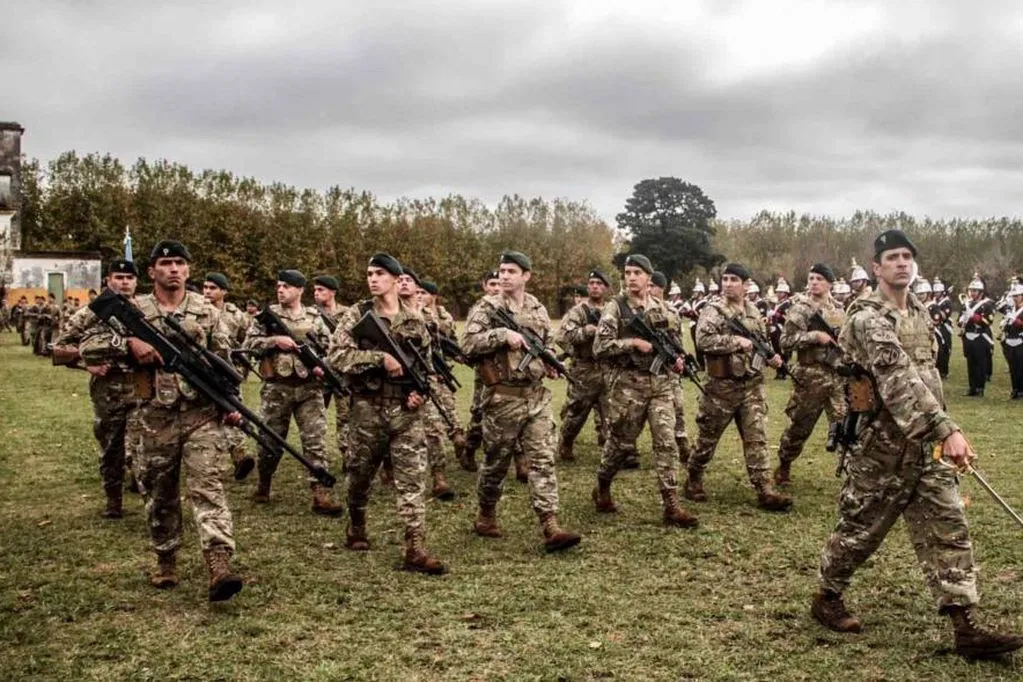
Military leaders are partnering with technical schools to certify skills, but success depends on private-sector buy-in. For example, construction firms could hire graduates to fill labor gaps, but there’s no binding agreement yet.
Argentina’s Voluntary Military Service
Historically, Argentinas military has shifted from forced conscription (abolished in 1994 after a recruit’s death exposed abuse) to this voluntary model. While conscription remains legally possible during emergencies, the current focus is on avoiding it.
The program’s viability hinges on converting military-trained recruits into employable workers—a tall order for an institution that lost 8,000 personnel since 2010.
The experiment reflects a broader trend: states repurposing institutions to address economic shortfalls. Argentinas military now serves as both a defense force and a job-training hub, a pragmatic response to systemic failures.
Whether it becomes a model for other nations or a cautionary tale depends on its ability to deliver stable careers, not just temporary stipends.
More: Argentina news in English, every day from The Rio Times.
This article was produced by The Rio Times’ automated newsroom system. How we use AI · Report an error · Editorial responsibility: Matthias Camenzind, Editor-in-Chief
Read More from The Rio Times