USA & Canada Intelligence Brief — Saturday, October 17, 2026
Executive Summary
USA & Canada Intelligence Brief for October 17: Alberta referendum under foreign influence shadow, Trump orders Russia sanctions with waiver, and Joly.
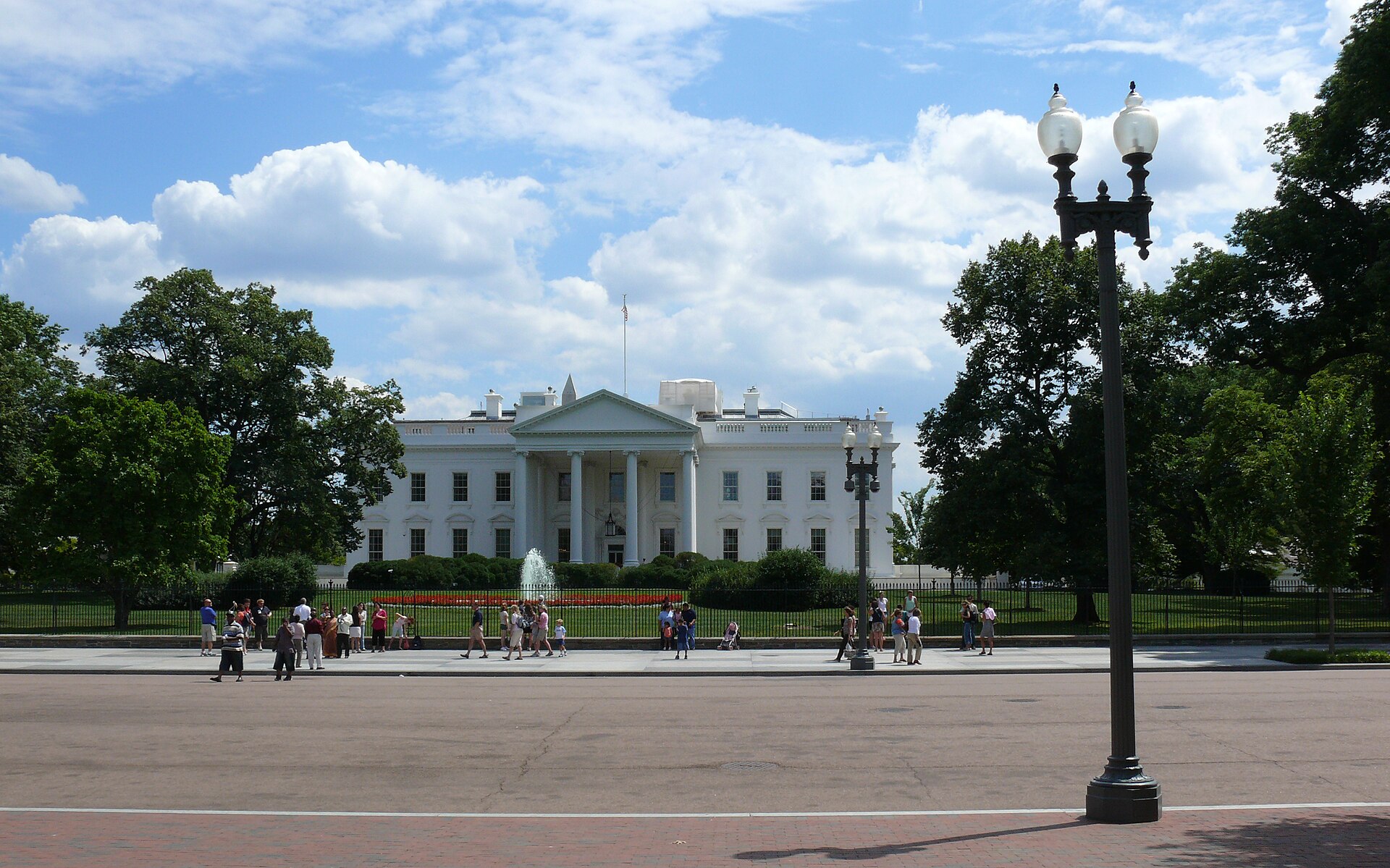
North America’s temper on Saturday is split between Canadian constitutional anxiety and American coercive improvisation, with both capitals performing strength while managing deep uncertainty. Prime Minister Mark Carney campaigned in Edmonton on Friday, 16 October 2026, framing the Alberta referendum as a choice between unity and “years of deep division and great uncertainty,” according to CTV News published on 17 October. The emotional centre is Alberta, where rival rallies are mobilising voters and researchers have observed increased US-linked online influence activity ahead of Monday’s vote.
The register is defensive and securitised, with Canadian leaders speaking of jobs, sovereignty and foreign interference in the same breath. Industry Minister Mélanie Joly warned Cleveland-Cliffs, Stelco’s American owner, to honour employment commitments or risk a forced sale of Canadian assets, while Washington displayed maximal legal pressure on Russia alongside a sweeping national-interest waiver. The language on both sides of the border turns economic relationships into tests of national control.
The through-line is dependence becoming politically intolerable. Steel, energy, digital infrastructure, artificial intelligence and constitutional loyalty are all being recast as questions of who decides Canada’s future, and Washington’s sanctions order shows that even the hardest legal instruments can be softened by executive discretion. Beneath the drama, skilled-worker funding and rare-disease health spending reveal an Ottawa trying to show it can deliver tangible security to anxious households.
Key Facts
Russia sanctions. Trump signed 500% and 100% duties on Russian trade, then waived them before 18 October.
Steel warning. Joly threatened forced sale of Stelco assets over up to 500 planned layoffs.
Alberta influence. University of Regina researchers observed increased US-linked pro-separation online activity before Monday’s referendum.
Vancouver vote. Vancouver’s civic election drew more than 103,000 advance votes over four days in early October, about 60% more than in 2022.
Skills funding. Ottawa announced up to C$258.6 million (US$182.9 million) for critical-sector training.
Alberta: A Referendum Under Foreign Shadow
The Alberta campaign has become a contest over who is entitled to define the province’s future, with Carney urging Albertans to reject separation as a “dangerous bluff” while separatist groups planned a Saturday rally. CTV News reported on 17 October that the pro-Canada organisation Forever Canadian held a rally with Carney on Friday, creating a weekend of competing mobilisations before Monday’s vote. The prime minister’s presence signals that Ottawa views the referendum as a national survival test rather than a provincial consultation.
The Globe and Mail reported on 16 October that researchers at the University of Regina’s Centre for Artificial Intelligence, Data, and Conflict had observed increased US-linked online influence activity ahead of the vote. Pro-separation narratives portraying Alberta as having no alternative but to join the United States were dominant among the identified American-origin messages. For a US reader, the finding matters because it suggests that external actors are treating Canada’s internal divisions as an opportunity to reshape North American political geography.
The referendum itself remains the central emotional fact. What is clear is that both sides are treating the vote as irreversible, leaving little room for ordinary disagreement or compromise. The mood in Alberta is therefore a mixture of defiance, suspicion and fatigue.
Washington: Coercion Without Commitment
President Donald Trump issued an executive order late Friday, 16 October 2026, implementing the Lindsey O. Graham Sanctioning Russia and Iran Act of 2026, setting 500% duties on Russian goods and 100% duties on major buyers of Russian oil and gas, but waiving them before they took effect on 18 October. Anadolu Agency reported on 17 October that the White House said Trump waived the duties and many sanctions on national-interest grounds, with the waivers continuing until the President or Secretary of State decides otherwise. The order is a display of maximal legal pressure combined with executive discretion not to apply it.
The psychogram is coercion without commitment: Washington is signalling resolve to domestic and allied audiences while preserving room for diplomatic manoeuvre. The waiver mechanism means the practical effect on Russian energy buyers, including any in Latin America, remains uncertain. For a US reader, the episode illustrates how sanctions policy has become an instrument of presidential signalling rather than a predictable legal regime. CBC News reported on 17 October that a news report attributed an order restricting Ukraine’s access to Starlink to the White House, and that Trump’s remarks followed that report. Washington’s mood is assertive but improvisational, with allies and adversaries alike unable to rely on stated policy.
Ontario: Steel Jobs Become Sovereignty Test
Industry Minister Mélanie Joly warned Cleveland-Cliffs, the American owner of Stelco, to honour job commitments or risk a forced sale of Canadian assets, according to the local reports published on 16 October and updated on 17 October. The report said Stelco had announced plans for up to 500 layoffs at Hamilton and Lake Erie facilities, citing trade disruption, weak demand and import pressure. The warning turns a private employment dispute into a test of Canadian economic sovereignty.
Joly’s intervention reflects a broader federal determination to prevent American ownership from translating into Canadian deindustrialisation. The government is signalling that foreign investors must accept social obligations, not merely commercial ones. For a US reader, the episode matters because it shows Ottawa willing to use regulatory power against American capital when jobs and regional stability are at stake.
The steel dispute also feeds the same narrative of dependence becoming intolerable that runs through the Alberta campaign and the AI-governance debate. Canadian leaders are increasingly framing economic relationships with the United States as vulnerabilities requiring state intervention. The mood in Ontario’s industrial belt is anxious and watchful, with workers waiting to see whether political warnings translate into preserved jobs.
British Columbia: Voting Without A Conservative Platform
Vancouver’s civic election drew more than 103,000 advance votes over four days in early October, about 60% more than in 2022. The surge suggests heightened public engagement, but the campaign is unfolding without a costed Conservative platform. Interim Conservative leader Lorne Doerkson said the platform would be released “imminently” after internal checks, while NDP leader David Eby argued that Conservative promises could cost C$5 billion (US$3.54 billion) without a financing plan.
The platform gap matters because it leaves voters unable to assess the fiscal consequences of a potential change in government. Eby’s criticism is designed to frame the Conservatives as reckless, while Doerksen’s delay suggests internal disagreement or caution. For a US reader, the British Columbia election is a reminder that Canadian political volatility extends beyond Alberta and Ottawa.
Record advance turnout in Vancouver’s civic election shows strong local engagement, even as national attention focuses on the referendum. The province’s resource and trade exposure means its election outcome will shape Canadian climate, energy and investment policy for years. The mood in British Columbia is engaged but uncertain, with voters being asked to choose before one major party has fully explained its plans.
Ottawa: Delivering Security Through Spending
Jobs Minister Patty Hajdu announced up to C$258.6 million (US$182.9 million) over five years for training in critical sectors, including energy and critical minerals, on Friday, 16 October 2026, according to CTV News. The programme would provide C$50 million (US$35.4 million) annually in subsequent years and form part of a wider federal effort targeting as many as 100,000 skilled workers over five years. The announcement is an attempt to show that Ottawa can deliver economic security through industrial policy rather than relying on American markets.
The stated rationale, as paraphrased by CTV, was to close skills gaps and support infrastructure, energy and critical-minerals ambitions. For a US reader, the spending signals that Canada is preparing for a more autonomous economic future, with less dependence on American demand and technology.
local reports News reported on 17 October that President Trump was hosting a Washington summit with leading AI companies, while Canada lacked overarching federal AI regulation. Prime Minister Carney had announced a national AI council, and the Liberal government’s proposed Bill C-34 would establish requirements for AI-chatbot safety. The contrast between Washington’s industry-led summit and Ottawa’s regulatory approach reflects a broader divergence in how the two countries are managing technological dependence.
What This Means From Latin America
Washington’s Russia-sanctions order carries indirect but significant implications for Latin American energy importers. If the waiver is lifted, Latin American countries that buy Russian energy could face new trade frictions, while those that compete with Russian suppliers might see demand shift.
Canada’s industrial-policy turn also matters for hemispheric trade and investment. Ottawa’s emphasis on critical minerals, energy and skilled workers could draw capital and attention away from Latin American resource projects, or create new opportunities for partnership. The broader use of executive waivers and sanctions exemptions suggests that Washington’s trade policy will remain unpredictable, complicating planning for Latin American governments and firms.
What We Are Watching
- Sunday 18 October: Prospective US duties on major Russian-energy buyers — subject to the presidential waiver described by Anadolu Agency on 17 October; a test of whether Washington applies or continues to suspend coercive trade measures.
- Monday 19 October, 8:30 a.m. ET: Canada inflation rate — September forecast at 3.2% against 3.0% in August; a key input for the Bank of Canada and a potential market mover on referendum day.
- Monday 19 October: Alberta referendum — the central political event of the week; the outcome will shape Canadian constitutional and economic stability for months.
- Wednesday 28 October: Expected Federal Reserve and Bank of Canada decisions — both central banks are scheduled to announce policy; the Bank of Canada rate has remained at 2.25% since October 2025.
- Saturday 24 October: British Columbia provincial election — the vote will determine the province’s direction on energy, housing and fiscal policy after a campaign marked by high advance turnout.
Background: USMCA 2026 Trade Pact Guide.
Background: Oil and Energy in Latin America 2026: A Guide.
Frequently Asked Questions
What did President Trump order on Russia sanctions?
President Trump issued an executive order on Friday, 16 October 2026, implementing the Lindsey O. Graham Sanctioning Russia and Iran Act of 2026. The 500% and 100% duties were set to start on 18 October, but Trump waived them before they took effect.
What is the Alberta referendum about?
The referendum asks Albertans whether the province should begin a process towards separation from Canada. Prime Minister Mark Carney campaigned against separation, calling it a “dangerous bluff” that would bring years of deep division and great uncertainty.
Why did Mélanie Joly warn Cleveland-Cliffs?
Industry Minister Mélanie Joly warned Cleveland-Cliffs, Stelco’s American owner, to honour job commitments or risk a forced sale of Canadian assets. The warning followed Stelco’s announcement of plans for up to 500 layoffs at Hamilton and Lake Erie facilities, citing trade disruption and weak demand.
How is British Columbia’s election campaign unfolding?
Advance voting for the provincial election began on Friday, 16 October 2026; separately, Vancouver’s civic election drew more than 103,000 advance votes in early October, about 60% more than in 2022. The campaign is notable because the Conservatives had not yet released a costed platform, while the NDP argued their promises could cost C$5 billion without a financing plan.
This article was produced by The Rio Times’ automated newsroom system. How we use AI · Report an error · Editorial responsibility: Matthias Camenzind, Editor-in-Chief
Read More from The Rio Times