Colombia’s Oil Giant Ecopetrol: The Anchor Holding an Economy—and the Weight of Its Future
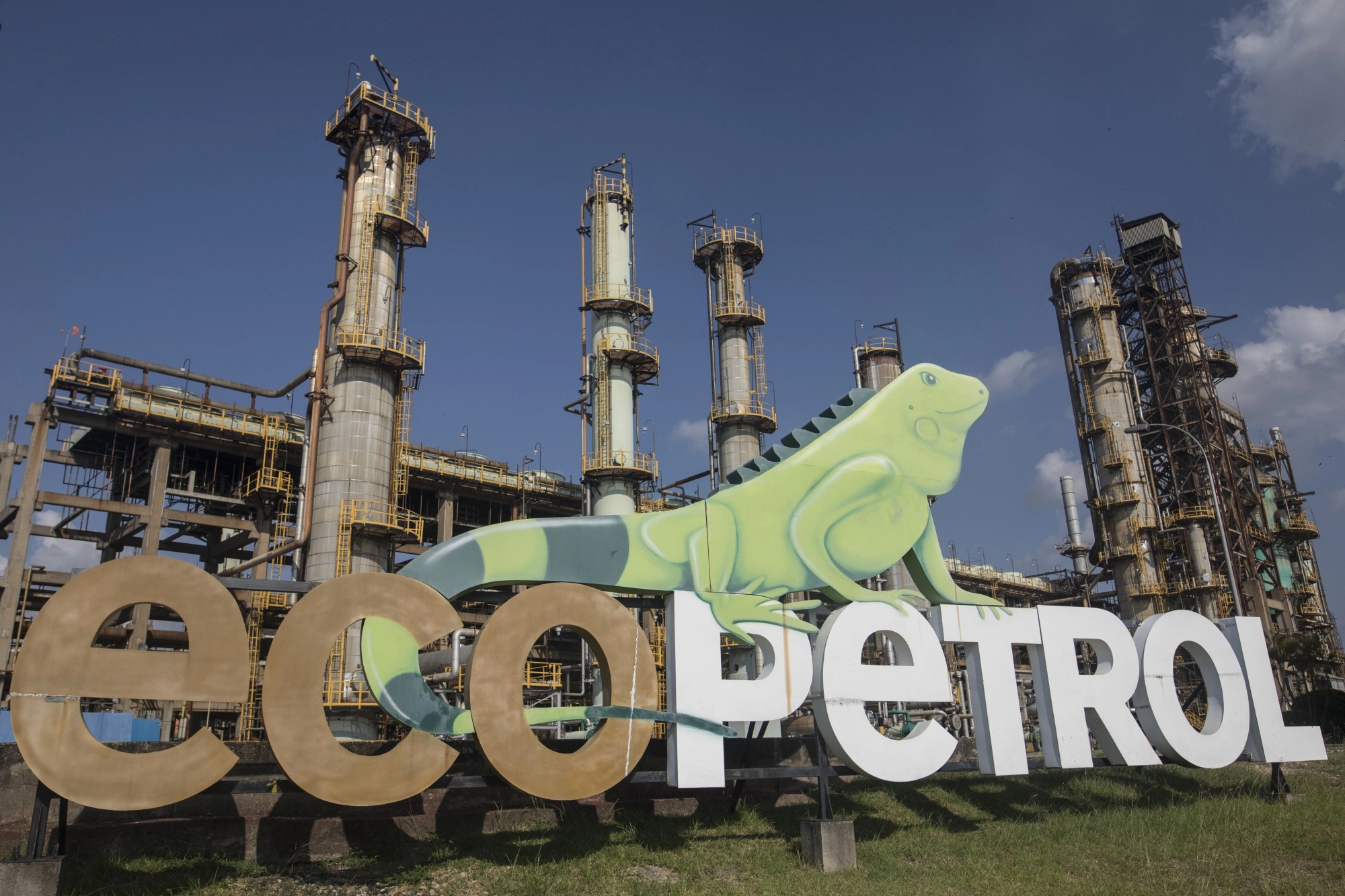
Ecopetrol, Colombia’s state-controlled oil company, remains the backbone of the nation’s economy. In 2024, it generated $133.3 trillion COP ($32.3 billion) in revenue, contributing 1.84% of Colombia’s GDP.
It also transferred $42.0 trillion COP ($10.2 billion) to the government and shareholders through taxes, dividends, and royalties. This financial lifeline funds roughly 10% of the national budget, supporting public services, infrastructure, and social programs.
Yet its dominance exposes Colombia to global energy market volatility. The company produces 62% of Colombia’s oil and meets 66% of domestic gas demand, while its exports accounted for 19.6% of national sales in early 2025, earning $2.3 billion in a single quarter.
However, profits fell 24% in 2024 due to lower oil prices and currency fluctuations, with net income dropping to $14.9 trillion COP ($3.6 billion). CEO Ricardo Roa faces criticism for 600 layoffs since 2023 and debates over balancing fossil fuel investments with renewable energy transitions.
To secure its future, Ecopetrol plans to raise $2.0 billion in debt for strategic acquisitions, including Enel’s Windpeshi wind project, and expand oil reserves.
Its 7.6-year reserve life and 260 million barrel reserve replacement in 2024 reflect urgent efforts to sustain output. With 88.5% government ownership, the company’s direction hinges on navigating geopolitical pressures and Colombia’s push toward renewables.
Beneath the Black Gold: How Ecopetrol’s Struggles Mirror a Nation’s Economic Fragility
Ecopetrol’s role as Colombia’s economic anchor masks vulnerabilities mirrored in the nation’s broader fiscal landscape. The company’s $42.0 trillion COP ($10.2 billion) annual contribution to the state—equivalent to 10% of the budget—highlights Colombia’s reliance on a single sector.
This dependency intensifies risks: a downturn in oil prices or production could strain public finances, as seen in 2024’s 24% profit decline. Internally, Ecopetrol’s challenges echo national struggles.
Its 600 layoffs and debt-driven expansion plans reflect Colombia’s balancing act between economic stability and long-term sustainability.
The company’s 7.6-year reserve life underscores urgent needs to replace depleting resources, requiring $2.0 billion in new debt for acquisitions like wind farms. These moves signal a cautious pivot toward renewables, though fossil fuels remain central to its strategy.
Externally, Ecopetrol faces global pressures: volatile oil markets and currency fluctuations threaten profitability, while environmental shifts demand costly transitions.
The company’s $14.9 trillion COP ($3.6 billion) net income in 2024 and 19.6% export share reveal its irreplaceable role, but declining margins and debt risks expose the fragility of this model.
With 88.5% government ownership, Ecopetrol’s future is inseparable from Colombia’s ability to diversify its economy and navigate energy market turbulence.
More: Colombia news in English, every day from The Rio Times.
Live Company IntelligenceEcopetrol SA ADR — the full investor dossier
Wall Street view
Valuation & profitability
Price & risk
$8.5052-wk high
$18.38
Revenue trend · 6y
Ownership
Dividend
This article was produced by The Rio Times’ automated newsroom system. How we use AI · Report an error · Editorial responsibility: Matthias Camenzind, Editor-in-Chief