Morocco Says Eid Cancellation Is Premature
Morocco’s government says it is too early to talk of cancelling next year’s Eid sheep sacrifice, while it works to rebuild a national herd weakened by years of drought.

Politics: Morocco
Morocco’s government said on Thursday 26 November 2026 that talk of cancelling next spring’s Eid al-Adha sheep sacrifice is “premature”. Samir Belfkih, the government spokesperson and housing minister, told the weekly press briefing after the cabinet meeting that the topic is “not on the agenda”.
Eid al-Adha, the Muslim festival of sacrifice, is the holiday in which families traditionally sacrifice an animal, usually a sheep. The holiday falls in spring 2027, about five months away as Belfkih put it, so the answer matters now to breeders, butchers and households watching meat prices.
Key Facts
- Who. Samir Belfkih, Morocco’s government spokesperson and housing minister.
- What. He called talk of cancelling the 2027 Eid al-Adha sheep sacrifice “premature”.
- Where. Morocco, at the weekly press briefing after the cabinet meeting.
- When. Thursday 26 November 2026, with the holiday about five months away.
- As of. 26 November 2026, 20:00 GMT
Morocco’s government says it is too early to talk of cancelling next year’s Eid sheep sacrifice, while it works to rebuild a national herd weakened by years of drought.
The remark answers a report in a Moroccan daily newspaper, citing a government source, that the sacrifice might be cancelled again. The government has not confirmed that report, and Belfkih said the matter is not under discussion.
Morocco’s king, Mohammed VI, called on Moroccans on Wednesday 26 February 2025 not to perform the sacrifice that year, citing climate and economic challenges, a sharp fall in livestock numbers and pressure on low-income households. The government then launched a herd-reconstitution programme, with support for breeders, females kept for breeding, feed-cost measures and eased imports of livestock and red meat.
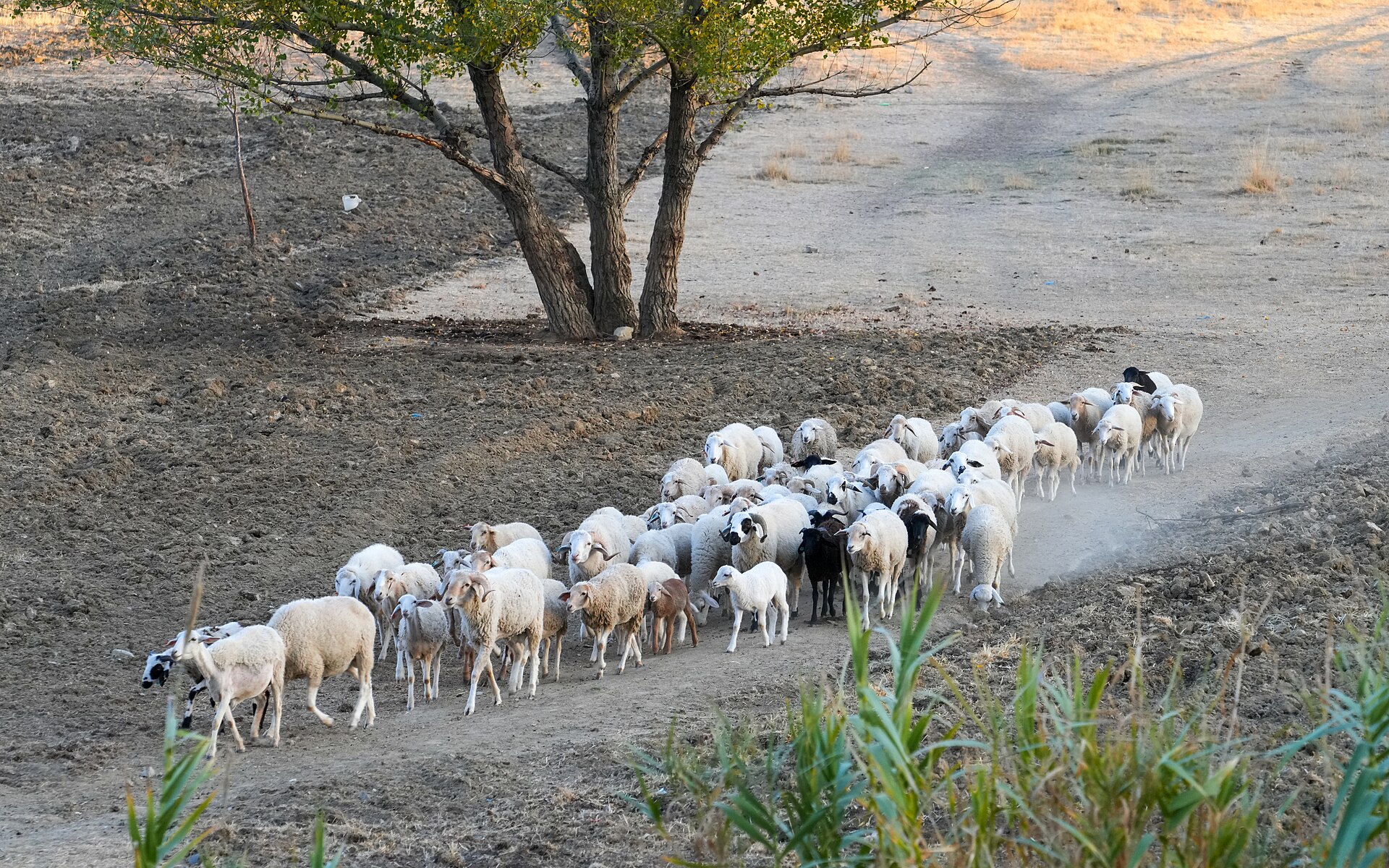
On Thursday 19 March 2026, Mustapha Baitas, then the government spokesperson, announced that the sacrifice would take place at Eid al-Adha 2026. He cited abundant rain and the herd-rebuilding measures, and reports of that briefing put a normal year at about 6 million animals, 90% of them sheep.
On Thursday 14 May 2026, Baitas and Agriculture Minister Ahmed El Bouari said national supply for the Eid exceeded 8 million sheep and goats. The government put the national sheep herd near 40 million head, with about 95% of targeted breeding females, close to 20 million animals, preserved since August.
On 13 February 2025, El Bouari said the national herd had fallen about 38% compared with 2016. No herd count for today was given on Thursday.
Belfkih said the government’s current priority is rebuilding the national herd. He said the herd strategy follows directives from the king and that the Agriculture minister will present its outlines “at the earliest opportunity”.
The government appointed on Friday 16 October 2026, under Prime Minister Fatima Zahra El Mansouri after the September elections, is the one now carrying that programme forward. Its spokesperson said the Agriculture minister is also preparing a full review of the previous government’s customs and tax exemptions for parliament.
Belfkih blamed high meat prices on seven consecutive years of drought, climate change and higher production costs, especially feed, fuel and transport. He added that this is not unique to Morocco.
In its first five weeks, he said, the government adopted a joint circular, or official instruction, by the Interior, Agriculture, and Economy and Finance ministries requiring publication of meat prices, sources and suppliers. He said this apparently helped stabilise prices, and that the goal for 2027 is to lower them.
From Friday 1 January 2027, exemptions from import duty for meat importers will go to those who meet a new “specification book”, a published list of conditions, instead of the current licensing system. Reports of the briefing gave no further detail on the conditions or on who is likely to qualify.
A ritual that needs animals on this scale depends on herd size, so herd-rebuilding policy decides whether the sacrifice can go ahead in 2027. The same herd sets the price of meat, a daily cost for most Moroccan households.
The government has not published import volumes, subsidy amounts, a decision on the 2027 sacrifice or a date for the herd strategy. Belfkih did not say how the new import conditions will differ in practice from the licences they replace.
The next fixed date is Friday 1 January 2027, when the new import mechanism starts. The date of the Agriculture minister’s herd-strategy presentation and the exact date of Eid al-Adha 2027 are not confirmed.
Frequently Asked Questions
Has Morocco cancelled the Eid al-Adha sacrifice for 2027?
No. The government spokesperson called the idea premature and said it is not under discussion.
Why does the herd matter for the holiday?
The ritual needs a very large number of animals, so the size of the national herd decides whether it can go ahead. The government says rebuilding that herd is a priority.
What changes for meat importers?
From the start of 2027, customs exemptions go to importers who meet a published list of conditions rather than to licence holders. Reports of the briefing gave no further detail.
Sources
Sources: Moroccan Government Council press briefing, 26 November 2026; Moroccan government press briefings of 19 March and 14 May 2026; royal message of 26 February 2025.
This article was produced by The Rio Times’ automated AI newsroom. Editorial responsibility: Matthias Camenzind, Publisher and Editor-in-Chief. The Rio Times also runs Ask Rio Times, which answers from 100,000+ of our own articles, the daily Latin America Power Map, and prediction-market odds on elections and markets.. How we use AI · Report an error