Mauritius Public Debt Put at 88% of GDP
Official papers show a heavier debt load than the figures the Prime Minister is reported to have given this week.

Economy: Mauritius
Mauritius’s public-sector debt stood at 88.0% of GDP, the size of the economy, at 30 June 2026, according to a written reply by Prime Minister Navin Ramgoolam published on 7 August 2026. That is well above the 81.4% he is reported to have cited on Tuesday 24 November 2026.
A summary of that day’s Question Time in the National Assembly, the Mauritian parliament, also has him saying the deficit fell from 8.5% to 5% of GDP. No transcript was public when we published, so we treat the 24 November figures as reported, not confirmed.
Key Facts
- Who. Prime Minister Navin Ramgoolam, who is also Mauritius’s finance minister.
- Debt. Rs (Mauritian rupees) 683.4 billion, about US$14.6 billion, or 88.0% of GDP, at 30 June 2026.
- Deficit. The 2026-27 budget projects 3.7% of GDP; the Prime Minister is reported to cite 5% for 2025-26.
- As of. 24 November 2026, 20:00 GMT.
Official papers show a heavier debt load than the figures the Prime Minister is reported to have given this week.
In the August reply, Ramgoolam put debt at Rs 683.4 billion (about US$14.6 billion) at 30 June 2026, up from Rs 634.7 billion (about US$13.5 billion) a year earlier. The ratio to GDP edged down from 88.5% to 88.0%.
The same reply expected interest payments of Rs 29.2 billion (about US$623 million) in 2026-27 and repayments of principal, the borrowed sum itself, of Rs 180.8 billion (about US$3.9 billion). Conversions in this article use Rs 46.9 per US$, the open market rate on 24 November 2026.
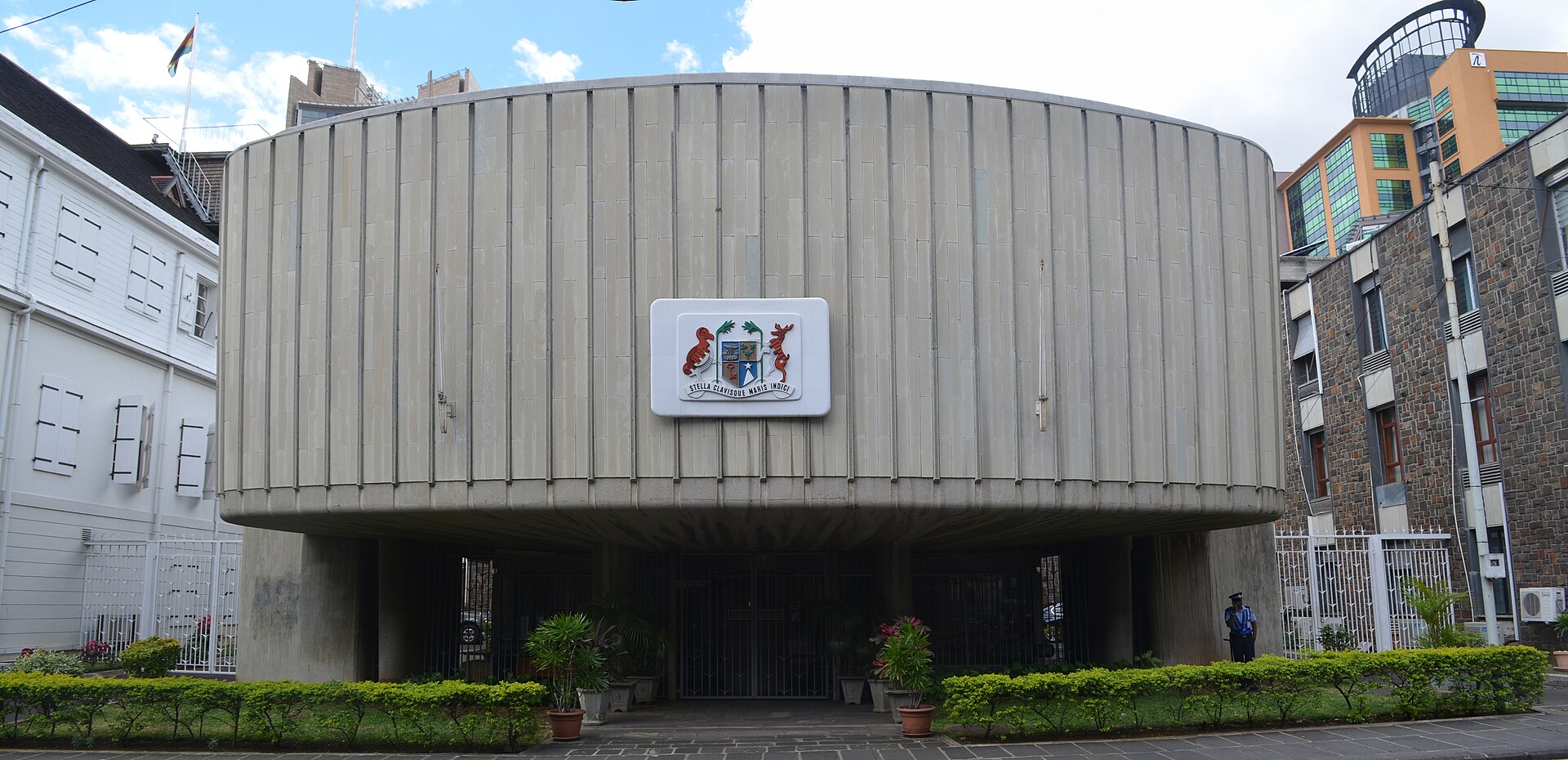
The Ministry of Finance’s Budget 2026-27, presented in June 2026, projects a deficit of 3.7% of GDP. It sets spending at Rs 266.7 billion (about US$5.7 billion) against revenue of Rs 235.5 billion (about US$5.0 billion).
The budget targets a deficit of 3% in 2027-28 and a fall in debt to 85.6% of GDP in June 2027, then to about 79.8% in June 2029. Those are the official paths against which the November figures can be compared.
At Question Time on 24 November 2026, Ramgoolam is reported to have said the deficit fell from 8.5% of GDP in 2024-25 to 5% in 2025-26, and that public-sector debt was 81.4% of GDP at the end of June 2026. He is reported to have blamed inherited problems, Middle East tensions, higher energy prices and shipping costs.
We could not match the 24 November figures to a transcript, to the budget papers or to the August reply. The 81.4% sits well below the 88.0% given in August, and we found no official explanation of the gap.
Moody’s, a credit rating agency, rates Mauritius Baa3, the lowest investment grade, with a negative outlook, and it kept that stance on 26 June 2026. That is why the debt ratio and the deficit matter to investors who follow the rupee and the country’s credit standing.
We found no audited 2025-26 final result from the Ministry of Finance or the statistics office. The definitions behind the 8.5% and 5% figures have not been published.
For the external side of the accounts, see the September trade deficit report. The next fixed point is the budget’s deficit target of 3% of GDP for 2027-28.
Frequently Asked Questions
What is a budget deficit?
It is the gap between what a government spends and what it collects in a year, shown as a share of the economy.
Why do the debt figures differ?
The government has not said which definition each figure uses. The August written reply and the November answer are the two statements to compare.
Why does this matter outside Mauritius?
Mauritius is an international financial centre, so its debt path feeds into its credit rating and currency. Investors watch both.
Sources
Prime Minister’s written parliamentary reply, published 7 August 2026; Ministry of Finance, Budget 2026-27 estimates, June 2026; Moody’s Ratings statement of 26 June 2026; summary of Prime Minister’s Question Time, 24 November 2026 (transcript not yet published).
This article was produced by The Rio Times’ automated AI newsroom. Editorial responsibility: Matthias Camenzind, Publisher and Editor-in-Chief. The Rio Times also runs Ask Rio Times, which answers from 100,000+ of our own articles, the daily Latin America Power Map, and prediction-market odds on elections and markets.. How we use AI · Report an error
Connected Coverage