Legal Battle Against Evo Morales Deepens as Bolivia’s Political Divide Widens
Bolivian authorities have reissued an arrest warrant for former President Evo Morales, escalating a high-profile legal battle. The case intertwines allegations of statutory rape and human trafficking with the country’s turbulent political landscape.
The case began with accusations that Morales fathered a child with a 15-year-old girl in 2016 while in office. It has since reignited tensions between Morales and his former ally, current President Luis Arce.
The warrant, signed by Judge Nelson Rocabado, follows Morales’ failure to appear at multiple court hearings in January 2025. Prosecutors allege that the relationship with the minor was facilitated by her parents in exchange for political favors, a claim that qualifies as human trafficking under Bolivian law.
Morales denies all allegations, calling them a politically motivated effort to block his potential candidacy in Bolivia’s August 2025 presidential election. Morales, who served as Bolivia’s first Indigenous president from 2006 to 2019, remains a polarizing figure.
His nearly 14-year tenure saw significant reforms but was marred by accusations of authoritarianism and judicial manipulation. After resigning amid allegations of electoral fraud in 2019, Morales returned to Bolivia under the presidency of Arce, his former finance minister.
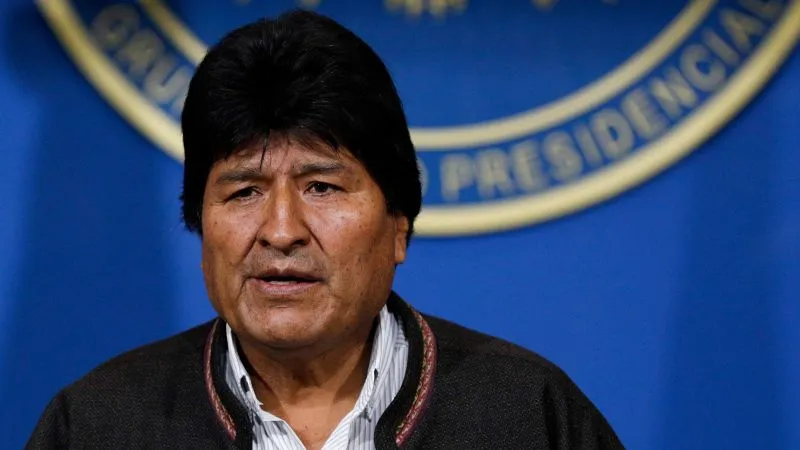
However, their alliance has fractured, with both vying for control of the ruling Movement for Socialism (MAS) party. The legal proceedings have intensified this rivalry. Morales’ assets have been frozen, and he faces a potential prison sentence of up to 15 years if convicted.
Bolivia’s Political Uncertainty
Meanwhile, he has taken refuge in the Chapare region, a coca-growing stronghold where loyal supporters have formed security perimeters to prevent his arrest. These supporters warn of social unrest should authorities attempt to detain him.
The case also underscores broader issues in Bolivia’s judiciary, long criticized for political interference. Human Rights Watch has documented systemic weaknesses that undermine judicial independence, a concern heightened by the timing of the charges against Morales.
As Bolivia approaches its presidential election amid economic challenges, inflation has exceeded 12% and fuel shortages persist. The Morales case adds another layer of uncertainty.
Whether seen as legitimate legal action or political persecution, the outcome will likely shape Bolivia’s political future. It may also deepen existing divisions.
More: Bolivia news in English, every day from The Rio Times.
This article was produced by The Rio Times’ automated newsroom system. How we use AI · Report an error · Editorial responsibility: Matthias Camenzind, Editor-in-Chief