The Kenya Pipeline IPO Cleared. Foreign Buyers Took 0.15% of Their Slice

KENYA · MARKETS
Key Facts
The offer: Kenya Pipeline Company put Sh103.6 billion of shares on sale at Sh9 each. The offer opened on 19 January 2026, closed on 24 February and listed on the Nairobi bourse on 10 March.
A late rescue: Days before the close, investors had taken up under 10% of the shares. The offer finished 105.7% subscribed, raising Sh112 billion against a Sh106 billion target.
Who actually paid: Uganda and thirteen state-backed pension schemes and agencies supplied Sh95.8 billion of the Sh106.3 billion required. Uganda alone put in Sh33 billion.
Foreign demand: Foreign investors bought Sh34.8 million against a Sh21.2 billion allocation. Oil marketers took Sh23.1 million, or 0.14% of their Sh15.9 billion allocation.
Retail Kenyans: Domestic retail buyers took Sh4.1 billion of a Sh21.2 billion allocation. Eighteen of the top twenty shareholders sit in nominee accounts.
The fees: Lead transaction adviser Faida Investment Bank earned a Sh1.16 billion success fee plus Sh98.6 million for the adviser role. Placement fees are capped by law at 1.5% of the offer, shared among 22 brokers and investment banks.
The Kenya Pipeline IPO closed 105.7% subscribed and raised Sh112 billion, and documents seen by Business Daily show state-linked money supplied Sh95.8 billion of it. Foreign investors bought Sh34.8 million against an allocation of Sh21.2 billion.
What the Kenya Pipeline IPO looked like from outside
Kenya Pipeline Company offered Sh103.6 billion of shares at Sh9 apiece, opening on 19 January 2026 and closing on 24 February. It listed on the Nairobi Securities Exchange on 10 March.
The government needed Sh106.3 billion to call the exercise a success, with a floor of Sh53.1 billion from more than 250 investors. The final print was 105.7% subscribed and Sh112 billion raised.
On those numbers, this was the largest and most successful privatisation on the continent’s most sophisticated frontier exchange. That is how it was reported at the time.
Documents seen by Business Daily, and reported on 31 August, describe a different sequence. Days before the close, investors had bought less than a tenth of the offer.
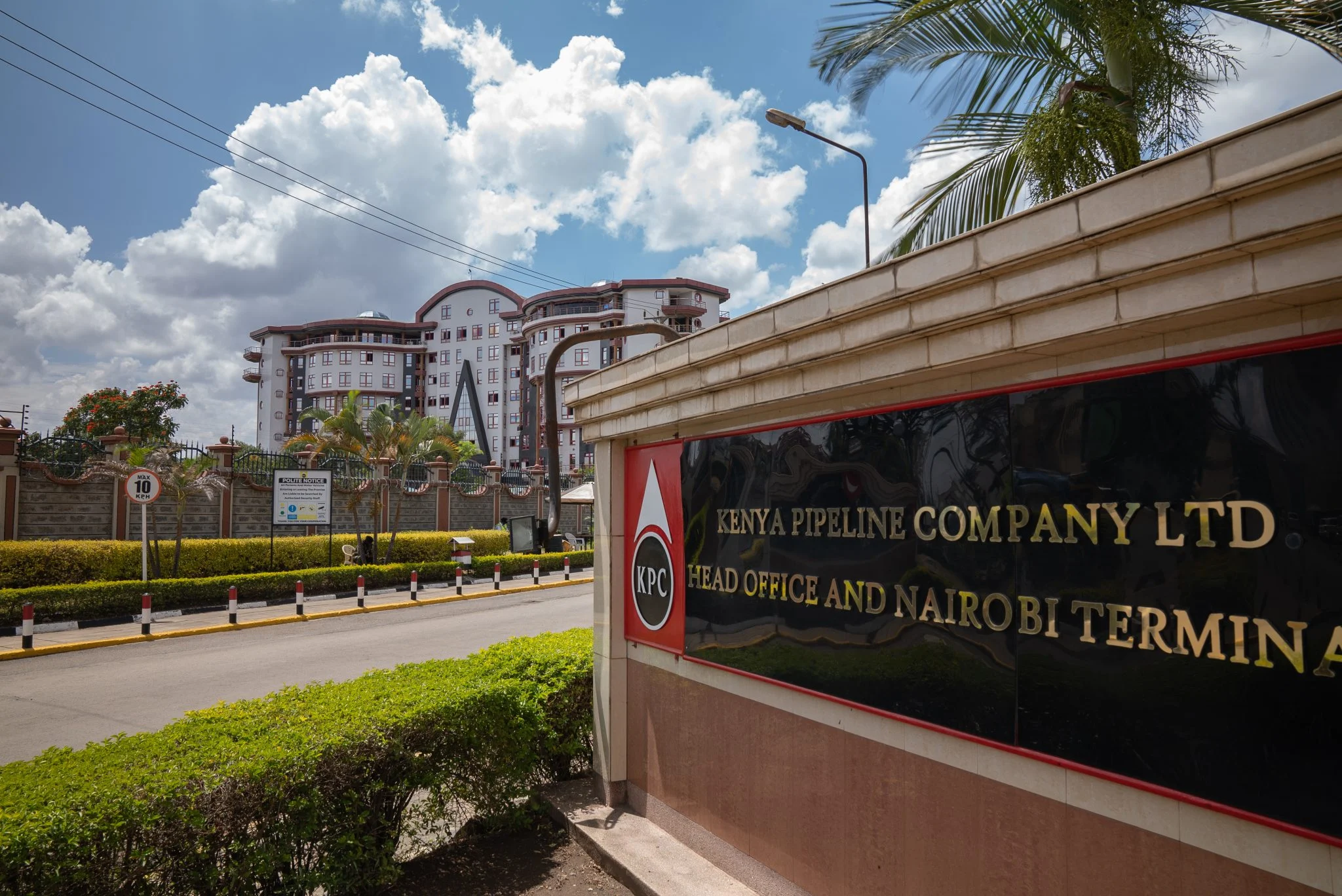
Where the money came from
Uganda and thirteen state-backed pension schemes and agencies together supplied Sh95.8 billion of the Sh106.3 billion required. That is roughly nine tenths of the raise from entities the state can pick up the telephone to.
Uganda’s contribution was Sh33 billion, and the Unclaimed Financial Assets Authority put in Sh3.2 billion. The newspaper printed two conflicting breakdowns of the remaining institutional buyers in consecutive paragraphs, so the individual pension-fund figures should be treated as unreliable until reconciled.
A foreign sovereign taking a Sh33 billion position in a neighbour’s pipeline monopoly is unusual on its own terms. Neither the Ugandan entity involved nor the authority under which it invested is identified in the reporting.
One anonymous parastatal chief executive described the pressure directly. “There was tacit order from above to buy the KPC shares,” he told the newspaper.
The buyers who stayed away
Foreign investors bought Sh34.8 million of a Sh21.2 billion allocation, which is about 0.15%. That is not weak demand; it is an absence of demand.
Oil marketers, the companies whose fuel physically moves through the pipeline, took Sh23.1 million against a Sh15.9 billion allocation, or 0.14%. The people closest to the asset declined to own it.
Kenyan retail investors bought Sh4.1 billion of a Sh21.2 billion allocation. That is a real number, and a fifth of what was set aside for them.
Eighteen of the top twenty shareholders now sit in nominee accounts, and the newspaper reports that around 90% of the company’s largest owners bought through proxies. The beneficial owners are not disclosed.
What the advisers earned
Faida Investment Bank, the lead transaction adviser, earned a Sh1.16 billion success fee, plus Sh98.6 million for the lead-adviser role. The information memorandum had projected about Sh3 billion in total fees, excluding the success fee.
Placement fees are capped by Kenyan law at 1.5% of the offer size, giving a maximum of about Sh1.59 billion to be shared among 22 stockbrokers and investment banks. Those fees were paid on a book that state institutions largely filled.
None of that is unlawful, and success fees are standard practice. The question a market asks is what the success was measured against.
The National Treasury did not comment, and no capital markets regulator is quoted in the reporting. The coercion claims rest entirely on anonymous sources, and the story is carried by a single masthead.
Why it matters beyond Nairobi
African governments have spent five years arguing that domestic institutional capital, especially pension money, should finance domestic infrastructure. That argument is correct in principle and dangerous in practice when the same government both sets the mandate and sells the asset.
Latin American readers will recognise the shape of it. Chile, Peru, Colombia and Mexico have each run versions of the debate about how far pension savings should be steered into state-sponsored projects.
The test is always the same: whether the trustee could have said no. On this account, at least one chief executive believed he could not.
For anyone pricing East African equity risk, the useful takeaway is not that the listing failed. It is that the headline subscription figure described the state’s balance sheet rather than the market’s appetite.
This is reporting on a single newspaper investigation, not investment advice, and the underlying documents are not public.
More: Kenya news in English, every day from The Rio Times.
Frequently Asked Questions
How much did the Kenya Pipeline IPO raise?
The offer closed 105.7% subscribed and raised Sh112 billion against a Sh106 billion target, at Sh9 a share. It opened on 19 January 2026, closed on 24 February and listed on 10 March.
Who bought the shares?
Business Daily reports that Uganda and thirteen state-backed pension schemes and agencies supplied Sh95.8 billion of the Sh106.3 billion required, with Uganda alone contributing Sh33 billion. Kenyan retail investors bought Sh4.1 billion of a Sh21.2 billion allocation.
How much did foreign investors buy?
Foreign investors bought Sh34.8 million against an allocation of Sh21.2 billion, about 0.15%. Oil marketers took Sh23.1 million, or 0.14% of their Sh15.9 billion allocation.
Has the government responded?
The National Treasury did not comment, according to the newspaper, and no capital markets regulator is quoted. The claims of pressure on state institutions rest on anonymous sources and a single masthead.
Connected Coverage
The other large East African infrastructure question of the moment is set out in Kenya’s tenth of the Lamu refinery and in Rwanda’s interest in the same project. The wider fight over who owns African infrastructure runs through Africa: The New Scramble, with more from the region in the Eastern Africa hub.
This article was produced by The Rio Times’ automated newsroom system. How we use AI · Report an error · Editorial responsibility: Matthias Camenzind, Editor-in-Chief
LatAm Markets: Live Signals → — real-time movers, turnover leaders and FX across Latin America.