Kagame Says Rwanda Wants a Stake in Dangote’s Lamu Refinery
RWANDA · ENERGY
Key Facts
—What Kagame said: Rwanda would be “very happy” to take part in Aliko Dangote’s planned refinery in Kenya, though talks are at an early stage.
—The reported offer: Kenya, Ethiopia and Rwanda were offered a combined 30% stake in the project, Bloomberg reported, citing Kenyan presidential adviser David Ndii.
—The money: Kenya’s own 10% share would cost about US$500 million, and the full regional package about US$1.5 billion.
—The site: Lamu, on Kenya’s northern coast, with a planned capacity of 700,000 barrels of crude oil a day.
—The cost: About US$16 billion for the refinery itself, and up to US$20 billion with petrochemical plants and port works.
—Timing: Dangote says construction will start by October; Kenyan officials have floated September. Building is expected to take under four years.
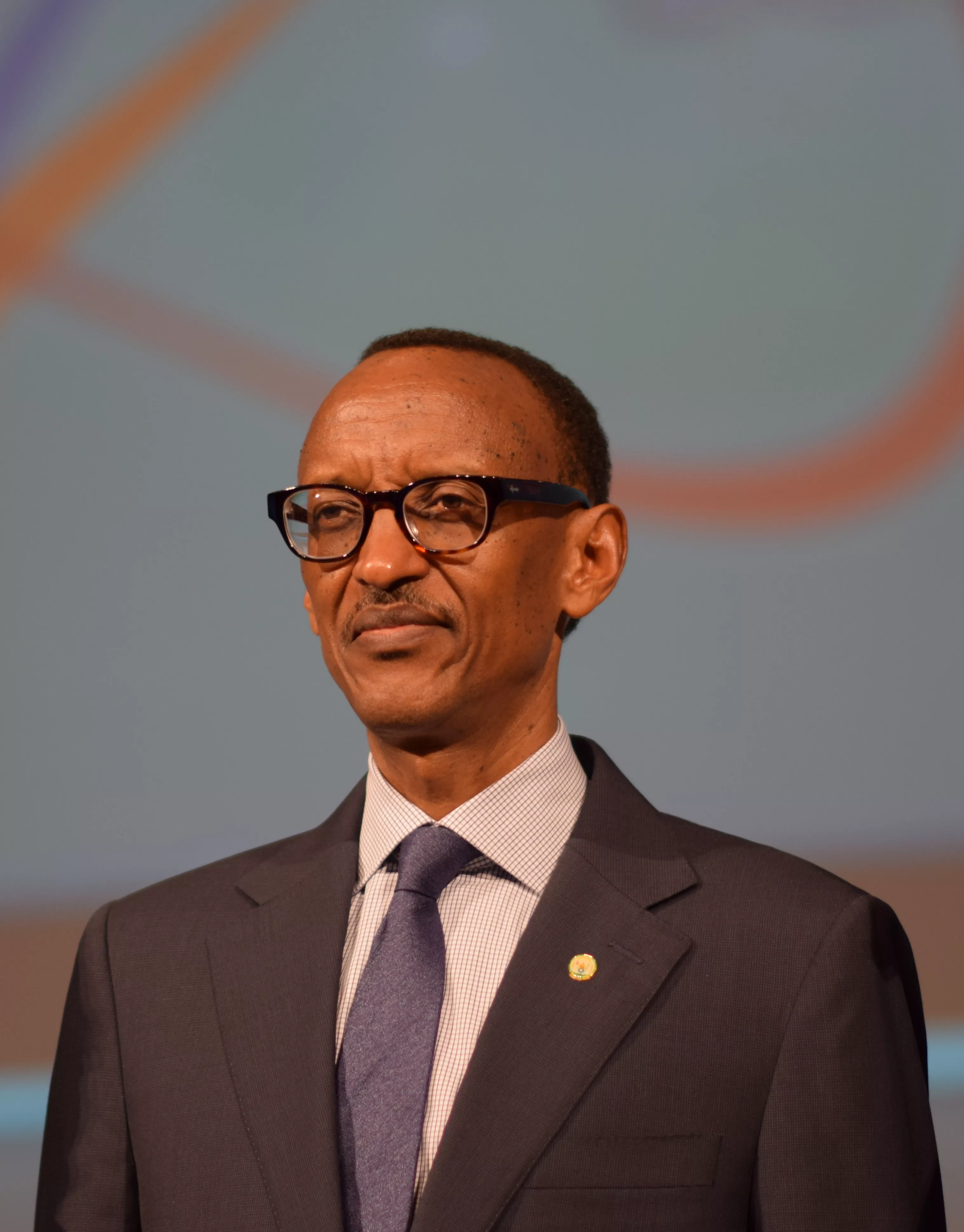
Rwanda would like a share of the Dangote refinery planned for Lamu in Kenya, President Paul Kagame has confirmed. Speaking in Kigali on Monday, he said contacts are real but early, and he committed his government to nothing.
What Kagame actually said
At a press conference in Kigali on Monday, 24 August, Kagame was asked about media reports that three East African countries had been offered a combined 30% stake in the refinery. He confirmed there had been contact, and stopped well short of a commitment.
“In a way, there has been. But it is too early to talk about the details because I think it is work in progress. Things are still being thought out,” he said, according to Rwanda’s New Times. “What I can say is that Rwanda would be very happy to be part of that kind of investment.”
He gave no stake size, no price and no timetable. For now, this is a statement of interest, not a deal.
What is actually on the table
Bloomberg reported on 21 August that the Dangote Group has offered Kenya, Ethiopia and Rwanda a combined 30% stake in the project. The source was David Ndii, an economic adviser to Kenyan President William Ruto, speaking at a capital markets forum in Nairobi.
Kenya’s own 10% share would cost about US$500 million, Ndii said. If all three countries take their full allocation, the regional contribution would total about US$1.5 billion.
Some early reports named Uganda as the third country rather than Ethiopia. Ndii’s account, which Bloomberg carried, names Ethiopia — and Uganda is in any case busy with its own refinery at Hoima and a separate energy hub with Tanzania.
An equity stake simply means buying a slice of ownership in the plant. Dangote has said he plans to fund the refinery with about 70% borrowed money and 30% ownership capital, which is where the regional governments would come in.
Why a landlocked country wants a refinery
Rwanda has no coastline and no oil of its own. That makes an ownership share in a coastal refinery an unusual move — and the logic is supply security, not resources.
East Africa refines almost none of its own fuel. Countries in the region import petrol and diesel at prices set far away, and every shock in shipping or currency markets lands directly at the pump.
Rwanda imports every litre it burns, mostly through ports in Kenya and Tanzania. A large refinery at Lamu would put a major source of fuel much closer to Kigali, and a stake would give Rwanda a voice in how the plant’s output is shared.
The Dangote refinery and the numbers around it
The Lamu plant is designed to process 700,000 barrels of crude oil a day. That would make it slightly larger than Dangote’s Lagos refinery in Nigeria, which runs at 650,000 barrels a day and already supplies Nigerian and foreign buyers.
Dangote recently cut the cost estimate for the refinery itself from about US$17 billion to roughly US$16 billion, citing lessons from Lagos. With petrochemical plants and port works included, Ndii puts the full project at close to US$20 billion.
Dangote said on 8 August that groundbreaking will happen by October, with completion in under four years. Ndii has suggested September is possible, though both dates depend on regulatory approvals.
The biggest open question is crude. Ndii points to more than 600,000 barrels a day of potential regional production — led by South Sudan, Uganda and Kenya — but no supply contracts for the refinery have been announced.
The regional politics underneath
Lamu was not the first choice on the table. Earlier this year President Ruto publicly presented Tanga, in Tanzania, as the site — without consulting Tanzania’s President Samia Suluhu Hassan, who objected publicly.
Dangote had initially considered Tanga before settling on Kenya, and Lamu was confirmed in July. Its deep-water port and its link to the LAPSSET transport corridor toward South Sudan and Ethiopia were the deciding factors.
Tanzania’s answer came on 6 August. Its state oil company and Uganda’s signed a memorandum with the trading house Vitol Bahrain for a Tanga energy hub worth more than US$20 billion, including a refinery of its own. East Africa now has two rival billion-dollar refinery plans, forty kilometres of politics apart.
What is missing
Neither the Dangote Group nor the Ethiopian government has commented on Kagame’s remarks. No Rwandan figure, large or small, has been attached to the idea.
There is no public financing structure, no named lenders and no crude supply plan for a 700,000 barrel-a-day plant. Where the oil would come from remains the largest unanswered question.
Until those pieces are visible, Kigali’s interest is exactly what Kagame said it is: real, early and uncommitted.
Frequently Asked Questions
Is Rwanda buying a stake in the Dangote refinery?
President Paul Kagame says Rwanda would be happy to take part and confirms there has been contact, but he describes the talks as work in progress. No stake size or financial commitment has been announced.
Which countries were offered a stake in the Lamu refinery?
Bloomberg reported that Kenya, Ethiopia and Rwanda were offered a combined 30% stake, citing Kenyan presidential adviser David Ndii. Kenya’s own 10% would cost about US$500 million, and the full regional package about US$1.5 billion.
How big would the Lamu refinery be?
It is designed for 700,000 barrels of crude oil a day, slightly larger than Dangote’s 650,000 barrel-a-day Lagos plant. The refinery alone is costed at about US$16 billion, and up to US$20 billion with petrochemicals and port works.
When would construction start?
Aliko Dangote says groundbreaking will happen by October, and some Kenyan officials have floated September. Construction is expected to take under four years once it begins.
Connected Coverage
Nairobi has already said Dangote offered it a tenth of the project, and the rivalry with Tanzania runs through the Lamu and Tanga port battle. The wider contest is mapped in Africa: The New Scramble, with more on our Eastern Africa desk.
This article was produced by The Rio Times’ automated newsroom system. How we use AI · Report an error · Editorial responsibility: Matthias Camenzind, Editor-in-Chief
LatAm Markets: Live Signals → — real-time movers, turnover leaders and FX across Latin America.