How Biofuels Drive Brazil’s Soy Surge Amidst Global Trade Shifts
In Brazil, biofuels are becoming a key driver of soybean cultivation, adapting to shifts in global demand, notably from China.
Previously, China’s insatiable appetite for soybeans spurred Brazil’s agricultural expansion.
Recently, however, China capped its soybean imports at 100 million tons, seeking to lessen its import reliance.
This pivot could dampen the explosive growth Brazil has seen in soy farming.
André Nassar, head of the Brazilian Vegetable Oil Industries Association (Abiove), underscores biofuels’ critical role.
Without this demand, Nassar argues, the recent expansion of soybean acreage—increasing annually by 1 million hectares—would falter.
Soybeans, a staple for biodiesel, are poised for sustained demand due to advancements in biofuel technology.
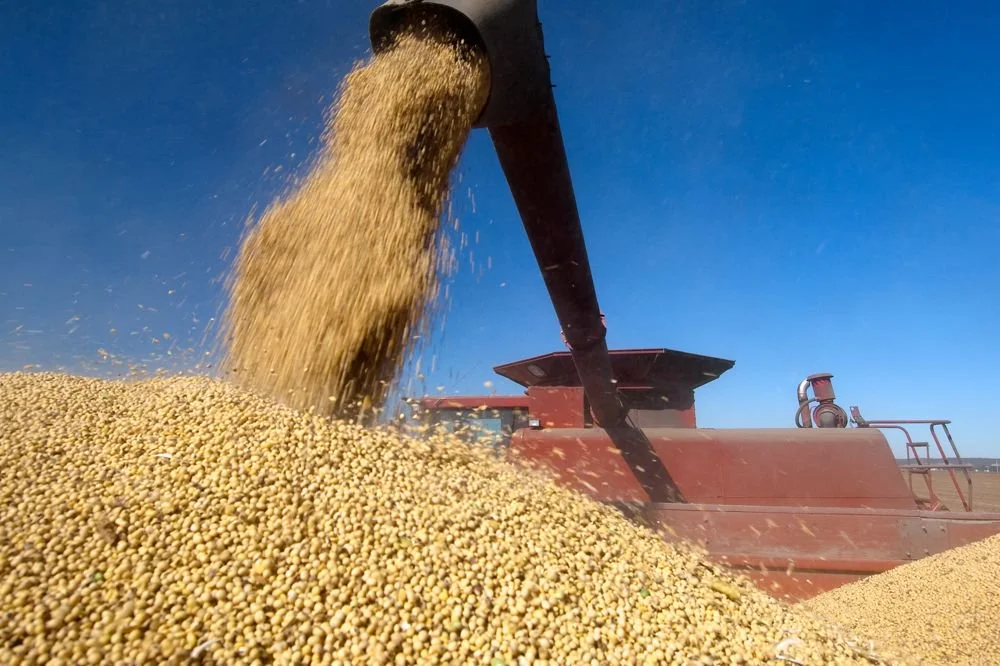
For 2024, forecasts show 6 million of Brazil’s projected 11 million tons of soy oil will fuel biodiesel production, up from a 12% to 14% blend.
An additional 3 million tons will meet domestic cooking oil needs, with the rest earmarked for exports or reserves.
Meanwhile, Brazil’s soy oil exports are set to decline from 2.4 million tons in 2023 to 1.1 million tons in 2024, thanks to growing biodiesel needs.
How Biofuels Drive Brazil’s Soy Surge Amidst Global Trade Shifts
Nassar also notes new market players in biodiesel production, including companies transitioning from other sectors.
This diversification hints at a robust future for Brazil’s biodiesel, especially with potential legislative support that could increase biodiesel blends to 25%.
Meeting this target would require doubling soy processing to 100 million tons, necessitating investments over 52 billion reais by 2035.
Despite slim profit margins, Nassar remains optimistic about Brazil’s agricultural prospects for the 2024/25 season.
With favorable weather, Brazil could potentially harvest 170 million tons of soybeans, up from 152 million this year.
Such production levels would significantly impact global markets, underscoring Brazil’s pivotal role as a top soybean exporter.
This evolving scenario illustrates the intricate dance between agricultural production, global trade dynamics, and the burgeoning biofuel industry, reflecting broader economic and environmental impacts.
More: Brazil news in English, every day from The Rio Times.
This article was produced by The Rio Times’ automated newsroom system. How we use AI · Report an error · Editorial responsibility: Matthias Camenzind, Editor-in-Chief