Guinea-Bissau Delays Elections by Two Years
Soldiers who took power a year ago have given themselves two more years, saying the country is not yet ready to run a credible vote.

GUINEA-BISSAU · POLITICS
Guinea-Bissau’s military ruler has pushed the country’s presidential and legislative elections back by two years. Transitional president Major General Horta Inta-a signed a decree on Thursday 26 November 2026 that moves the vote from Sunday 6 December 2026 to Sunday 26 November 2028.
The decree is dated exactly one year after soldiers seized power in the small West African country. It blames a lack of technical, material and financial conditions for the delay.
Key Facts
- Who. Major General Horta Inta-a, head of the military-led transitional government.
- What. Presidential and legislative elections moved from 6 December 2026 to 26 November 2028.
- When. Decree signed Thursday 26 November 2026, one year after the coup.
- Prediction markets. Polymarket bets: candidate Dias da Costa 9.1%, ousted Embaló 4.7%; not polls; 26 Nov, 11:56 p.m. ET.
- As of. 27 November 2026, 05:00 GMT.
Soldiers who took power a year ago have given themselves two more years, saying the country is not yet ready to run a credible vote.
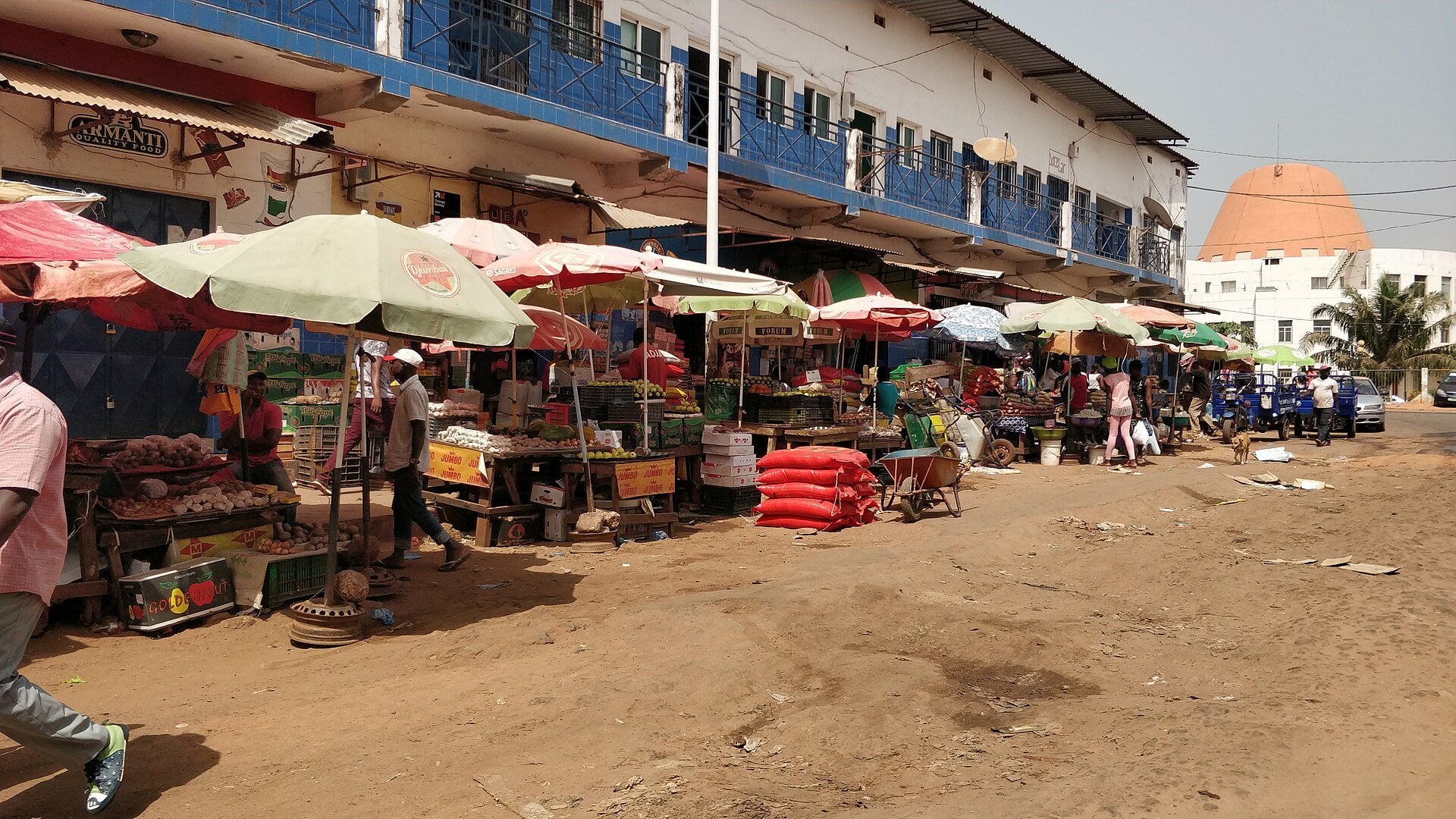
The Interior Ministry said on 26 November 2026 that party meetings and congresses are allowed with prior notice, but marches, demonstrations and party rallies stay banned. It warned that police may step in if parties break the rules.
The text is Presidential Decree no. 35/2026, published by the Presidency’s communication office. It cancels Presidential Decree no. 02/2026 of 21 January 2026, which had set the December date.
The decree says the country lacks enough technical, material and financial conditions for a vote. It adds that voting without every legal, technical and operational requirement could damage the regularity, transparency and credibility of the process.
The decree also asks for a fresh review of the electoral calendar with the competent institutions. It calls as well for the country’s first local elections, which the Transition Charter, the junta’s temporary rulebook, foresees.
Soldiers seized power on Wednesday 26 November 2025, three days after presidential and legislative elections held on Sunday 23 November 2025. The coup came a day before results were due and removed President Umaro Sissoco Embaló, who was seeking a new term.
The High Military Command, the junta of senior officers, named Inta-a transitional head, and he was sworn in on 27 November 2025 for a one-year transition. The Transition Charter published in early December 2025 bars him from running in the vote, and a National Transition Council created by the military replaced parliament.
The date now scrapped came from Inta-a’s own decree of 21 January 2026, two months after the coup. Our report of 26 November 2026 noted that, on the anniversary itself, no election date had been announced.
In August 2026 voters approved a constitutional change that gives the president more powers. In October 2026 Prime Minister Ilídio Vieira Té, the head of the transitional government’s ministers, said the conditions for a December vote were not in place and gave no new timeline.
ECOWAS, the Economic Community of West African States, called in January 2026 for a “short, structured and transparent transition” back to civilian rule. We found no reaction from ECOWAS, the African Union, the opposition or the National Election Commission, the body that runs elections, as of Friday morning.
Nothing published so far says who governs, and under what mandate, between the end of the one-year transition and November 2028. It is also unclear whether the one-year limit in the Transition Charter has been formally changed.
The decree gives no date for the local elections it mentions. The only fixed date is Sunday 26 November 2028.
Guinea-Bissau has about 2.2 million people and has seen coups and attempted coups since independence from Portugal more than 50 years ago. Experts link its political crises to its role as a hub for drug trafficking between Latin America and Europe.
For readers abroad, the delay means officers, not an elected government, will hold power for two more years in a country seen as a drug-trafficking hub between Latin America and Europe. The transition began with the promise of a vote within about a year, as our guide to the election and our country explainer show.
Frequently Asked Questions
Why were the elections delayed?
The decree says the country lacks enough technical, material and financial means to hold a credible vote. The decree itself says a rushed vote could undermine trust in the result.
Is Inta-a allowed to run in 2028?
The Transition Charter bars him from running in the vote. Whether that rule survives the delay has not been stated.
Who runs Guinea-Bissau until then?
Inta-a remains transitional president at the head of the military-led government. The legal basis for the extra time has not been explained.
Related coverage: Guinea-Bissau Elections Explained
More: Guinea-Bissau news
Sources
Presidential Decree no. 35/2026 of 26 November 2026, published by the Presidency’s communication office; Presidential Decree no. 02/2026 of 21 January 2026, as cited in Decree no. 35/2026
This article was produced by The Rio Times’ automated AI newsroom. Editorial responsibility: Matthias Camenzind, Publisher and Editor-in-Chief. The Rio Times also runs Ask Rio Times, which answers from 100,000+ of our own articles, the daily Latin America Power Map, and prediction-market odds on elections and markets.. How we use AI · Report an error