Portuguese-Speaking Central Banks Link Up
Eight central banks have made their cooperation permanent, with technical working groups and a rotating chair. The agreement sets up talks and shared expertise.

Economy: Brazil and Africa
Central banks of eight Portuguese-speaking countries signed a memorandum in Luanda, Angola, on Wednesday 4 November 2026 that makes their cooperation permanent. Brazil’s central bank, the Banco Central do Brasil, is one of the eight.
The group is the Rede dos Bancos Centrais dos Países de Língua Portuguesa, or Rede BCPLP, the Network of Central Banks of Portuguese-Speaking Countries. Banco de Portugal, Portugal’s central bank, takes the first rotating chair.
Key Facts
- Who. Eight Portuguese-speaking states; Guinea-Bissau sits through the regional West African central bank, the BCEAO.
- What. A memorandum signed in Luanda on 4 November 2026 makes their cooperation permanent.
- Next. Governors meet again in April 2027, at the International Monetary Fund’s spring meetings.
- Scope. Dialogue and technical cooperation; no document mentions a common currency.
- As of. 26 November 2026, 07:00 GMT
Eight central banks have made their cooperation permanent, with technical working groups and a rotating chair. The agreement sets up talks and shared expertise.
The BCEAO, the shared central bank of eight West African states, described the Luanda session as the 13th meeting of governors of Portuguese-speaking central banks. It held the meeting at the EPIC SANA Hotel and said a memorandum creating the network was signed afterwards.
The BCEAO’s release says the memorandum creates “a permanent framework for consultation and partnership” (translated from French) between the member institutions. The release does not list who signed for each bank.
The idea dates from Washington, where governors and presidents agreed on 14 April 2026, on the sidelines of the International Monetary Fund (IMF) and World Bank Spring Meetings, their yearly April gatherings, to set it up. Their joint communiqué called the network “a fundamental step” (translated from French) towards stronger strategic cooperation among Portuguese-speaking countries.
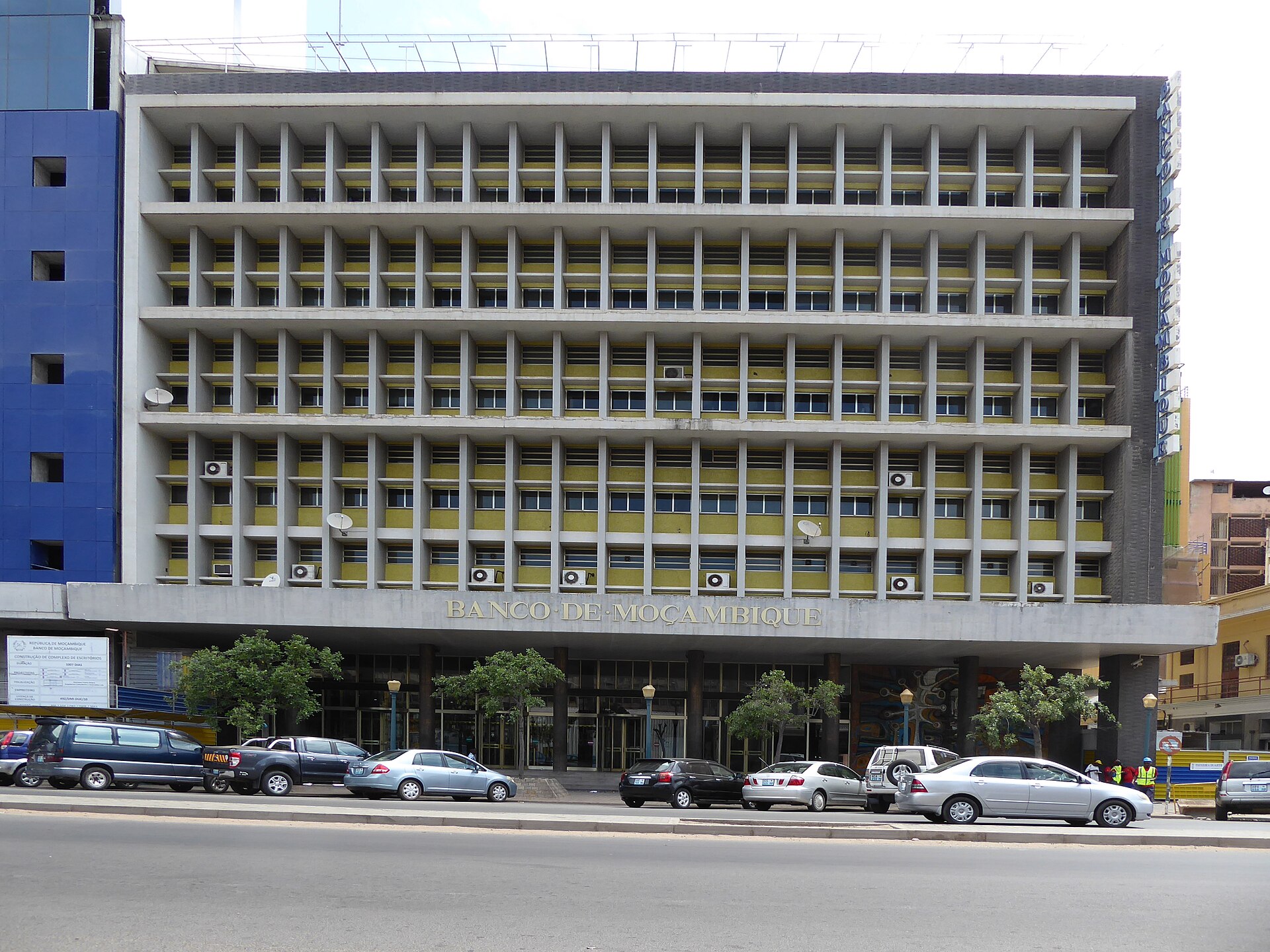
The April communiqué names the central banks of Angola, Brazil, Cabo Verde, Mozambique, Portugal, São Tomé and Príncipe and Timor-Leste as members, and the BCEAO represents Guinea-Bissau. Guinea-Bissau has no central bank of its own, because the BCEAO issues the money of its eight member states.
The communiqué says the network gives structure and permanence to joint work that already existed. The BCEAO release speaks of consultation and partnership, not of a common policy.
Under the April plan, the chair rotates every year, and each bank brings topics of common interest to the agenda. Banco de Portugal holds the first chair during 2027, with regular high-level meetings and technical working groups in between.
A separate economic policy committee is to discuss policies that matter to all the member economies. The BCEAO says the governors in Luanda approved the mandates of that committee and of the working groups.
The five areas are payments, financial education and inclusion, crisis management and bank resolution, external statistics, and cybersecurity with artificial intelligence. Bank resolution means the orderly handling of a failing bank.
The BCEAO releases describe a forum for talks and shared know-how. They mention no shared currency, pooled reserves or power to supervise one another’s banks.
For readers in the United States, the members include Brazil and two energy producers, Angola and Mozambique. Both Angola and Mozambique export oil or natural gas, so their central banks matter to US energy investors.
Banks that agree on payment systems, cyber defence and bank-failure rules can make cross-border business between these markets simpler over time. That would affect lenders and investors who deal with Mozambique’s central bank or with the Banco Central do Brasil.
The governors meet again in April 2027, on the sidelines of the Spring Meetings, which the IMF holds in Washington. The texts do not say who will lead each working group or how the network will be funded.
Frequently Asked Questions
Is the Rede BCPLP a currency union?
No document describes one. The texts speak of dialogue, technical cooperation and common positions.
Which countries are in the network?
Angola, Brazil, Cabo Verde, Guinea-Bissau, Mozambique, Portugal, São Tomé and Príncipe and Timor-Leste. Guinea-Bissau takes part through the BCEAO.
When was it founded?
The banks agreed to create it in Washington in April 2026. The memorandum that makes it permanent was signed in Luanda in November.
More: Brazil news
Sources
Joint communiqué of the governors and presidents of the Portuguese-speaking central banks, Washington, 14 April 2026 (https://www.bcstp.st/Upload/New_DOC/Comunicado_Criacao_Rede_BCPLP.pdf); BCEAO release on the 13th meeting of governors in Luanda, 4 November 2026 (https://www.bceao.int/fr/content/cooperation-entre-banques-centrales-des-pays-de-langue-portugaise-le-gouverneur-de-la-bceao).
This article was produced by The Rio Times’ automated AI newsroom. Editorial responsibility: Matthias Camenzind, Publisher and Editor-in-Chief. The Rio Times also runs Ask Rio Times, which answers from 100,000+ of our own articles, the daily Latin America Power Map, and prediction-market odds on elections and markets.. How we use AI · Report an error