Ecuador Faces High-Stakes Presidential Runoff on April 13
Ecuador will hold a pivotal presidential runoff on April 13, 2025, after neither candidate secured a majority in the February 9 election. Conservative incumbent Daniel Noboa, with 44.43% of the vote, and leftist lawyer Luisa González, at 44.17%, emerged as the top contenders in a polarized nation grappling with rising violence, economic stagnation, and political tensions.
Ecuador’s security crisis dominates the election. Violence has surged as the country became a cocaine trafficking hub, with January 2025 recording 750 homicides. Economic struggles compound these challenges, with GDP growth projected at just 0.3% for 2024 and widespread unemployment fueling public frustration.
These issues have shaped the campaigns of both candidates, who offer starkly different visions for Ecuador’s future. Noboa, 37, assumed office in 2023 after winning a snap election triggered by his predecessor dissolving the National Assembly.
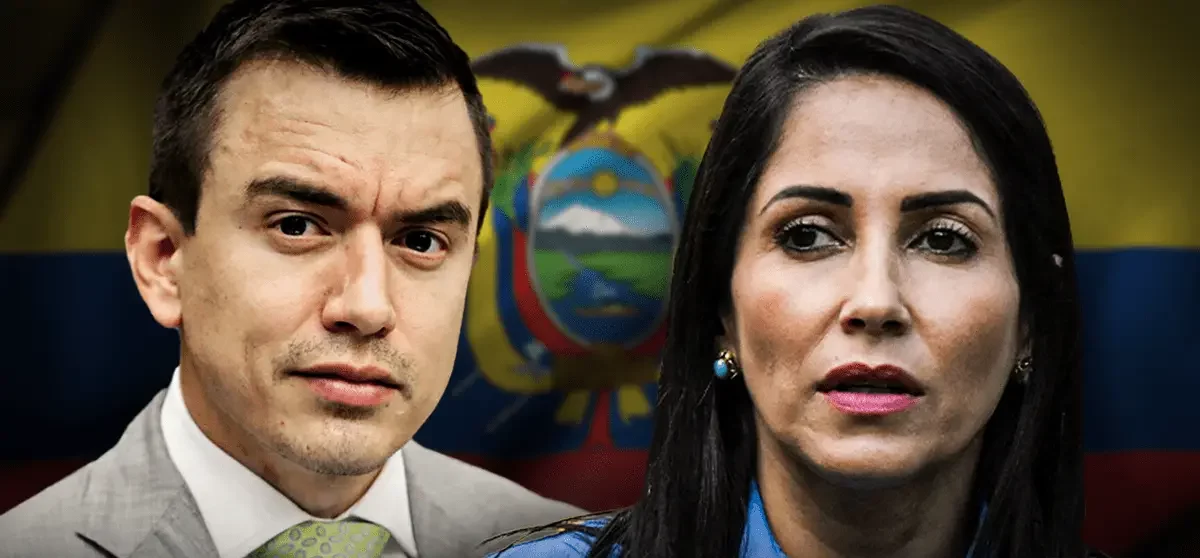
As Ecuador’s youngest president, he has focused on combating organized crime through military deployments and states of emergency. His administration reports a 15% drop in homicides and major arrests of gang leaders.
However, critics argue his policies have not addressed systemic issues like judicial corruption and have raised human rights concerns.
Ecuador Faces High-Stakes Presidential Runoff on April 13
González, 47, represents the leftist Citizen Revolution Movement and is closely aligned with former President Rafael Correa. She has pledged to restore social programs from Correa’s tenure while addressing crime through institutional reforms and economic investment.
Her campaign appeals to voters frustrated by economic hardship but faces skepticism due to her ties to Correa’s controversial legacy.
Foreign policy has also shaped this election. Noboa’s administration leaned heavily on U.S. support but faced backlash after Ecuadorian authorities arrested Jorge Glas, a former vice president and ally of Correa, inside the Mexican Embassy in Quito.
Glas claimed political persecution over corruption charges, leading to a legal dispute at the International Court of Justice (ICC) in The Hague. Diplomatic relations with Mexico, Venezuela, and Nicaragua were severed as tensions escalated.
This runoff will determine whether Ecuador continues Noboa’s security-focused policies or shifts to González’s vision of reform. Both candidates face the challenge of uniting a divided electorate while addressing pressing security and economic issues in a nation at a crossroads.
More: Ecuador news in English, every day from The Rio Times.
This article was produced by The Rio Times’ automated newsroom system. How we use AI · Report an error · Editorial responsibility: Matthias Camenzind, Editor-in-Chief