China Protests Panama’s Exit From Belt and Road, Citing U.S. Influence
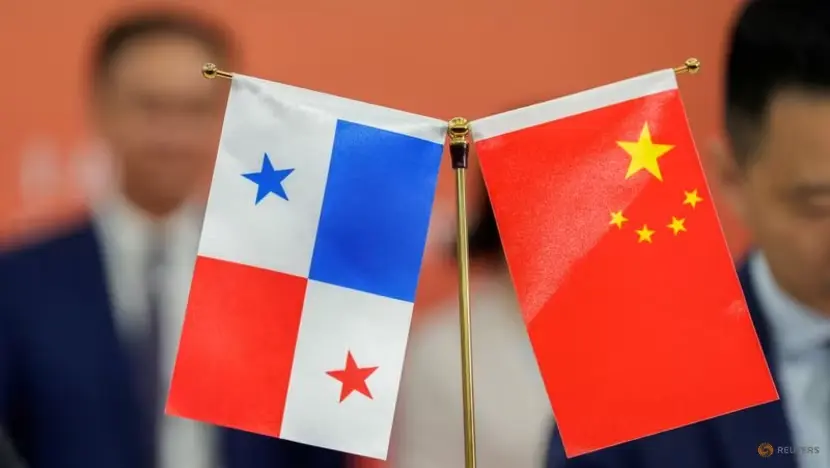
China has sharply criticized Panama’s decision to withdraw from the Belt and Road Initiative (BRI). This move signals heightened geopolitical tensions in Latin America.
Assistant Foreign Minister Zhao Zhiyuan summoned Panama’s ambassador to formally protest the move. He expressed “deep regret” and emphasized the benefits Panama had gained from its partnership with China since joining the BRI in 2017.
The BRI, a global infrastructure initiative led by China, has funded projects like the Amador Cruise Terminal in Panama. It aims to strengthen trade and economic ties.
However, Panama recently announced it would not renew its agreement with China, citing concerns about the initiative’s limited benefits for its national interests.
President José Raúl Mulino stated that the decision was made independently but acknowledged external factors influencing the choice. The United States played a significant role in this development.
U.S. Secretary of State Marco Rubio visited Panama shortly before the announcement, urging the country to reduce Chinese influence over the Panama Canal, a critical global trade route handling 6% of maritime commerce.
Rubio framed Chinese investments in Panamanian ports as a threat to U.S. security. He also pushed for stronger bilateral ties between Washington and Panama.
China accused the U.S. of using “pressure and threats” to undermine its relations with Panama, marking this as a setback for its flagship initiative. Panama’s withdrawal could signal a shift in Latin America’s approach to Chinese investments.
This change may potentially impact future infrastructure projects and regional alliances.. This decision highlights growing competition between global powers for influence in strategically important regions.
More: Latin America news in English, every day from The Rio Times.
This article was produced by The Rio Times’ automated newsroom system. How we use AI · Report an error · Editorial responsibility: Matthias Camenzind, Editor-in-Chief