Dominican Police Deny Kill Order After 55 Deaths

DOMINICAN REPUBLIC · SECURITY
Key Facts
- —The country The Dominican Republic shares the Caribbean island of Hispaniola with Haiti and its beach resorts draw large numbers of US visitors.
- —What happened Police spokesman Colonel Diego Pesqueira said neither the police nor the government has a guideline to kill wanted suspects (Diario Libre, Tuesday 6 October).
- —The numbers Of 125 homicides the National Police reported for September, 55, or 44%, were deaths in alleged exchanges of gunfire with officers.
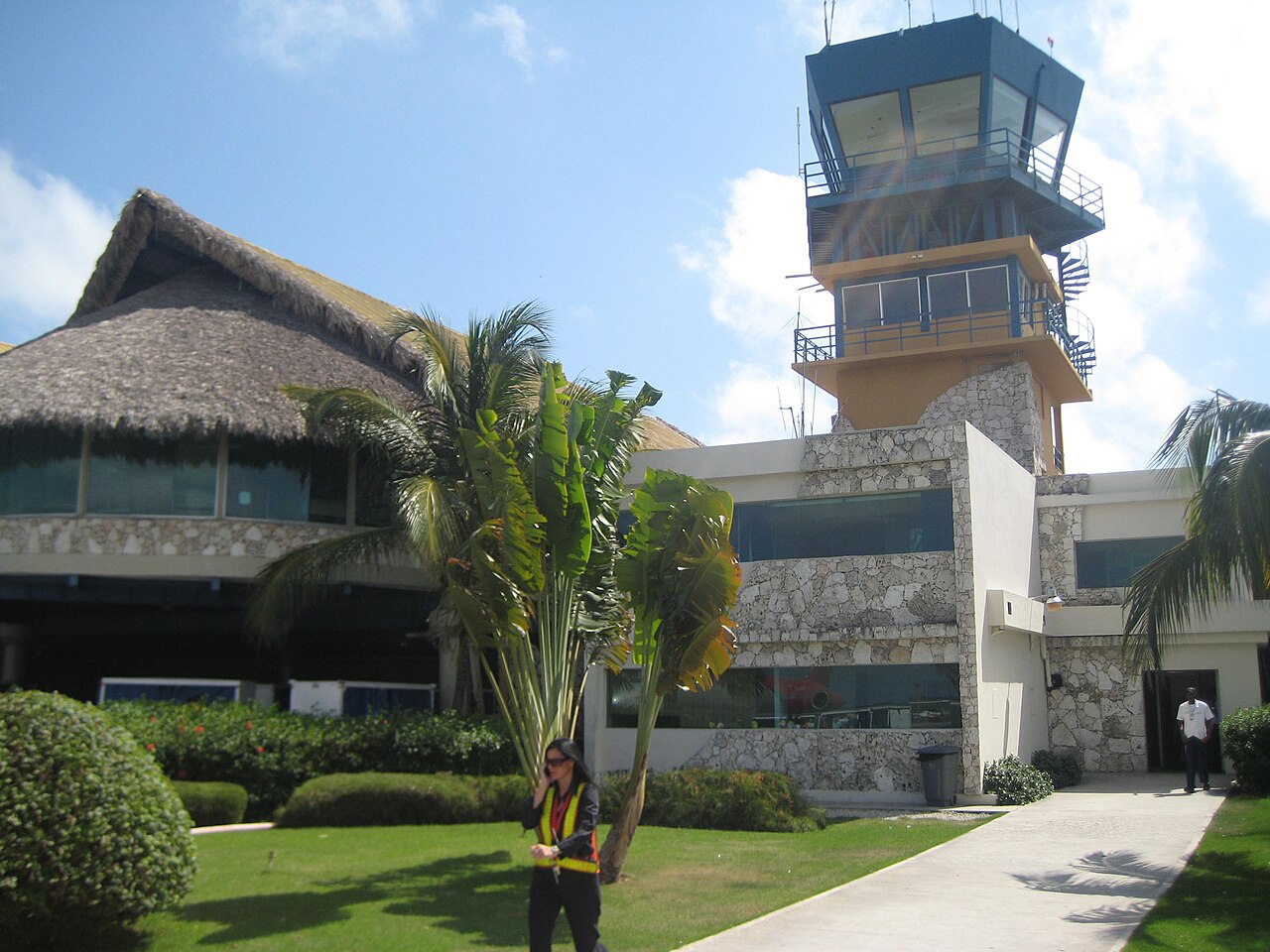
- —Why it matters to Americans The deaths occurred across the country, including Verón-Punta Cana, the eastern resort area popular with US visitors.
- —The trend Homicides rose 34.4% from September 2025 while robberies fell 38.6%. The January to September homicide rate was 7.35 per 100,000 people.
- —Still open Whether prosecutors will investigate any of the September deaths, and whether the pace continues in October.
Dominican police deny that officers have orders to kill wanted suspects, after 55 people died in alleged shootouts with officers in September. That was 44% of the 125 homicides recorded in the Caribbean country last month.
The denial matters to American visitors and to the large Dominican community in the United States. Deaths were recorded from Verón-Punta Cana, the eastern resort area, to the Haitian border.
What the Police Spokesman Said
Colonel Diego Pesqueira is the spokesman of the National Police, the country’s main police force. “Neither the National Police nor the government has a guideline to that effect,” he said in remarks reported by Diario Libre.
He was asked about criticism of putting people “en 29”, slang for the deaths of young people in alleged shootouts with officers. Several organisations have questioned the practice, Diario Libre noted.
Pesqueira said more than 120 people wanted on arrest warrants had turned themselves in since September, many through the police press office. All were placed before the justice system, he said.
Officers use “a proportional use of force” against suspects who resist arrest with weapons, Pesqueira added. Any case that raises doubts goes to the Public Prosecutor’s Office, which investigates crimes in the Dominican Republic.
What the September Figures Show
The National Police counted 125 homicides in September, 34.4% more than in September 2025, in figures released on Monday 5 October. Of these, 55 were deaths in alleged shootouts with officers, which police classify as “legal action”.
Another 42 killings grew out of personal disputes, which police classify as social conflicts. Dominican police said those killed by officers were allegedly linked to crime and wanted on arrest warrants.
The deaths spread over at least 12 provinces and the capital district, from La Altagracia in the far east to Dajabón on the Haitian border. The same report lists 1,476 arrest warrants executed and 448 firearms seized in September.
On Tuesday 6 October, Dominican police said Estarlin Emilio Rodríguez Ramos died after allegedly firing at detectives in Sabana Iglesia, Santiago province. He was the second man killed in an alleged shootout with police in Santiago in under 24 hours, Diario Libre reported.
Why the Deaths Are Disputed
The police version of these deaths is contested. Legal groups have already demanded independent investigations of Dominican police killings.
At the president’s weekly press conference in late September, police director Major General Ernesto Rodríguez García spoke of a list of suspected repeat offenders. He said the force aims to find them before they offend again.
President Luis Abinader, of the social-democratic Modern Revolutionary Party (PRM), used the same press conference to warn wanted criminals to surrender. Pesqueira cited more than 120 surrenders since September to back his denial.
What It Means for You
The US State Department rates the Dominican Republic at Level 2, “exercise increased caution”, on a scale of 1 to 4. Its travel advisory warns that violent crime is a concern “despite more police presence in areas often visited by tourists.”
Dominican police describe those killed in September as suspects wanted on arrest warrants. For travellers, the more relevant figure is street crime: robberies fell 38.6% from September 2025 to 4,214 cases.
Homicides from January to September were 5.8% below the same period of 2025, even though September alone was up 34.4%. The police put the homicide rate for the first nine months at 7.35 per 100,000 people, down 15.9% from a year earlier.
What Is Not Known
It is not known whether prosecutors have opened inquiries into any of the 55 September deaths. It is also not known who is on the police list of suspected repeat offenders.
Dominican police shared the September breakdown in a press note and later withdrew it, Diario Libre reported. Why it did so is not known.
It is also unclear whether the pace will continue in October. The body of the man killed in Sabana Iglesia was sent to the National Institute of Forensic Sciences for an autopsy.
More: Dominican Republic news in English, every day from The Rio Times.
Frequently Asked Questions
What does “en 29” mean in the Dominican Republic?
It is slang for the death of a suspect, usually a young person, in what police call an exchange of gunfire. Several organisations have questioned the practice, and the police deny any order behind it.
How many people did Dominican police kill in September 2026?
Dominican police figures reported by Diario Libre show 55 deaths in alleged shootouts with officers in September. That was 44% of the 125 homicides recorded that month.
Is the Dominican Republic safe for American tourists?
The US State Department keeps the country at Level 2, exercise increased caution, citing violent crime. In September, robberies fell 38.6% from a year earlier while homicides rose 34.4%, and police describe those killed by officers as wanted suspects.
Sources: US State Department travel advisory, 12 June 2025; Diario Libre (police spokesman), 6 October 2026; Diario Libre (September figures), 5 October 2026; Proceso (police September report), 5 October 2026; Diario Libre (Santiago death), 6 October 2026.
Editorial responsibility: Matthias Camenzind, Editor-in-Chief · Editorial standards · Report an error