Croquette was born in France, became a Spanish icon, and now dominates Brazilian bars
By Gisele Rech
If there is one snack that is the face of Spain is the croqueta.
Brazil, Portugal, and even Germany have a version of the delicacy.
Yet, in the Iberian Peninsula, the preparation occupies a place of honor.
Perhaps because of the natural vocation to eat with the hands, which is typical of the tapas culture, is intrinsic to the Spanish way of life.

When well made, it has a crunchy shell on the outside, the result of well-done breading and correct frying, and a soft filling with touches of ingredients such as jamón, the emblematic Spanish cured ham.
Democratic, they can be found in the windows of traditional Iberian cafeterias, on the tables of tapas bars, or in, let’s say, more refined places, such as restaurants awarded with Michelin stars.
The curious fact is that the delicacy, which has become so popular in Spain, has its roots in France.
According to writer and gastronomy researcher Miguel Ángel Almodóvar, there have been similar snacks since the Roman Empire, with minced meat and flour mixtures.
French cuisine’s great contribution is using béchamel sauce to bind the filling and the breadcrumbs to finish before frying”, he explains.
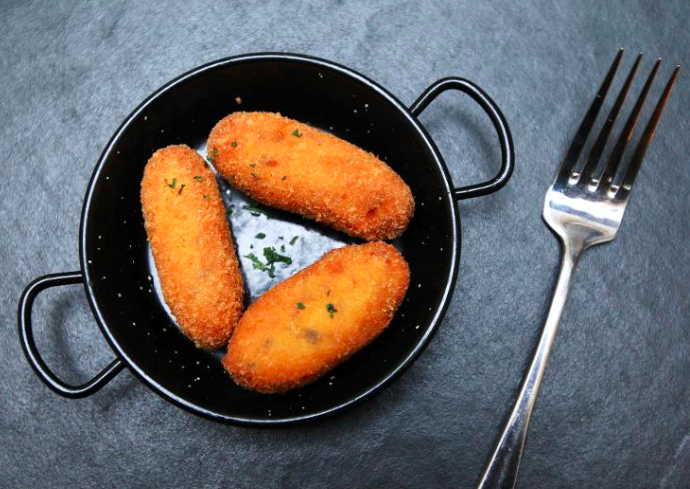
That’s where the name croquette came from, coming from the French croquer, which means, in a free translation, to chew or to swallow by making a sound or noise, something typical of crispy preparations, as the authentic croqueta should be.
According to Almodóvar, the French croquettes arrived in Spain during the so-called Napoleonic wars in the 1800s.
They were adapted, of course, using leftovers from one of Spain’s most symbolic and delicious dishes, the cocido in the local language.
Then, as with many recipes, they found variations, like the version that contains, for example, jamón ibérico.
“In Spain, they make croquetas from everything, originally from what is left over from other preparations. There is also a relationship with local ingredients, which can be beef, seafood, or vegetables, depending on the region,” adds Almodóvar.
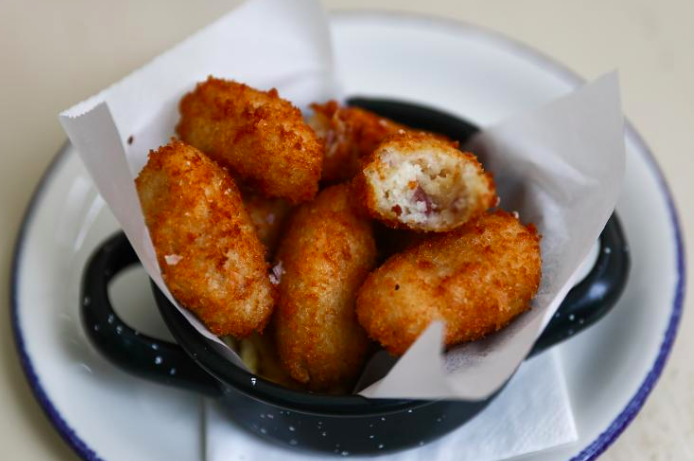
In the writings of the emblematic Emilia Pardo Bazán, author of” La cocina española antigua y La cocina española moderna”, Amodóvar reinforces the appropriation and evolution of the dish.
By acclimatizing in Spain, the croqueta gained a lot.
The French croquette is huge, big, and dull.
In Spain, when well made, they fall apart in the mouth, soft and smooth.
Want to order more?
IN BRAZIL, BAR FOOD
Given its popularity, it is not surprising that the authentically Spanish croqueta has broken barriers and made itself present as a snack in many bars in Brazil, whether run by Brazilians or Spaniards.
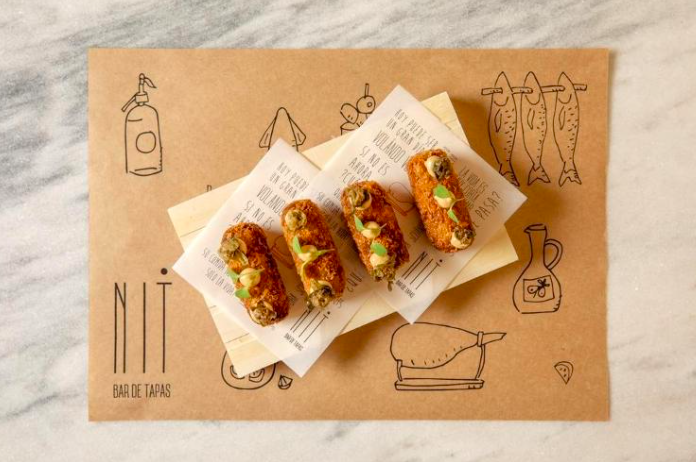
At Nit, the tapas bar owned by the Catalan chef Oscar Bosch, the success of the snack is measured; it is worth remembering by a croquetometer, a digital panel where each croqueta consumed is duly computed.
After four years in the bar, the count is already at no less than 37,000 units sold.
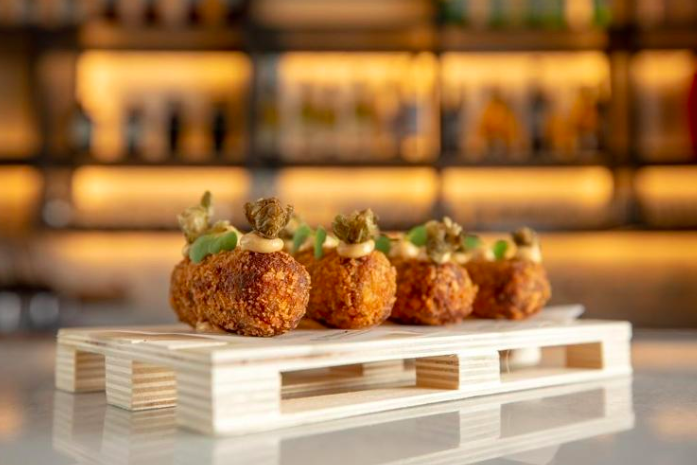
The snack is served in three versions.
The jamón with chicken is accompanied by mustard mayonnaise and lemon zest.
The buey tail is served with tonatta emulsion and fried capers.
And there is also funghi and truffle to please those who do not eat animal protein.
It is a fried food that goes well with everything: beer, wine, as an appetizer before a meal.
And it is democratic: it can be prepared with any flavor, pork, beef, or seafood.
A really versatile preparation”, concludes the chef.
CONTEST STAR
The success of the croquetas in Spanish lands is so great that, ten years ago, a contest was created to choose the best croquetas.
The contest is held, year after year, during the Madrid Fusión congress, which, this year, took place at the end of January.
The current champion is Chef Juan Monteagudo, from the Ababol restaurant in Albacete, Catilla-La Mancha region.
He left seven competitors behind in the appreciation of the jury, formed by experts in the art of making – and eating – croquettes.
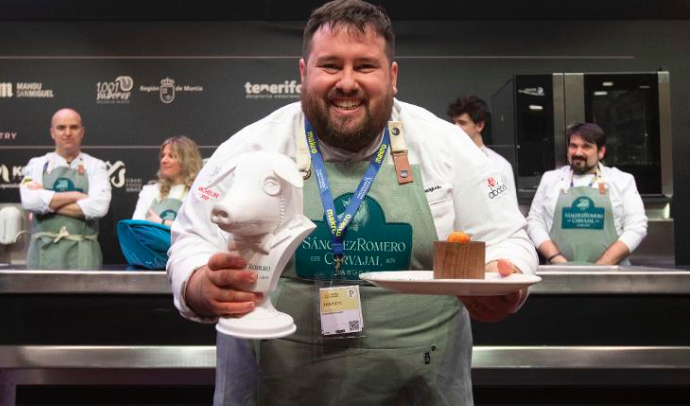
At the beginning of the contest, something like 50 recipes were entered.
“We took extra care with the bechamel, which is very creamy, with fresh sheep and cow’s milk. We also took great care to preserve the essence of the jamón,” says the champion.
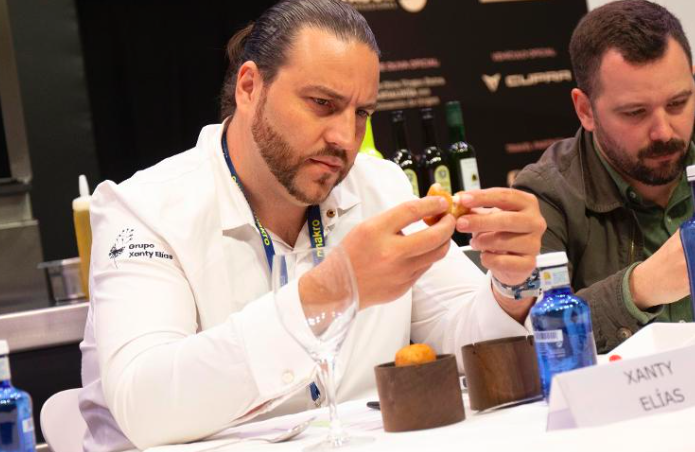
Chef Xanty Eliás, one of the jury members, says that besides the outstanding flavor, which is usually a consequence of using good ingredients, there are some important details for the preparation to be worthy of the award.
The bechamel has to be well done to leave the filling with the right creaminess and the shell around it has to be crispy and dry, which is achieved with good frying,” he teaches.
With information from UOL
This article was produced by The Rio Times’ automated newsroom system. How we use AI · Report an error
Read More from The Rio Times