Cristina Kirchner’s Historic Conviction in Argentina: What Happened and Why It Matters
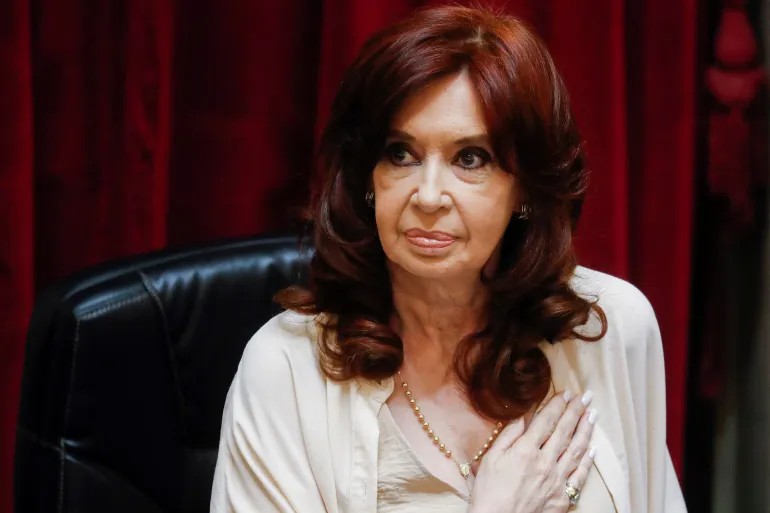
(Analysis) Cristina Fernández de Kirchner, former President and Vice President of Argentina, was definitively sentenced to six years in prison and banned for life from holding public office.
This final ruling was delivered by Argentina’s Supreme Court, which unanimously rejected all appeals from Kirchner’s defense. The conviction stems from a major corruption case known as the “Vialidad” case, which investigated fraudulent management of public works contracts during her presidency (2007–2015).
The court found that Kirchner, along with other officials, illegally favored the construction businessman Lázaro Báez in 51 roadwork contracts in the province of Santa Cruz.
These contracts were systematically awarded with overpricing and irregularities, causing an estimated loss to the state of over 84 billion Argentine pesos (about $70 million at the time of the investigation). Báez, a close associate of the Kirchner family, was also convicted in the case.
Due to her age (72), Kirchner is expected to serve her sentence under house arrest, a provision allowed by Argentine law for those over 70. She has a short window to present herself to authorities; otherwise, she could be forcibly detained.
The court also ordered the confiscation of the embezzled funds, marking one of the largest restitution orders in Argentine history.
Political and Social Impact
This ruling is unprecedented in Argentina’s modern democracy. Only one other former president, Carlos Menem, was previously convicted for corruption.
The decision effectively ends Kirchner’s political career, barring her from running for office, including in the upcoming legislative elections where her party had planned to nominate her.
The verdict has deeply divided Argentine society and its political class. Supporters of Kirchner, including powerful unions and social organizations, denounced the ruling as a political persecution and staged protests in Buenos Aires.
Kirchner herself called the Supreme Court judges a “triumvirate of the unpresentable” and claimed the decision was orchestrated to block the popular vote and influence the electoral calendar.
On the other side, President Javier Milei and government officials celebrated the ruling as a victory for justice and the rule of law, reinforcing their anti-corruption stance. The sentence is seen as a blow to the Peronist movement and may force it to seek new leadership.
How the Supreme Court Decided
The Supreme Court’s decision was based on several points:
- The lower courts’ verdicts were supported by substantial evidence.
- Kirchner’s defense arguments regarding judicial impartiality, procedural violations, and lack of due process were rejected.
- The court used Article 280 of the Civil and Commercial Procedural Code, allowing it to dismiss extraordinary appeals without detailed explanation if they lack sufficient federal or institutional importance.
- The conviction for fraudulent administration was upheld, while charges of illicit association were dismissed.
Why This Case Matters
This case is crucial for several reasons:
- Rule of Law: It demonstrates that even top political figures can be held accountable for corruption, which is vital for strengthening democratic institutions.
- Political Consequences: The ruling reshapes Argentina’s political landscape, removing a central figure from the opposition and forcing the Peronist party to reorganize.
- Economic Impact: The case highlights the enormous cost of corruption to the public. The loss of over 84 billion pesos represents funds that could have been used for essential services or infrastructure.
- Regional Relevance: The conviction of a former president for corruption is rare in Latin America, a region often criticized for impunity among elites.
Why You Should Know This
Understanding this case helps explain the current political tensions in Argentina and the broader challenges of fighting corruption in Latin America.
It shows the importance of independent judicial systems and the risks when political leaders abuse public resources. The outcome also signals to other countries that public officials, regardless of their status, can be prosecuted and sentenced for corruption.
More: Argentina news in English, every day from The Rio Times.
This article was produced by The Rio Times’ automated newsroom system. How we use AI · Report an error · Editorial responsibility: Matthias Camenzind, Editor-in-Chief