U.S. Sanctions Expose Cristina Kirchner’s Corruption Legacy
The U.S. State Department announced sanctions on March 21, 2025, barring former Argentine President Cristina Kirchner from entering the country.
Secretary of State Marco Rubio accuses her of stealing millions through bribery schemes tied to public works contracts. This move also targets her children, Máximo and Florencia, and ex-minister Julio De Vido.
Kirchner’s troubles deepened after her 2022 conviction in Argentina’s Vialidad case, earning her a six-year prison sentence. Courts found she funneled 51 contracts worth over $1 billion to businessman Lázaro Báez during her 2007-2015 presidency.
Prosecutors now seek a 12-year term, citing her leadership in a broader corruption network. Her actions crippled Argentina’s economy, pushing inflation near 50% by 2018 and poverty above 40% by 2023.
In addition, she oversaw a system where firms paid millions in bribes, often leaving projects unfinished. The “Cuadernos” scandal exposed cash-stuffed bags changing hands, with one official caught hiding $9 million.
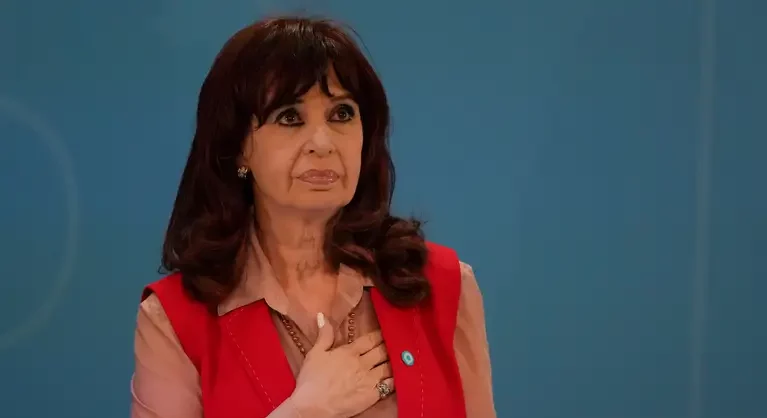
Kirchner’s family wealth surged through questionable real estate deals, like Los Sauces and Hotesur, sparking money laundering probes. She ruled alongside her late husband Néstor from 2003, turning Santa Cruz into a hub of ghost projects.
Her policies scared off investors, devalued the peso, and edged Argentina toward default.
The U.S. cites Section 7031(c), targeting officials with credible corruption evidence, as the basis for these sanctions.
Argentina’s Corruption Crisis
Rubio’s statement stresses accountability for those exploiting public office for personal gain. This aligns with Argentina’s current leader, Javier Milei, who vows to dismantle Kirchner’s influence.
Kirchner calls it “lawfare,” claiming political foes and courts conspire against her, yet evidence mounts steadily. Testimonies from ex-allies, like José López, detail a kleptocracy that drained state coffers.
Her ties to Venezuela and Iran, plus the AMIA bombing cover-up allegations, hurt Argentina’s global reputation. The $1 billion from Vialidad could have rebuilt schools or roads, but it enriched a select few instead.
Her appeal delays prison, though the upheld 2024 ruling tightens the noose. Businesses watching Argentina see her era as a cautionary tale of corruption’s cost.
Kirchner’s populist promises once rallied the poor, but her actions left them poorer, with crumbling infrastructure as proof. The U.S. sanctions signal a shift, spotlighting a leader who turned power into profit. Argentina’s recovery hinges on reckoning with her legacy.
Her story reveals a stark truth: unchecked greed can bankrupt a nation while cloaking itself in ideology. The world watches as Argentina grapples with her fallout, and justice inches closer. This matters to global markets—stability demands trust, not theft.
More: Argentina news in English, every day from The Rio Times.
This article was drafted with automated assistance and reviewed before publication. How we use AI · Report an error · Editorial responsibility: Matthias Camenzind, Editor-in-Chief