Defense
Colombia latest: Colombia news — latest coverage · Colombia Starts Clearing 553 Stalled Infrastructure Permits
Key Facts
—The cohort. Colombian men born in 2008 turn 18 in 2026 and must now settle their compulsory military service.
—The rules. Service is mandatory for men aged 18 to 24; it lasts 12 months for high-school graduates and up to 18 for those without a diploma.
—The pay. Conscripts receive a monthly stipend close to Colombia’s minimum wage, plus food, housing, uniforms and medical care.
—The law. Recruitment is governed by Law 1861 of 2017, which modernised the system and set out exemptions.
—The alternative. Since 2024, a “Social Service for Peace” offers a 12-month civilian alternative to carrying a rifle.
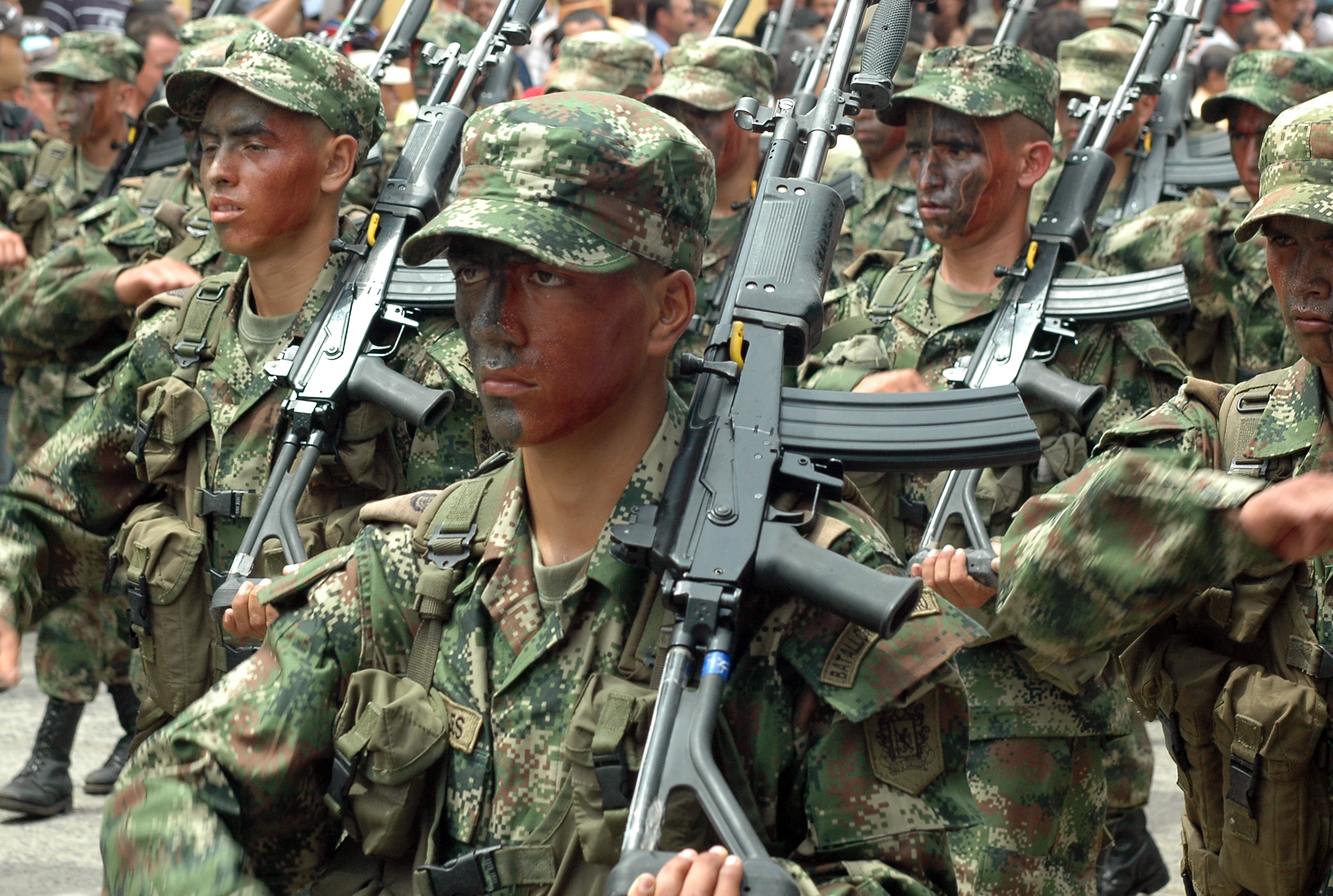
A rite of passage returns for a new generation. Under Colombia military service rules, the young men born in 2008 must now report for a year in uniform — even as the country argues over whether it should still draft anyone at all.
For Colombian men, turning 18 comes with an obligation few in wealthier countries still face: military service.
In 2026, that duty reaches the generation born in 2008 — the newest class called to define their place in a system Colombia is still debating.
How Colombia Military Service Works
Colombia requires military service of its young men. Those aged 18 to 24 must “define their military situation,” and the class of 2008 reaches that age this year.
For most, service lasts 12 months; for those who did not finish high school, it can run up to 18. In return, conscripts get a monthly payment close to the minimum wage, plus board, kit and health care.
The framework is Law 1861 of 2017, which overhauled an older, often abused system, tightened the rules and set clearer compensation.
Failing to sort out one’s military status can block a young man from a diploma, a formal job or leaving the country, making the requirement hard to ignore.
In practice, many young men resolve their status by obtaining a “military card,” a document long required for jobs and study.
Who Is Exempt
Not everyone serves. The law exempts men who are married or have children, and those who are the main financial support for parents or siblings.
Members of indigenous communities living in their own territories are exempt, as are clergy of recognised religious institutions.
The old system was notorious for letting the well-off buy or dodge their way out. Reforms have curbed that, but the burden still falls hardest on poorer young men with fewer ways to defer.
Conscientious objection is recognised in principle, though rights groups say the process to claim it can be slow and inconsistent.
The Peace Alternative
The bigger change is the option not to bear arms. Under the outgoing government of Gustavo Petro, Colombia created a “Social Service for Peace.”
Formalised by decree in 2024, it lets young people spend 12 months on civilian work — environmental, social or community projects — instead of the barracks, with similar benefits.
It reflects Petro’s belief that a country trying to end its conflicts should not force its youth into uniform. How fully the option is funded will decide whether it is a real choice or a paper one.
The peace-service idea grew out of Petro’s wider “total peace” agenda, an attempt to reduce the state’s reliance on force.
A Draft in a Divided Moment
The timing is charged. The class of 2008 comes of age just as Colombia prepares to swap Petro for president-elect Abelardo De la Espriella, a hardliner who has vowed to crush armed groups.
Where Petro softened conscription with a peace alternative, De la Espriella’s security-first agenda points toward a bigger, more active military.
Colombia’s armed forces have leaned on conscripts for decades of counter-insurgency, so any shift in the draft touches the heart of its security. What service looks like for this generation may depend on which vision prevails.
For the incoming government, a well-staffed military is central to its promise to retake territory from armed groups.
Why It Matters
For Colombian families, the draft is a personal reality: a year that can mean discipline and a wage, or, for some, danger in a country still at war in parts of its territory.
Even as violence has ebbed in the cities, it persists in rural zones like Cauca and Catatumbo, where young soldiers are often deployed.
Conscription has long been criticised for falling on the poor while the well-off avoid it; reforms have eased but not erased that gap. For the class of 2008, adulthood begins at a hinge moment in Colombia’s long struggle between the gun and the negotiating table.
How the class of 2008 is treated — drafted, offered peace work, or something in between — will be an early sign of the direction Colombia’s new government takes.
More: Colombia news in English, every day from The Rio Times.
Frequently Asked Questions
Who has to do military service in Colombia?
Military service is compulsory for Colombian men aged 18 to 24. The generation born in 2008 reaches 18 in 2026 and must now define their military situation under Law 1861 of 2017.
How long does Colombian military service last, and is it paid?
It lasts 12 months for high-school graduates and up to 18 months for those without a diploma. Conscripts receive a monthly stipend close to the minimum wage, plus food, housing, uniforms and medical care.
Is there an alternative to carrying a weapon?
Yes. Since 2024, Colombia offers a “Social Service for Peace,” a 12-month civilian alternative to compulsory military service with similar benefits, created under President Gustavo Petro.
Sources & Further Reading
El Cronista — Servicio militar obligatorio para los nacidos en 2008
War Resisters’ International — Conscription continues in Colombia
Gov. of Colombia — Decree 1079 of 2024 (Social Service for Peace)
Sources: Law 1861 of 2017.
This article was produced by The Rio Times’ automated newsroom system. How we use AI · Report an error · Editorial responsibility: Matthias Camenzind, Editor-in-Chief