China Halts Argentine Poultry Imports Again After Fresh Bird Flu Case
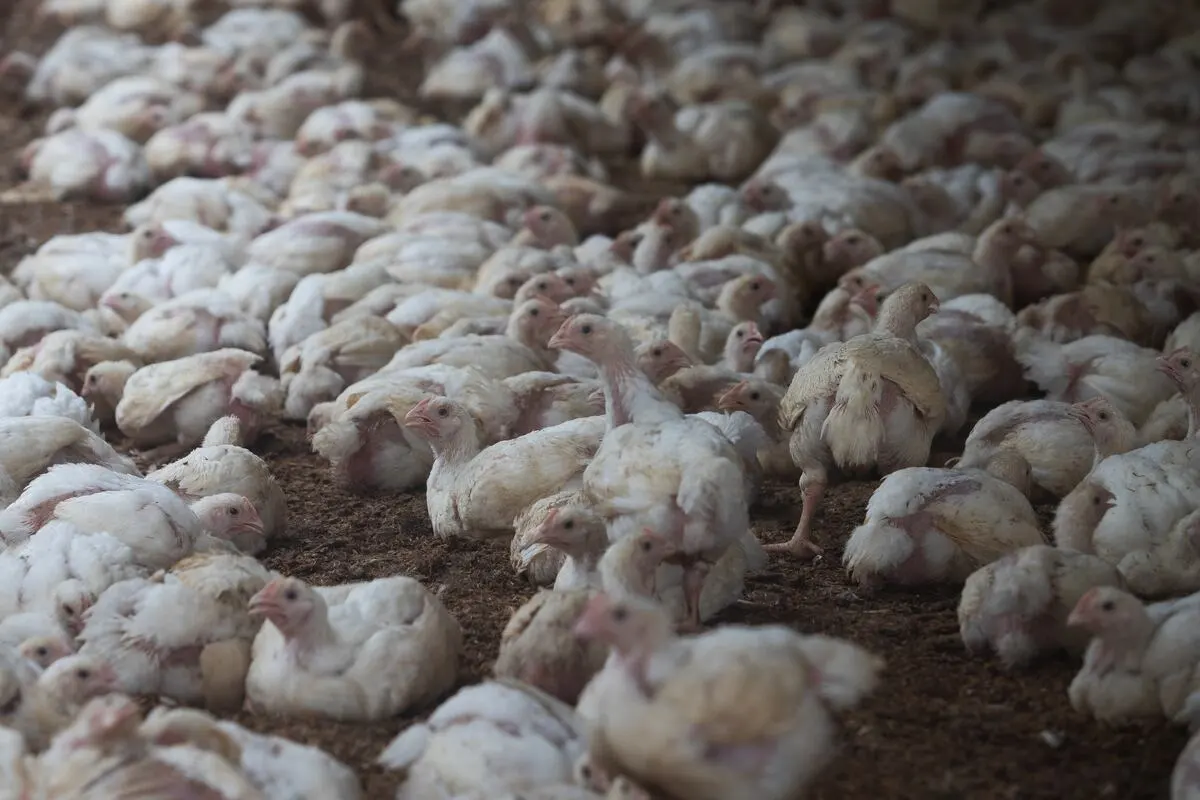
Argentina’s animal health agency SENASA reported on August 19 a new outbreak of highly pathogenic avian influenza in a commercial farm in Buenos Aires province.
Following this confirmation, Argentina suspended poultry exports as required by international sanitary protocols. One day later, China’s customs administration announced it would not accept poultry products produced in Argentina on or after August 20.
The notice did not explain the length of the measure or provide further justification. The suspension came only five months after China reopened its market to Argentine poultry.
Beijing had kept a ban in place for two years after Argentina detected avian influenza in commercial flocks in 2023. Argentina’s return to the Chinese market in March 2025 had marked an important recovery for exporters who rely on the country’s demand for cuts like chicken paws and wings.
China has already blocked shipments from Brazil since May 30 and from Spain since August 7, after outbreaks of avian influenza in those countries. Brazil had been the largest poultry supplier to China, while Spain also provided important volumes.
With Argentina now added to the list, three of China’s main foreign suppliers face simultaneous restrictions. Argentina normally ships nearly half of its poultry by-products to China.
Losing that outlet pressures exporters because these cuts are difficult to place elsewhere. Argentina can resume exports once it completes culling and disinfection measures and 28 days pass without new commercial flock cases.
China’s Poultry Bans Expose Risks for Export-Dependent Producers
However, every week of suspension reduces revenues and weakens the industry’s financial stability. China’s domestic poultry production remains strong and keeps overall supply stable.
According to Chinese customs data, poultry imports from January to July reached 226,013 metric tons, a two percent decline compared with the same period last year.
Russia has already increased shipments by more than 15 percent in the first seven months of 2025, filling part of the gap created by restrictions on other suppliers.
The repeated bans highlight the vulnerability of export-dependent industries when disease outbreaks strike. For Argentina, the reopening in March had seemed like the start of stability, but the August case closed that door again.
For China, the move shows an effort to protect animal health at home while balancing food supply through alternative sources.
More: Brazil news in English, every day from The Rio Times.
This article was produced by The Rio Times’ automated newsroom system. How we use AI · Report an error
Read More from The Rio Times