Cabo Verde Parliament Backs Budget 37 to 23
Cabo Verde’s parliament backed the 2027 budget in a first vote on Friday, but the final vote is still to come and the cost of its free services is unclear.

Cabo Verde Budget
The National Assembly of Cabo Verde, the island nation’s parliament, approved the 2027 State Budget in principle in Praia on Friday 27 November 2026, by 37 votes to 23. This was the first reading, known as the vote na generalidade, and not the final vote.
The governing PAICV (African Party for the Independence of Cabo Verde, a centre-left party) voted yes, and the MpD (Movement for Democracy, the centre-right main opposition) voted no. The two deputies of the UCID (Cabo-verdiana Independent and Democratic Union, a small party) abstained.
Key Facts
- Who. Cabo Verde’s National Assembly, the parliament, led by the governing PAICV party.
- What. Approved the 2027 State Budget in principle, a first reading before the final vote.
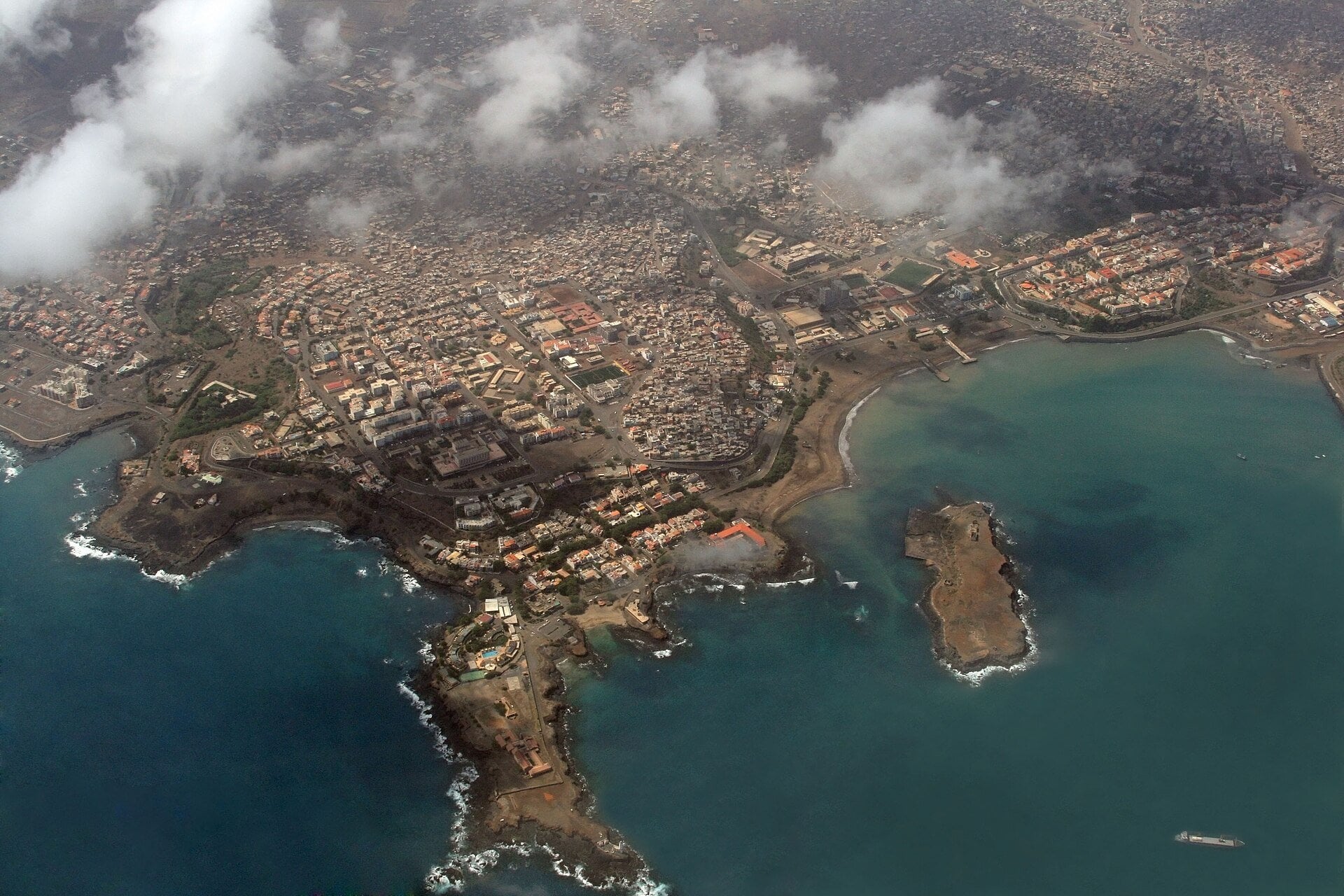
- Where. Praia, the capital of Cabo Verde, an Atlantic island nation.
- When. Friday 27 November 2026.
- As of. 28 November 2026, 11:30 GMT
Cabo Verde’s parliament backed the 2027 budget in a first vote on Friday, but the final vote is still to come and the cost of its free services is unclear.
The result was widely expected, because the PAICV won an absolute majority in the 72-seat chamber at the 17 May 2026 election and ended ten years of MpD government. The real contest is over content, and the two sides disagree on cost.
The government sent the proposal to parliament on 1 October 2026. Prime Minister Francisco Carvalho presented it in the budget debate.
Carvalho told the Assembly that the budget rests on four ideas: access, inclusion, opportunities and sustainable development. He called it a project for the country, not only a financial document.
The proposal totals 101.7 billion escudos (about US$1.01 billion at 100.65 escudos per dollar on 28 November 2026). Its main promises are free public higher education, free health care and cheaper inter-island transport.
Carvalho also promised cohesion fares of 500 escudos (about US$5) by sea and 5,000 escudos (about US$50) by air under the proposal, plus stronger local government and new infrastructure. He pledged to eliminate the shanty homes known as barracas and projected real growth, meaning growth after inflation, of 5.6% for 2027.
PAICV deputy Carlos Rodrigues said his party voted yes to deliver free health care, free education and campaign promises. He said the budget would let the government carry out measures that the previous government did not manage to execute.
MpD deputy Abraão Vicente voted no. He said the budget “mortgages the future” of the country and does not keep the fiscal discipline the country built over the years. Vicente criticised ministers for not explaining where, when and how they will keep their promises.
He also questioned whether the free services are sustainable, because concrete data on execution and financing are missing. The Public Finance Council (CFP), Cabo Verde’s independent fiscal watchdog, found in an opinion published on 10 November 2026 that personnel spending rises 10.5% while total spending falls 2.1%.
In its reading, the state expects to spend less overall but raises permanent costs, above all staff, and cuts allocations for non-financial assets, an important part of public investment. The CFP also said the information does not allow full knowledge of the extra costs of free health care, free higher education and the social inter-island fares.
It added that the debt ratio falls mainly through nominal growth, while debt in value keeps rising to about 308 billion escudos (about US$3.1 billion) in 2027. International Monetary Fund (IMF) staff, after a mission from 28 October to 6 November 2026, welcomed a 2027 primary surplus target of 0.9% of GDP (revenue above spending before interest).
At the end of the mission the staff also warned of risks in non-tax revenue, current spending and new subsidies.UCID president João Santos Luís, who leads the abstaining party, said the vote was not a blank cheque to the government.
He said the budget does not strengthen investment capacity, the competitiveness of national firms or job creation, and that his party will table amendments. For islanders, the plan brings free services and cheaper fares if the state can pay for them, and the CFP says the full cost is unclear.
For the diaspora and for lenders, the question is whether a debt that keeps growing in value stays manageable. The detailed vote and the final vote on the main budget still follow.
The CFP’s warning about the unclear cost of the free services is the open question those stages must answer.
More: Cabo Verde news in English, every day from The Rio Times.
Frequently Asked Questions
Is the 2027 budget now final?
No. This was approval in principle, and the detailed vote and the final vote still follow.
Why did the UCID abstain?
Its president said the vote was not a blank cheque, because the budget does not strengthen investment, competitiveness or job creation.
What is unclear about the free services?
The Public Finance Council says the information does not show their full extra cost, which leaves their financing open.
Sources
National Assembly of Cabo Verde, vote on the 2027 State Budget in principle, 27 November 2026; Public Finance Council (CFP), opinion of 10 November 2026; Escudo rate US$1 = 100.65 escudos, 28 November 2026.
This article was produced by The Rio Times’ automated AI newsroom. Editorial responsibility: Matthias Camenzind, Publisher and Editor-in-Chief. The Rio Times also runs Ask Rio Times, which answers from 100,000+ of our own articles, the daily Latin America Power Map, and prediction-market odds on elections and markets.. How we use AI · Report an error