Burkina Faso Customs Seize 181 Drones
The customs statement names no buyer or destination for the equipment and does not say whether it will go to the army.
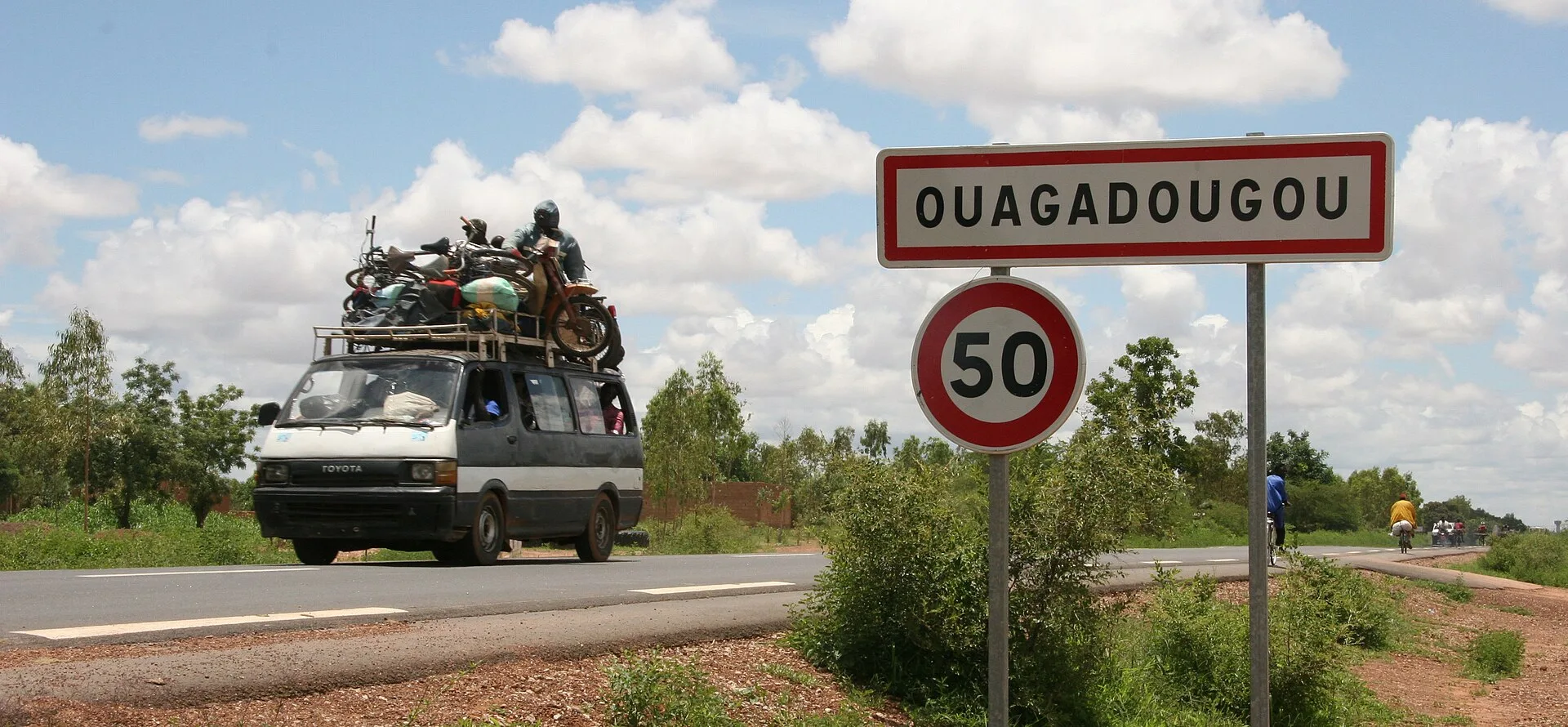
Security: Burkina Faso
Customs officers in Burkina Faso have seized 181 drones, military equipment and satellite communication terminals at an airport, the national customs administration said on Wednesday 25 November 2026. The administration estimated a value of more than 80 million CFA francs, the currency used in Burkina Faso (about US$134,000 at 597 francs to the dollar).
The Brigade spéciale des douanes de l’aéroport, a customs unit that works at the airport, made the seizure. The statement does not say which airport was involved, who imported the goods or whether anyone has been charged.
Key Facts
- What. 181 drones, military equipment and satellite terminals; estimated value over 80 million CFA francs (about US$134,000).
- Who. Burkina Faso’s customs administration and its airport customs unit (BSA).
- Where. An airport in Burkina Faso, which the statement does not name.
- When. Announced on Wednesday 25 November 2026.
- As of. 25 November 2026, 19:00 GMT.
The customs statement names no buyer or destination for the equipment and does not say whether it will go to the army.
The customs statement says uncontrolled circulation of such equipment “constitutes a major concern” because it could be diverted to hostile ends. It places the seizure in what it calls a security context marked by efforts to retake territory, a phrase the statement does not elaborate.
Yves Kafando, the director general of customs, praised the unit’s agents and urged the public to follow the rules on importing sensitive equipment and to help stop irregular imports. The statement cites no specific legal text.
Some published versions of the statement name the Starlink brand for the terminals. Starlink is the satellite internet service of the US company SpaceX, so the terminals are a US company’s product.
Similar seized goods have been handed to the army before: on 8 September 2026 Economy and Finance Minister Aboubakar Nacanabo handed seized equipment to General Célestin Simporé, the defence minister. It included 107 Starlink satellite devices, 2,013 explosive sticks and 3,284 electric detonators.
In January 2026 customs reported that 8,059 explosive items were intercepted between 4 and 8 January, most of them at the Cinkansé border post. Part had already gone to the armed forces, and the rest was sealed awaiting handover.
Published versions of the statement differ on whether the figure covers the drones alone or the whole haul. If it belongs to the drones alone, each is worth about US$740 at most, which would point to low-cost models.
It is not stated whether the drones are commercial or military models, how they were brought in or where they came from. Nor does the statement say whether the equipment will go to the army, as the September seizure did.
For readers abroad, the case shows that Burkina Faso treats drones and satellite terminals as security goods rather than ordinary imports. The statement points to import rules for sensitive equipment, which exporters and aid groups would need to check before shipping.
Frequently Asked Questions
Which airport was involved?
The customs statement does not name it. It says only that the airport customs unit made the seizure.
What are Starlink terminals?
They connect to a satellite internet network run by SpaceX, a US company. Some published versions of the statement say the seized terminals were of this type.
Sources
Burkina Faso customs administration (Douanes du Burkina Faso) statement of 25 November 2026; customs seizure and handover announcements of 8 September 2026 (Bobo-Dioulasso) and 11 January 2026 (Cinkansé).
Connected Coverage
This article was produced by The Rio Times’ automated AI newsroom. Editorial responsibility: Matthias Camenzind, Publisher and Editor-in-Chief. The Rio Times also runs Ask Rio Times, which answers from 100,000+ of our own articles, the daily Latin America Power Map, and prediction-market odds on elections and markets.. How we use AI · Report an error