Brazil’s Central Bank Fires Back at U.S. Over Pix: “Their Interests Are Not Ours”
Key Facts
— — Paulo Picchetti, the Banco Central’s director of international affairs, said Monday that critics of Pix “have interests that are not those of the Brazilian population” — a direct reference to the US payments industry and the Trump administration’s Section 301 investigation targeting the system
— — The same day, Colombian President Gustavo Petro publicly asked Brazil to extend Pix to Colombia, calling it a superior model to the US-dominated card networks and attacking Washington’s financial enforcement mechanisms as “tools of political control”
— — The confrontation follows the USTR’s 2026 National Trade Estimate report, released March 31, which devoted eight pages to Brazil and warned that Pix gives unfair preference over private US payment providers like Visa and Mastercard — with a Section 301 investigation due to reach its final stage within months
A free, instant payment system used by 175 million Brazilians that processes over R$3 trillion per month has become the unlikely flashpoint in a US-Brazil trade confrontation — and now other Latin American governments want in.
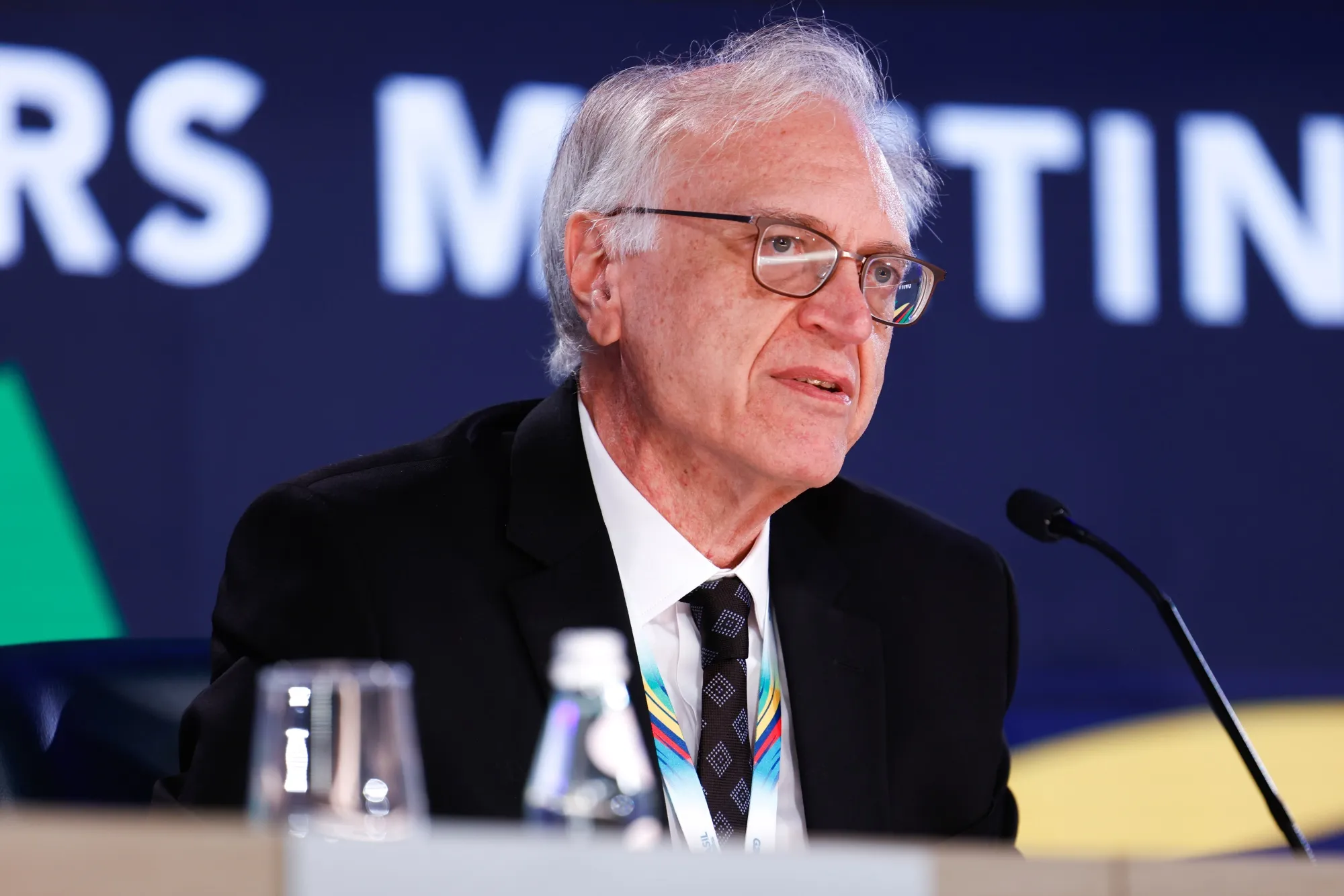
Brazil’s Pix US criticism standoff escalated on Monday when Paulo Picchetti, the Banco Central do Brasil’s director of international affairs and corporate risk management, publicly accused the US payments industry of driving the attacks on Brazil’s instant payment system. Speaking after an event in Rio de Janeiro, Picchetti said Pix reduces costs, increases competition, and expands financial access — and that “this naturally generates discomfort in more traditional business models.” He added that Brazil has “full capacity to create modern instruments that respond to the needs of its population, without depending on imported models.”
What Washington Wants
The backdrop is the Trump administration’s 2026 National Trade Estimate report, released March 31, which devoted eight pages to Brazil — the most detailed US government critique of Brazilian commercial policy in years. The report states that the central bank “created, owns, operates, and regulates” Pix, and warns that mandatory participation for large financial institutions gives the system unfair preference over Visa and Mastercard and other private US payment providers.
The critique feeds into a Section 301 investigation launched in July 2025, which examines Brazilian practices in electronic payments, digital trade, and financial services that Washington considers potentially harmful to US companies. During public hearings in September, US private sector representatives argued that Pix creates competitive imbalances by combining regulatory and operational functions within the central bank. The investigation is due to reach its final stage within months — and could produce targeted tariffs on Brazilian goods.
Lula’s Response — and Petro’s Embrace
President Lula responded to the USTR report on April 2 by declaring: “Nobody is going to make us change Pix.” His government launched a social media campaign with the slogan “Pix is ours, my friend” — adopting an explicitly nationalist tone that plays well ahead of October’s elections. The Brazilian Federation of Banks defended the system as an “open model” available to all financial entities that promotes competition precisely because it is not a commercial product.
Then, on Sunday, Colombian President Gustavo Petro added a regional dimension. Posting on X, Petro wrote: “Le pido a Brasil extender el sistema PIX a Colombia” — asking Brazil to bring Pix to the Colombian market. He called it a superior model to the US-dominated card networks and attacked OFAC, the US Treasury’s sanctions enforcement arm, as “an aberrant system of political control.” The Brazilian central bank has not publicly responded to Petro’s request, and analysts note that merging financial systems across borders requires complex regulatory work.
Why It Matters Beyond Brazil
Pix has brought an estimated 70 million previously unbanked Brazilians into the formal financial system since its 2020 launch. It surpassed credit cards as Brazil’s leading e-commerce payment method in 2025, capturing 42% of total online purchase value. Banco do Brasil has already launched Pix for cross-border payments in Argentina, and the central bank is studying Pix international expansion to other countries in the Americas, Europe, and Asia — a trajectory that mirrors India’s UPI system, which has expanded to more than a dozen countries.
The geopolitical stakes are clear. If Pix expands across Latin America as a free, state-backed alternative to Visa and Mastercard, it would represent the most significant challenge to American dominance in regional payment infrastructure in decades. For the Trump administration, the Section 301 investigation is about protecting that dominance. For Brazil, Picchetti’s Monday remarks framed it as something else entirely: financial sovereignty. The outcome will shape not just trade relations between the hemisphere’s two largest economies, but the architecture of how Latin Americans pay for things for the next generation.
More: Brazil news in English, every day from The Rio Times.
This article was produced by The Rio Times’ automated newsroom system. How we use AI · Report an error
Read More from The Rio Times