Brazil Electoral Court Forms Panel on Crime
The court has asked for proposals, not rules, and the first test of the effort is what it hands back.

Brazil · Brief
Brazil’s Superior Electoral Court (TSE), the court that runs the country’s elections, has created a working group to keep organised crime out of its voting. The court’s president, justice Kassio Nunes Marques, set it up by an ordinance published on Thursday 26 November 2026, according to a TSE statement.
The group has 120 days from the ordinance to present concrete measures. It follows a year in which prosecutors challenged 42 candidacies in 10 states over suspected links to organised crime.
Key Facts
- Who. Superior Electoral Court president Kassio Nunes Marques created a working group on organised crime.
- What. The group must propose measures against illegal campaign money, infiltration and intimidation.
- When. Ordinance published 26 November 2026; 120 days to report.
- Power Index. Brazil ranks 1st of 14 in The Rio Times Latin America Power Index, with 74.2 points (November 2026 edition).
- As of. 27 November 2026, 18:10 GMT
The court has asked for proposals, not rules, and the first test of the effort is what it hands back.
An auxiliary judge of the court coordinates the group. Its 120 days run from the ordinance.
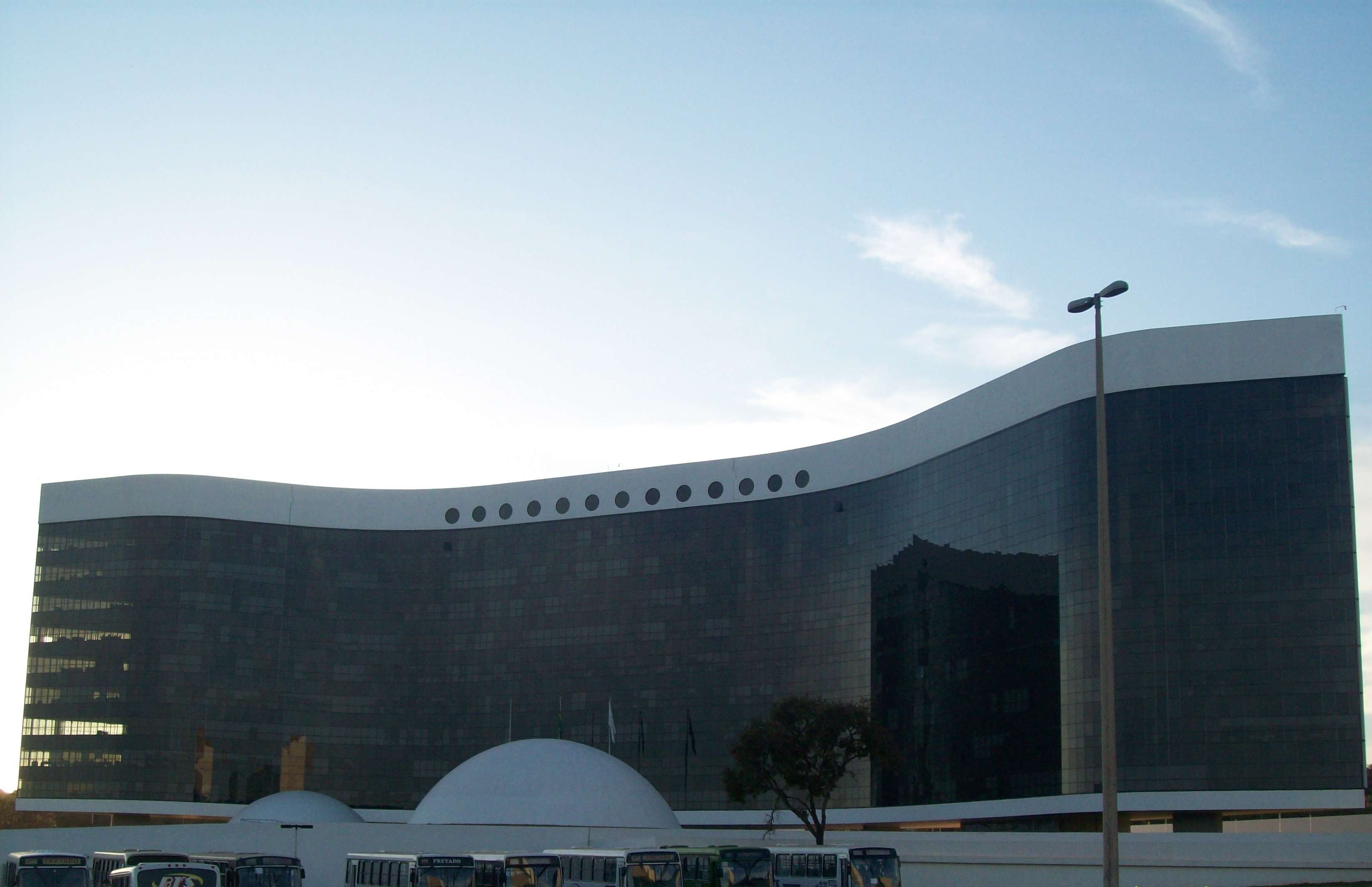
The court said what the group will look at: “The focus will be to assess risks of illegal campaign financing, infiltration of political and administrative structures, coercion of voters and intimidation of candidates.” The list spans money, institutions, voters and candidates.
On oversight and intelligence, the ordinance tells the group to improve the analysis of campaign and party accounts so that illicit money can be traced. It is also to sign cooperation protocols with public-security and criminal-investigation bodies.
On structure and security, the group is to assess specialised court units that would judge electoral and related crimes. It is also to weigh stronger security for judges, staff and participants.
On technology and training, it is to improve the tools that support investigations and to train staff. It is also to spread the good practices of the regional electoral courts (TREs), the state-level arms of the electoral justice system.
The prosecutors moved first. The Electoral Public Prosecutor’s Office (MPE), the prosecutors who police elections, has its own working group on organised crime in elections, set up by ordinance PGE 66/2025 of the Electoral Prosecutor-General’s Office and valid from 1 January 2026 to 31 October 2027, according to the prosecutors’ own announcement of 5 January 2026.
In the 2026 elections the MPE challenged 42 candidacies in 10 states over suspected links to organised crime, according to the prosecutors’ tally released on 6 November 2026. Rio de Janeiro accounts for 26 of them, ahead of Paraíba with 4 and São Paulo with 3.
By the same tally, 22 were for state deputy and 16 for federal deputy. Four were cleared, and the remainder were denied, withdrew or await appeal rulings at the TSE.
Márcio Canella, former mayor of Belford Roxo, a city in Rio state, and an elected state deputy for the União Brasil party, was arrested preventively on 15 October 2026 in the eighth phase of Operation Unha e Carne, a money-laundering investigation run by Brazil’s Federal Police. The regional electoral court of Rio (TRE-RJ) had approved his candidacy, and he has not been convicted.
The group’s task is to propose measures, and the court has not said whether it will make any of them binding. Nor has it said what happens to the pending challenges.
The next date to watch is the 120-day deadline, counted from the ordinance, which falls in late March 2027; the exact date is not confirmed. Our report on what crime costs Brazil sets out the wider stakes.
Frequently Asked Questions
What can the working group decide?
It can only propose measures, not set rules. The court has not said whether it will make them binding.
Why is an electoral court dealing with crime?
The court runs Brazil’s elections, and its statement names illegal campaign financing, coercion of voters and intimidation of candidates as risks to assess.
Sources
Sources
- Superior Electoral Court (TSE) statement on the working group, 27 November 2026, and its ordinance of 26 November 2026 (not opened by us)
- Electoral Public Prosecutor’s Office ordinance PGE 66/2025 (5 January 2026 announcement)
- prosecutors’ tally of challenged candidacies, released 6 November 2026
- Federal Police Operation Unha e Carne, eighth phase, 15 October 2026 (not opened by us)
This article was produced by The Rio Times’ automated AI newsroom. Editorial responsibility: Matthias Camenzind, Publisher and Editor-in-Chief. The Rio Times also runs Ask Rio Times, which answers from 100,000+ of our own articles, the daily Latin America Power Map, and prediction-market odds on elections and markets.. How we use AI · Report an error
Brazil runoff, Sunday, October 25: Brazil runoff date. Latest: Brazil runoff polls, Flávio 51%, Lula 49%.