Brazil Court Returns Chilean Pulp Mill Case
A federal appeals court sent the fight over a Chilean pulp mill’s licence back to a lower court, leaving the permit in force while a second permit is still missing.

Courts: Brazil
The Third Panel of the TRF4, the Federal Regional Court of the 4th Region, annulled a lower-court ruling on Tuesday 24 November 2026 in a case over a R$27 billion (about US$4.7 billion) pulp mill planned by the Chilean group CMPC. It told the lower court in southern Brazil to reassess the prosecutors’ case, including how prior consultation of Indigenous and other traditional communities should be organised.
The licence stays in force, because the panel did not suspend it. The ruling comes eight days after four groups, including a Guarani association, said they had filed another lawsuit on Monday 16 November 2026.
Key Facts
- What. The mill’s first permit, issued by state agency Fepam on 22 October 2026, stays in force.
- Where. Barra do Ribeiro, Rio Grande do Sul, near Porto Alegre; cost R$27 billion (about US$4.7 billion).
- When. Ruling on Tuesday 24 November 2026; no date is known for the lower court’s decision.
- Power Index. Brazil ranks 1st of 14 in The Rio Times Latin America Power Index, with 74.2 points (November 2026 edition).
- As of. 27 November 2026, 04:00 GMT.
A federal appeals court sent the fight over a Chilean pulp mill’s licence back to a lower court, leaving the permit in force while a second permit is still missing.
The Federal Public Prosecutor’s Office, known by its initials MPF, filed the civil action on Wednesday 13 May 2026 against CMPC, the state environmental agency Fepam, the federal government, the land agency Incra and the federal Indigenous affairs agency Funai. It says licensing advanced without the free, prior and informed consultation of artisanal fishers and of Indigenous and quilombola communities, descendants of escaped slaves, that the International Labour Organization’s Convention 169 requires (MPF press release, 13 May 2026).
The Rio Grande do Sul government says the Barra do Ribeiro plant is designed for 3 million tonnes a year. CMPC, a Chilean pulp, paper and packaging group, also runs a separate Guaíba pulp mill near Porto Alegre, which we covered in a separate report.
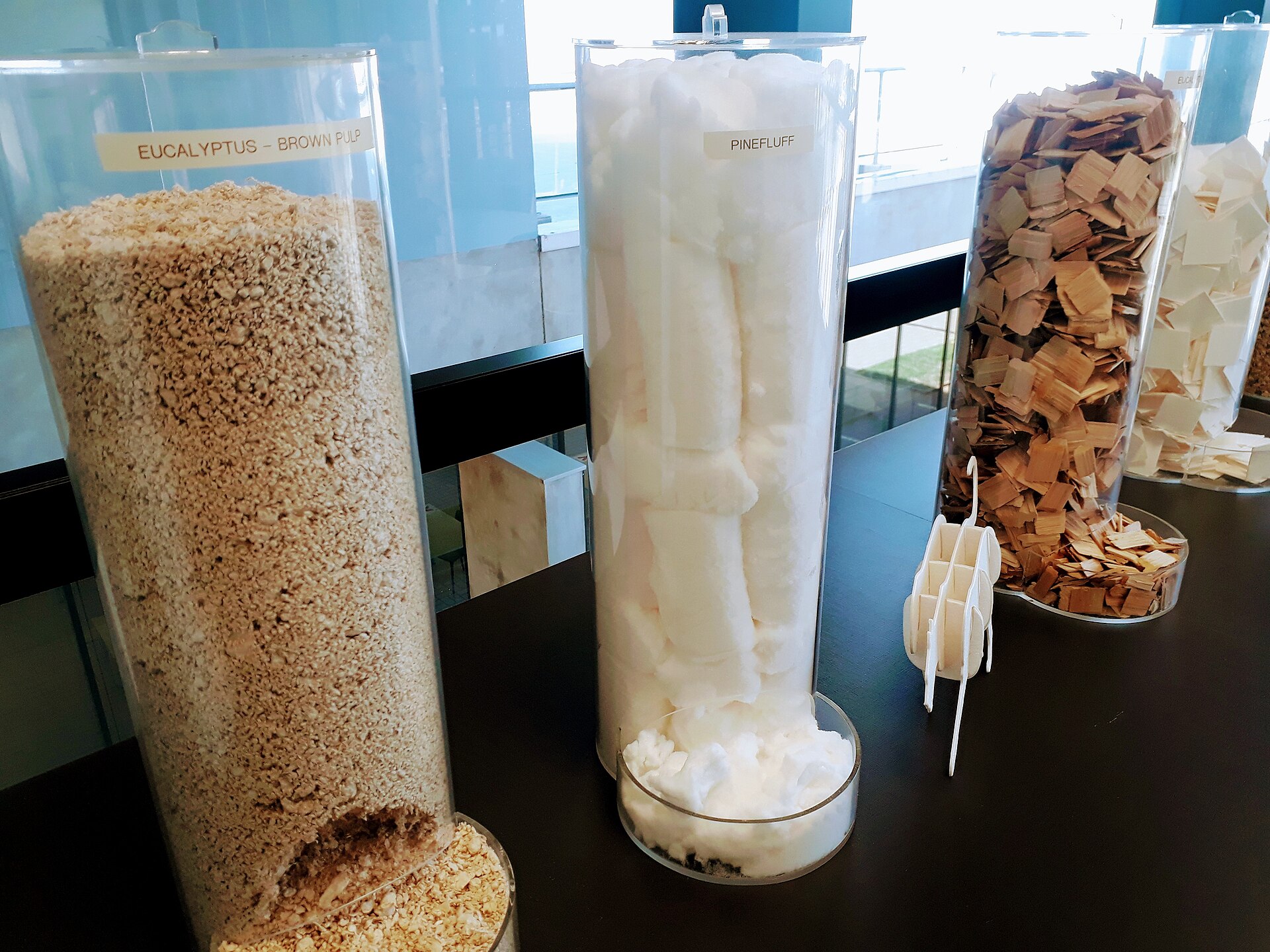
Projeto Natureza, or Project Nature, is a R$27 billion plan, and the state government lists an additional R$1.5 billion (about US$259 million) export terminal at the port of Rio Grande. We convert reais at a rounded R$5.80 per US$1.
The site is Barra do Ribeiro, a small town on Lake Guaíba, the lake beside Porto Alegre. The Rio Grande do Sul government projects up to 12,000 workers there at the peak of construction.
The Rio Grande do Sul government called the mill the largest private investment in the state’s history in its release of 23 October 2026. The installation licence, the permit that lets works start, is still to come.
Prosecutors say the plant would discharge 216,000 cubic metres of effluent a day into Lake Guaíba, containing 720 kilograms of toxic chlorine-based pollutants (organochlorines, dioxins and furans), a few kilometres from water intakes of Porto Alegre’s water utility Dmae and of the Corsan water utility in Barra do Ribeiro (MPF, 13 May 2026). They add that the company limited the area of direct impact to a 5 km radius although more than 7,000 artisanal fishers work in the Jacuí Delta and the Patos Lagoon.
The lower court is the 9th Federal Court of Porto Alegre, which in June had refused the prosecutors’ request to halt the licensing. The appeals panel has now told it to look at the consultation case again.
Fepam granted the preliminary licence on Thursday 22 October 2026 and handed it to CMPC the next day, after Funai gave a favourable opinion on the company’s studies of eight Mbyá Guarani communities on the site and 18 more nearby. The Mbyá Guarani are an Indigenous people, and Fepam described a technical review, a public hearing and a period for public comments.
Roberto Liebgott of Cimi-Sul, the southern branch of the Catholic Indigenist Missionary Council, answered on 23 October 2026. He called Funai’s opinion “worrying and contradictory, since approving a technical study is not the same as consultation” (translated from Portuguese; the quotation continues).
The text of the 24 November ruling was not available online when we checked. Reports dated 25 and 26 November 2026 say it did not suspend the licence.
The lower court has not said when it will rule, and no start date for works has been announced. It is not known whether CMPC has applied for the installation licence, the permit that allows works to start.
Until that licence is issued, none of the peak construction jobs can begin. The ruling therefore adds a court step without removing a permit, and it hands the consultation question to the lower court.
Frequently Asked Questions
Did the court cancel the CMPC mill’s licence?
No, the licence stays in force while the lower court reassesses the prosecutors’ requests. The ruling annulled an earlier decision but did not suspend or invalidate the permit.
Why do prosecutors oppose the mill?
They argue that fishers and Indigenous and quilombola communities were not consulted as international labour rules require. They also warn about effluent discharged into Lake Guaíba near drinking-water intakes.
Can construction start now?
Not yet, because the project still needs an installation licence. The lower court’s timetable is not known.
Sources
Federal Public Prosecutor’s Office, 13 May 2026 · Fepam preliminary licence, 22 October 2026 · TRF4 ruling of 24 November 2026 (text not available online when checked)
This article was produced by The Rio Times’ automated AI newsroom. Editorial responsibility: Matthias Camenzind, Publisher and Editor-in-Chief. The Rio Times also runs Ask Rio Times, which answers from 100,000+ of our own articles, the daily Latin America Power Map, and prediction-market odds on elections and markets.. How we use AI · Report an error
Brazil runoff, Sunday, October 25: Brazil runoff: date, poll closing times and when results start. Latest: Brazil runoff polls, Flávio 51%, Lula 49%.