Brazil and the US are conducting CORE 23, a military training that underscores their defense partnership.
Specialized units from both countries, such as jungle and airborne forces, come together in this strategic exercise.
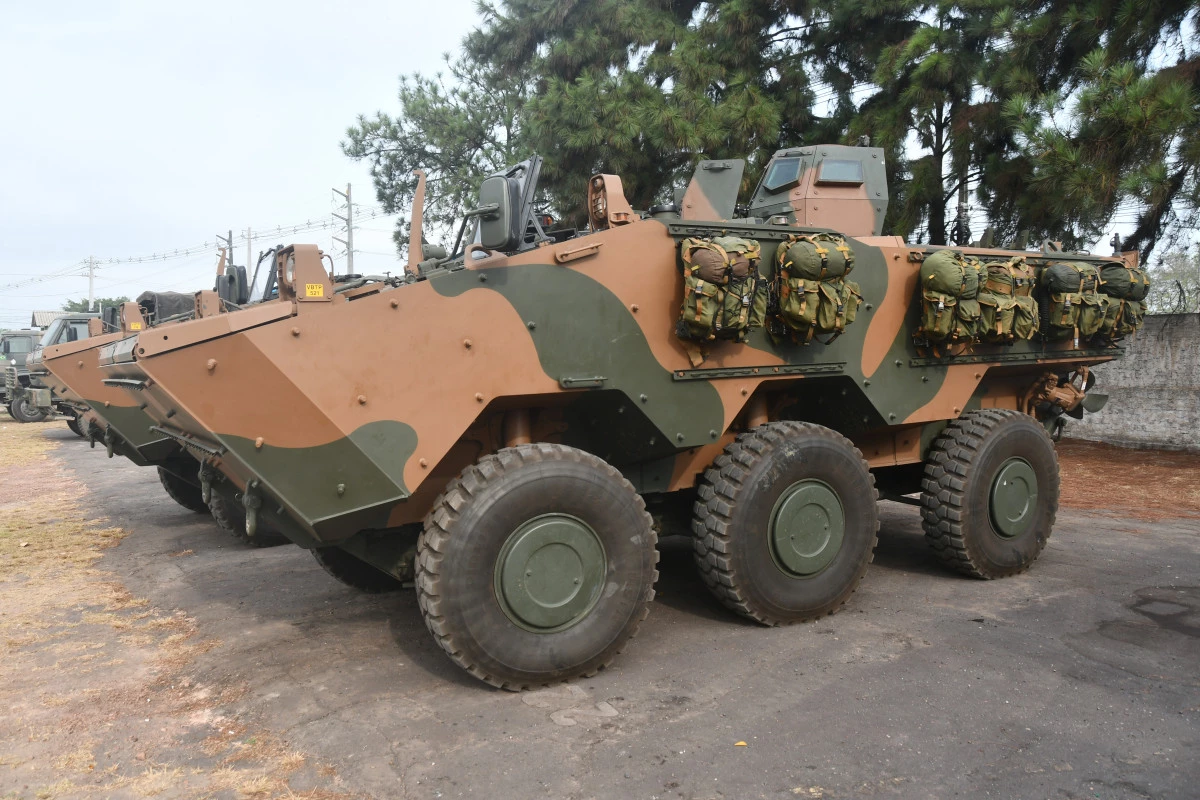
The Guaraní vehicle’s first use in operations is at the heart of the event. It carries new weapon turrets like the Australian Platt and Brazil’s Reman.
Moreover, the Guaraní introduces a new function: the ATMM. It transports mortars, boosting the mobility and safety of support units.
For assessment, participants employ the high-tech Swedish DSET system. This tracks the action with sensors, adding realism to the training.
Initially, an air-led assault by Special Forces targets the retrieval of key sites from armed foes.
Then, the joint forces press forward on land to engage and overcome adversaries, aiming to secure strategic points.
The drill reaches its peak with field exercises in three locales, emphasizing airborne and jungle tactics from November 7-16.
This operation stems from a pact for yearly joint exercises up to 2028, fostering the sharing of defense methods and bolstering army cooperation.
Background
CORE drills affirm a deep-seated alliance between Brazil and the US, with annual exercises slated until 2028.
Beginning in Brazil in 2021 and continuing in the US in 2022, they signify a shared dedication to regional peace.
The drills serve as a platform for mutual skill exchange, tailored to varied combat environments.
Collaboratively, the two nations aim to refine their conflict response capabilities.
These exercises also offer a window into diverse military doctrines, promoting synergy in joint missions.
This alliance fortifies defense ties and presents a united front against possible northern border threats, maintaining vigilance for emerging challenges.
This article was produced by The Rio Times’ automated newsroom system. How we use AI · Report an error · Editorial responsibility: Matthias Camenzind, Editor-in-Chief
Read More from The Rio Times