Bolivia Police Arrest Teachers in Cochabamba
Teachers say a plan to decentralise vocational colleges and a higher diesel price threaten education and family budgets, and the arrests have sharpened a dispute already in the streets.

Society: Bolivia
Police broke up a teachers’ protest in the Bolivian city of Cochabamba on Friday 27 November and arrested several teachers. Teachers said they were gassed, and those detained included Wilson Velásquez, head of the Cochabamba Departmental Federation of Urban Teachers.
The arrests came while Bolivia is under a state of exception, emergency powers that police cite as grounds for banning marches. A rise in the price of diesel has set off strikes by teachers, unions and drivers and a national transport strike is due to start on Monday 30 November.
Key Facts
- Who. Wilson Velásquez, head of Cochabamba’s federation of urban teachers, was among those arrested.
- What. Police dispersed the protest; first reports said four arrests, others about ten.
- Next. Drivers plan an indefinite national strike from Monday 30 November; talks offered for Sunday.
- As of. 27 November 2026, 18:00 GMT.
- Power Index. Bolivia ranks 13th of 14 in The Rio Times Latin America Power Index, with 27.9 points (November 2026 edition).
Teachers say a plan to decentralise vocational colleges and a higher diesel price threaten education and family budgets, and the arrests have sharpened a dispute already in the streets.
The Confederation of Urban Education Workers of Bolivia (CTEUB), the national union body of urban teachers, told all its federations to join a Great Peaceful National March on Friday. Teachers reject a government proposal to decentralise the administration of technical and technological institutes, the state vocational colleges, which they say could damage public education and teachers’ working conditions.
Teachers also protest the rise in the price of diesel, because of its likely effect on transport and household budgets. Rural and urban teachers confirmed they would take part, together with other labour groups.
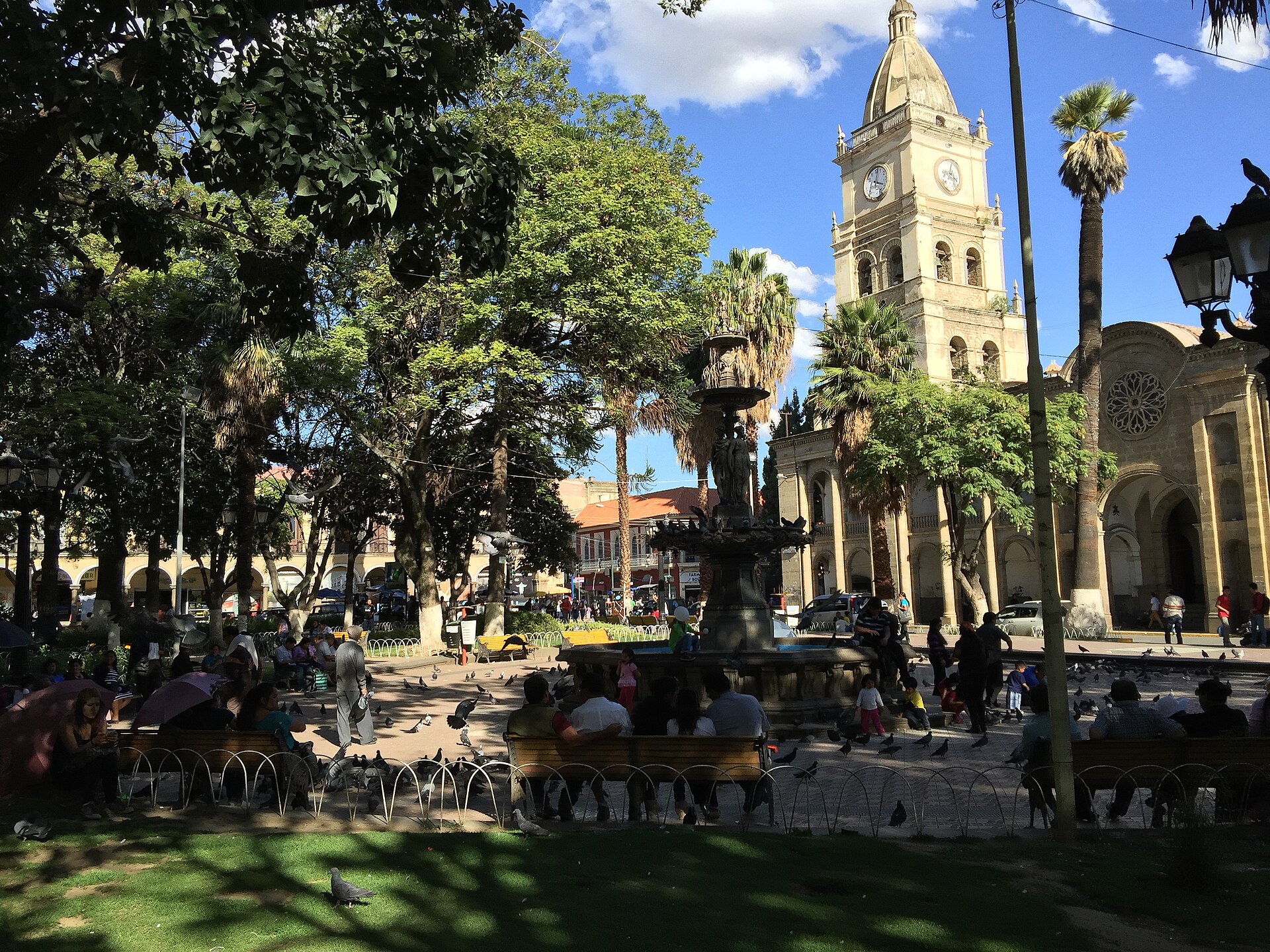
Friday’s arrests follow a similar clash in the same city one week earlier, when police also met the teachers’ march with gas. On Friday 20 November, police with soldiers at key points stopped an urban teachers’ march in Cochabamba that tried to reach the city centre along Avenida Blanco Galindo.
Officers told marchers that protests were banned because a state of exception and an auto de buen gobierno, a local-authority order on public order, were in force nationwide. Police used tear gas, and no injuries were officially reported.
On Friday morning police dispersed teachers keeping a vigil outside the Departmental Education Directorate in Cochabamba, using pepper spray or gas. Accounts differ on the number detained: four teachers in the first reports, about ten people in others.
By midday officials had not said what charges, if any, the detainees face. Accounts also differ on whether the institutes plan is on hold or still moving forward.
The exact number of arrests and whether the detainees have been released remain unconfirmed. The government has not said how it will answer the teachers on the institutes proposal.
The Bolivian Workers’ Central (COB), the country’s main union federation, planned to march from Ceja de El Alto, a district of the city of El Alto next to La Paz, at 14:00 on Friday with five sectors. Defence Minister Ernesto Justiniano said on Thursday 26 November: “You can protest peacefully; what you cannot do is block highways and streets.”
Transport drivers decided on Thursday 26 November to start an indefinite national strike from Monday 30 November over diesel. The government invited drivers to talks on Sunday 29 November but ruled out bringing back the diesel subsidy it ended; driver leader Lucio Gómez said they would join only if the hydrocarbons regulator’s notice that raised the diesel price is withdrawn, and that no formal invitation had reached them.
Bolivia’s Ombudsman (Defensoría del Pueblo), the state human-rights body, said in a statement on Friday 27 November that the right to protest is recognised in the Constitution and international instruments but “is not absolute and finds its limits in respect for the rights of third parties”. It asked protesting groups to avoid harming health, free movement, basic services and work.
The ombudsman also urged authorities to answer social demands through dialogue and reminded police that during the state of exception they must follow international standards on the use of force. It said their actions must keep to the principles of “legality, necessity and proportionality” and offered to accompany dialogue processes.
The next fixed dates are Sunday 29 November, when the government has invited drivers to talks, and Monday 30 November, when the indefinite transport strike is due to begin. Driver leader Lucio Gómez says they will attend only if the regulator’s diesel price notice is withdrawn, and the government has ruled out bringing back the subsidy.
Frequently Asked Questions
Why are Bolivian teachers protesting?
They oppose a plan to decentralise the state vocational colleges and a rise in the diesel price. They say the first could harm public education and the second hits transport and household budgets.
Can people protest during Bolivia’s state of exception?
The ombudsman says the right to protest is recognised but has limits, and that police must act with legality, necessity and proportionality. Police have cited the state of exception to ban marches.
Will the transport strike go ahead?
Drivers have decided to start an indefinite national strike, and the government has invited them to talks beforehand. Driver leader Lucio Gómez says they will attend only if the regulator’s diesel price notice is withdrawn.
Connected Coverage
Bolivia news · Bolivia Warns Striking Teachers of Pay Cuts · Bolivia Diesel Price Jumps 83% and Unions Test a Blockade Ban · Bolivia’s Protest Week Opens With a 24-Hour Transport Strike
This article was produced by The Rio Times’ automated AI newsroom. Editorial responsibility: Matthias Camenzind, Publisher and Editor-in-Chief. The Rio Times also runs Ask Rio Times, which answers from 100,000+ of our own articles, the daily Latin America Power Map, and prediction-market odds on elections and markets.. How we use AI · Report an error