Bolivia Diesel Protests Build as Unions Test the State of Exception
Bolivia · Politics
Key Facts
- —What happened Bolivia’s drivers’ union met in Santa Cruz on 22 September 2026 to plan its fight against a diesel price rise.
- —What set it off Supreme Decree 5716 ended the diesel subsidy, lifting the price from Bs 9.80 to Bs 17.95 a litre (about US$0.82 to US$1.51).
- —The legal frame A state of exception for internal unrest, extended by Congress on 17 September, runs to 17 December and bans road blockades.
- —Who is next Oruro drivers march on 23 September; urban teachers plan a national march on Wednesday 30 September.
- —The government line Ministers have fanned out to explain the decree, while police and soldiers guard the main highways.
- —The catch Some foreign headlines spoke of a new national emergency; the emergency powers actually in force date from June.
No new emergency has been declared. Bolivia diesel protests are unfolding under emergency powers already in force, and unions are testing how far they reach.
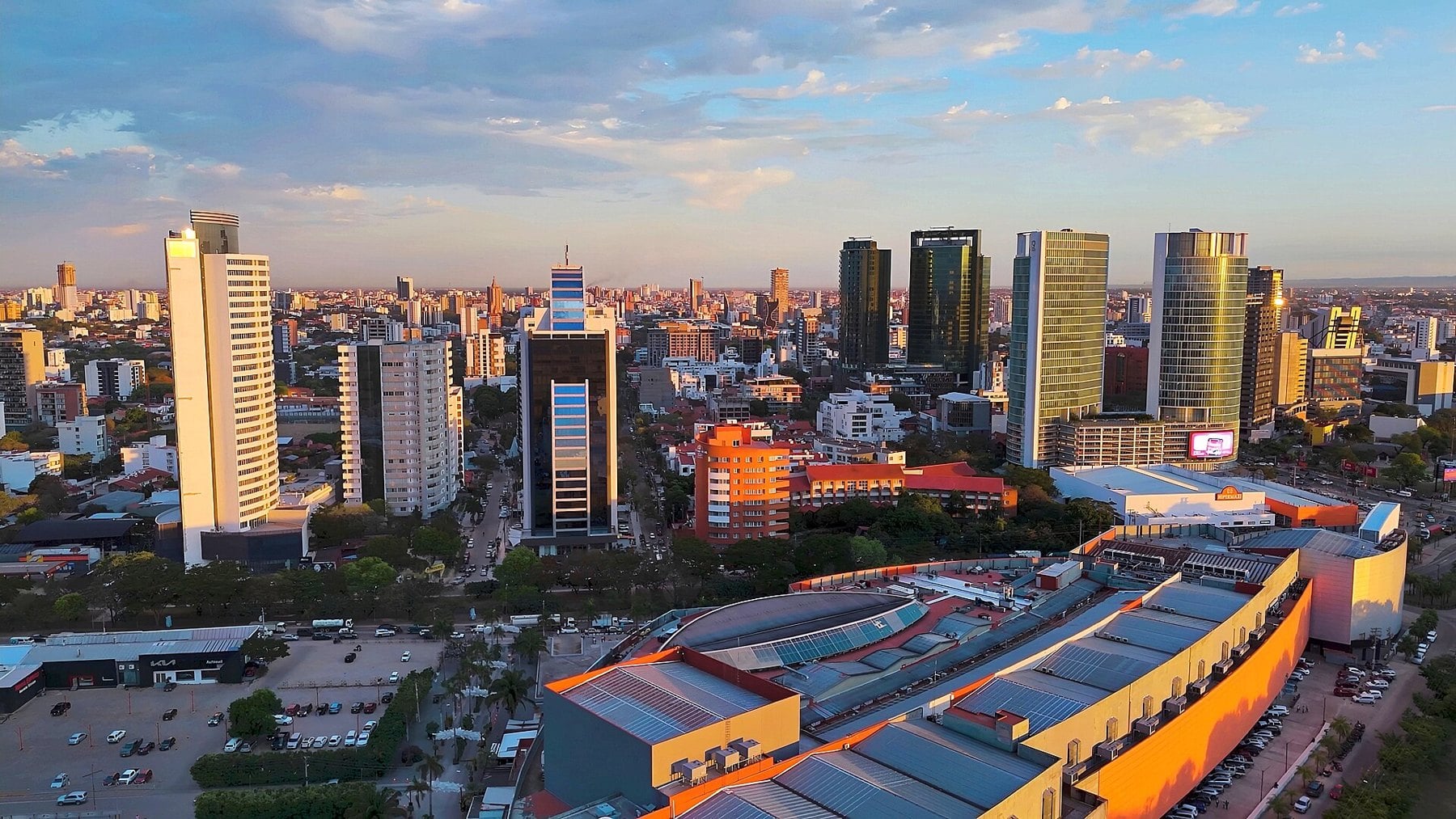
Bolivia diesel protests moved into a new phase on Tuesday 22 September 2026. Drivers’ unions met in Santa Cruz to decide how hard to push against the end of the diesel subsidy.
They are doing it under emergency rules already in force. A state of exception for internal unrest has covered the whole country since 20 June 2026, and it bans road blockades.
Some regional news sites headlined this week that President Rodrigo Paz had declared a national emergency. The emergency in Bolivian reports is the unions’ own: several have declared themselves “in emergency”, an internal alert.
What the decree changed
Supreme Decree 5716, which Paz announced in a recorded message, scrapped the remaining diesel subsidy on Saturday 19 September. The pump price rose from Bs 9.80 to Bs 17.95 a litre (about US$0.82 to US$1.51).
That is a rise of 83%. Dollar figures here use a rate of 11.90 bolivianos to the US dollar, the central bank’s official rate for 22 September 2026.
The price is now tied to international quotes through an adjustment band, Erbol reported. The government says the subsidy cost about US$55 million a week.
The drivers meet in Santa Cruz
The Confederación Sindical de Choferes de Bolivia, the main drivers’ union, called its national assembly for 10:30 a.m. Bolivia time. Its leader, Lucio Gómez, wants the decree annulled.
“We are declared in emergency,” Gómez said on Monday, meaning his union’s own state of alert. He said the assembly would decide what action to take and “the path of Bolivian road transport”.
Fares are on the table as well. Gómez said delegates would weigh whether to accept a 45% rise, although he argues operators need at least 50% to 60%.
Eddy Condori of the Federación Andina de Choferes, the drivers’ federation of El Alto, said he would propose an indefinite national strike. Another leader, Víctor Tarqui, warned on 19 September that blockades were the unions’ weapon if the decree stood.
No resolutions from the assembly had been reported by late morning Bolivia time on 22 September. A strike or blockade would run straight into the emergency rules.
Not every union came. The federated drivers of Oruro, a mining city on the high plateau, stayed away and will march on Wednesday 23 September instead.
Lucio Méndez, secretary general of the Oruro drivers’ federation, told Erbol that past pledges on compensation for poor-quality fuel went unmet. The authorities’ commitments, he said, were “acts of mockery”.
The state of exception sets the limits
The emergency powers rest on Supreme Decree 5636, issued on 20 June to clear a wave of road blockades. Congress approved a 90-day extension, Supreme Decree 5707, early on Thursday 17 September.
One hundred legislators backed it, and it now runs to 17 December 2026. Interior Minister Marco Antonio Oviedo told Congress the measure can be extended only once.
The rules forbid blocking the transport of food, fuel and medicine. Wider limits on movement and assembly require a joint order from the interior and defence ministries.
Defence Minister Ernesto Justiniano said peaceful protest is allowed but road closures are not. “If it is necessary to use the police and the military, we will do it,” he said.
About 800 police officers and soldiers were deployed around La Paz, El Deber reported. Further contingents went to the highway linking Cochabamba and Oruro.
The government sends out its ministers
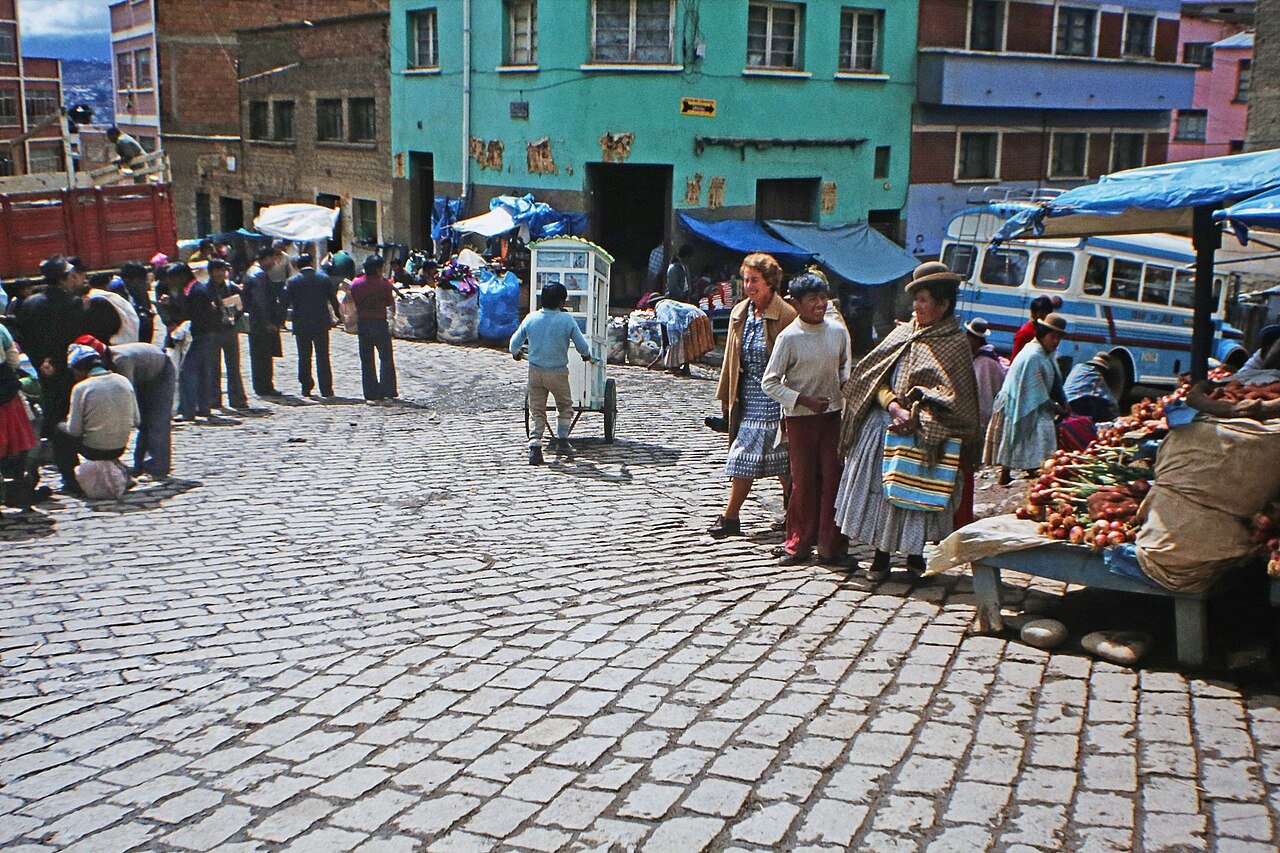
Oviedo said the whole cabinet was out explaining the decree, with ministers in Pando, Cochabamba and Santa Cruz. “We do not have major tensions and mobilisations in our country,” he said, according to Erbol.
On Monday three ministers spent about three hours in La Paz with Transporte Libre, a group of independent drivers’ unions. It ended without agreement, but both sides agreed to set up technical working groups.
Labour Minister Williams Bascopé said talks on hydrocarbons and the economy would open next week. Paz himself is in New York, where US Secretary of State Marco Rubio backed Bolivia’s IMF deal.
Santa Cruz governor Juan Pablo Velasco wants a 90-day suspension of value-added tax and the transactions tax for diesel importers and sellers. He says that could cut about Bs 2.50 a litre (about US$0.21).
Teachers, the COB and Evo Morales
The Confederation of Urban Education Workers of Bolivia (CTEUB), the urban teachers’ union, also demands repeal. It plans a national march on Wednesday 30 September in its 31 federations.
The teachers also reject the extended state of exception and the US$1.9 billion loan from the International Monetary Fund. Their leader, Miriam Ayala, objects to the crisis being loaded onto ordinary people.
The Central Obrera Boliviana (COB), the national trade union federation, called an emergency assembly on 19 September. Its call set no date or venue.
Evo Morales, president from 2006 to 2019, attacked the decree on X. The government “chose to unload the weight of the adjustment onto those who work the land”, he wrote.
His past words cut the other way. In 2023 he told the coca growers’ Radio Kawsachun Coca that “an exaggerated subsidy is cancer for our economy”, El Diario noted.
Industry backs the cut, with a warning
The Bolivian Chamber of Hydrocarbons and Energy (CBHE), which represents oil and gas companies, supports removing the subsidy. Its president, Mariano Ferrari, says the sector is in “intensive care”.
Only one drilling rig is working, against 24 or 25 more than a decade ago, El Deber reported. The chamber wants legal certainty and a new hydrocarbons law.
“If today we are talking about diesel, very soon we will be talking about gas too,” Ferrari warned. The next test of Bolivia diesel protests is whether the assembly in Santa Cruz chooses fares or the street.
More: Bolivia coverage, every day from The Rio Times.
Frequently Asked Questions
Did Bolivia declare a new national emergency over diesel?
No new emergency decree has been reported by Bolivian media or the government. Some regional outlets used that headline, but the emergency powers in force are an existing state of exception for internal unrest. It began on 20 June 2026 and Congress extended it on 17 September until 17 December 2026. Several unions have separately declared themselves “in emergency”, which is an internal alert, not a legal measure.
How much has diesel gone up in Bolivia?
Supreme Decree 5716 raised diesel from Bs 9.80 to Bs 17.95 a litre (about US$0.82 to US$1.51), a rise of 83%. The price is now tied to international quotes through an adjustment band. The state oil company YPFB says petrol prices are unchanged.
Are protests allowed under the state of exception?
Defence Minister Ernesto Justiniano says peaceful protest is allowed but road closures are not. The rules forbid blocking the transport of food, fuel and medicine. Broader limits on movement and assembly need a separate joint order from the interior and defence ministries.
Who is protesting the end of the diesel subsidy?
The national drivers’ union met in Santa Cruz on 22 September 2026, and Oruro drivers plan a march on 23 September. Urban teachers plan a national march on 30 September. The COB union federation has called an emergency assembly, and Bolivia diesel protests could widen if it sets a date.
Sources: El Deber on the talks and the security deployment, Erbol on ministers explaining Decree 5716, Erbol on the teachers’ march, Erbol on the Oruro drivers, FmBolivia on the Santa Cruz assembly, RTVU on the state of exception extension, Opinión on the El Alto strike proposal, Erbol on the drivers’ blockade warning, Opinión on the COB call, El Diario on Morales and the word cancer, EFE via ABC Color on Morales’s reaction, El Deber on the hydrocarbons chamber, NODAL on the union rejection
This article was produced by The Rio Times’ automated newsroom system. How we use AI · Report an error
In depth
Read More from The Rio Times