Argentina Searches Two Banks Over Laundering
A judge wants to know whether two banks kept proper watch over a payments firm. The searches alone do not show that either bank did anything wrong.

Argentina Banking
Argentine federal police searched four sites of two Argentine banks, Banco Hipotecario and Banco Industrial (known as Bind), in and around Buenos Aires on Friday 20 November 2026. A federal judge ordered the searches to learn whether bank staff helped a payments firm run by financier Ariel Vallejo launder money, or failed to stop it.
Vallejo is close to the president of the Argentine Football Association (AFA), the country’s football federation. Banco Hipotecario says the visit was not a raid but a procedure to hand over documents the court had requested, so the label itself is disputed.
Key Facts
- Power Index. Argentina ranks 4th of 14 in The Rio Times Latin America Power Index, with 60.2 points (November 2026 edition).
- What. Federal police searched four Banco Hipotecario and Bind sites on Friday 20 November 2026.
- Who. Judge Juan Tomás Rodríguez Ponte ordered the searches; the case centres on financier Ariel Vallejo.
- Scale. About US$1.1 billion, at today’s rate, passed through one Bind account in 2024 and 2025.
- As of. 20 November 2026, 23:50 GMT (UTC)
A judge wants to know whether two banks kept proper watch over a payments firm. The searches alone do not show that either bank did anything wrong.
The case centres on Vallejo’s company, Sur Finanzas PSP S.A., a payment service provider. Judge Juan Tomás Rodríguez Ponte of Federal Criminal and Correctional Court No. 2 in Lomas de Zamora, a city south of Buenos Aires, has processed Vallejo for illicit association and money laundering, a formal step before trial, in case FLP 29107/2025.
Argentina’s central bank, the Banco Central, has since shut down Sur Finanzas’s digital wallet. The central bank said the two banks that sponsored the wallet, Hipotecario and Bind, had decided to end their business with the firm, and Bind closed the account in November 2025 while Hipotecario’s closure remained subject to court measures.
The judge wants to know whether bank directors and employees knowingly eased the scheme or neglected their duties as “obliged parties”, firms that must watch for suspicious money and report it to the Financial Information Unit (UIF), Argentina’s anti-laundering agency. The offences under examination are money laundering, concealment and illicit association, according to the case file.
About 1.73 trillion pesos (about US$1.1 billion at the market rate of about 1,580 pesos per dollar on 20 November) passed through Sur Finanzas’s collecting sub-account at Bind between January 2024 and October 2025, the file shows. That is a large flow for one sub-account.
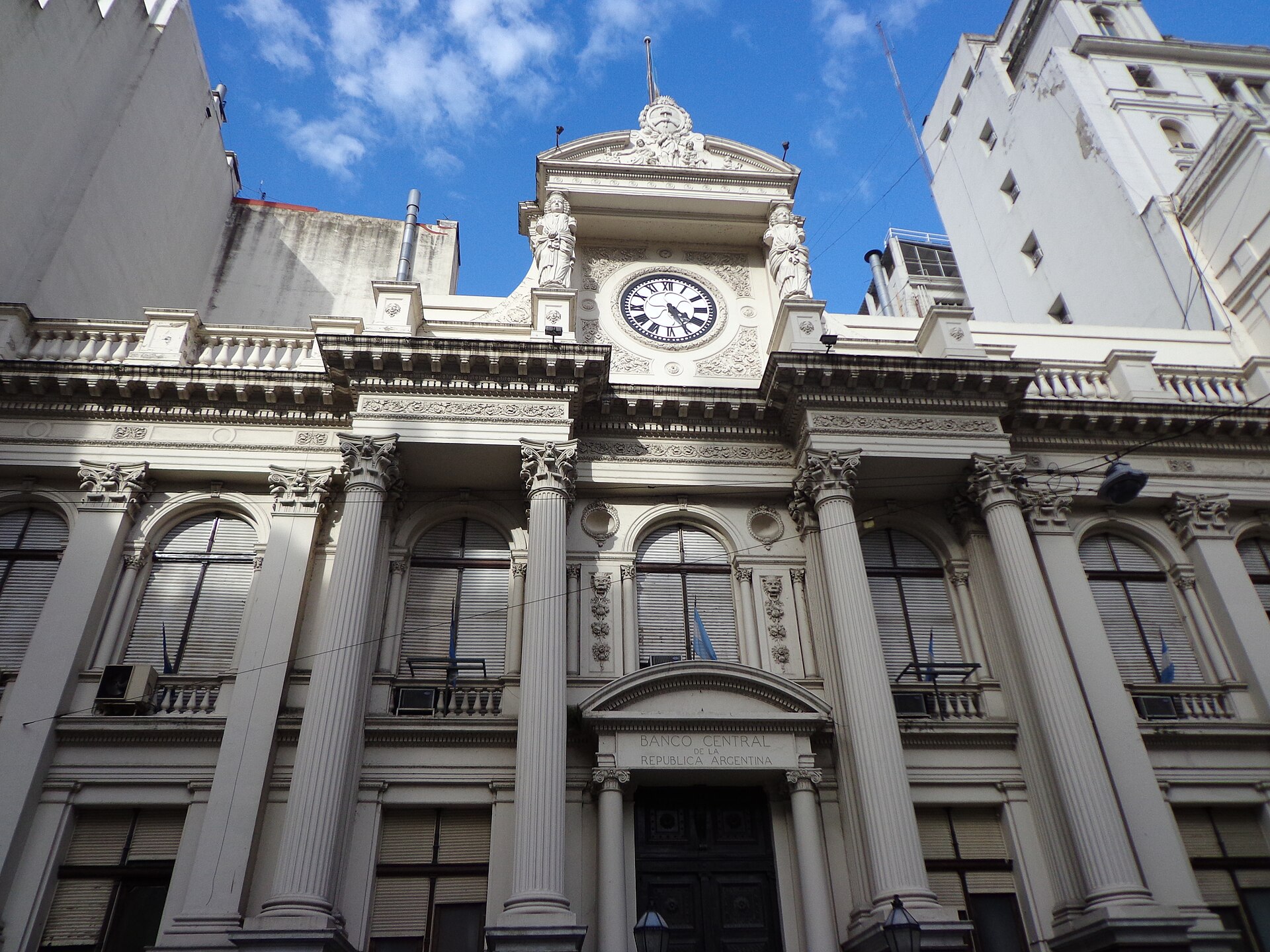
On 12 July 2024 Bind’s compliance manager told Sur Finanzas that its account would close in 60 days, but the closure was never carried out. From 11 September 2024, with the deadline passed, 1.417 trillion pesos (about US$900 million) came in through more than 15 million credits, which is 81.6% of everything the account handled.
In March 2025, eight months after ordering the closure, Bind offered Sur Finanzas new digital services, the file says. The judge also wants to know how much Bind earned from the relationship.
At Hipotecario’s head office on Reconquista street, investigators seized an external hard drive, internal emails about contacts with Sur Finanzas, client files, suspicious-transaction reports and minutes of its anti-laundering unit, according to the case file. At Bind the measures covered board minutes, records of the risk and compliance committees, internal emails and account-approval files.
Banco Hipotecario says the visit was a procedure to deliver documents the court had asked for, not a raid, and gave the same account in early November. Grupo Bind, the group that owns Banco Industrial, said in early November that it was cooperating with the court and that neither the bank nor its owners or officials are part of the complaint; no Bind statement on the 20 November searches has been published.
For a US investor or a US bank with exposure to Argentina, the case shows judges looking at the banks that carry payment firms, not only at the firms. Any finding of failed checks could lead to penalties, though none has been announced.
The next step is the analysis of the seized material, and no hearing date has been published. Vallejo was arrested in October 2026, and the searches are an investigative step, not a ruling.
Frequently Asked Questions
Did police raid Banco Hipotecario?
Federal police carried out searches at Banco Hipotecario sites on 20 November 2026. The bank says it was a procedure to hand over documents the court had asked for, not a raid.
Are the banks accused of laundering money?
The judge is examining whether bank staff helped or failed to stop the laundering for which Ariel Vallejo has been processed. A search does not establish wrongdoing by either bank.
Has Ariel Vallejo been convicted?
No. He has been processed, a formal step before trial, and the case is still at the investigation stage.
Sources
Federal Criminal and Correctional Court No. 2 of Lomas de Zamora, case FLP 29107/2025, as described in the case file on 20 November 2026; Banco Central de la República Argentina notice on Sur Finanzas PSP S.A.; Banco Hipotecario statement on the procedure of 20 November 2026.
This article was produced by The Rio Times’ automated AI newsroom. Editorial responsibility: Matthias Camenzind, Publisher and Editor-in-Chief. The Rio Times also runs Ask Rio Times, which answers from 100,000+ of our own articles, the daily Latin America Power Map, and prediction-market odds on elections and markets.. How we use AI · Report an error