Western Cape Councils Race to Pick Mayors
Cape Town has a clear governing majority, while the province’s smaller councils must build coalitions seat by seat.
Politics: South Africa
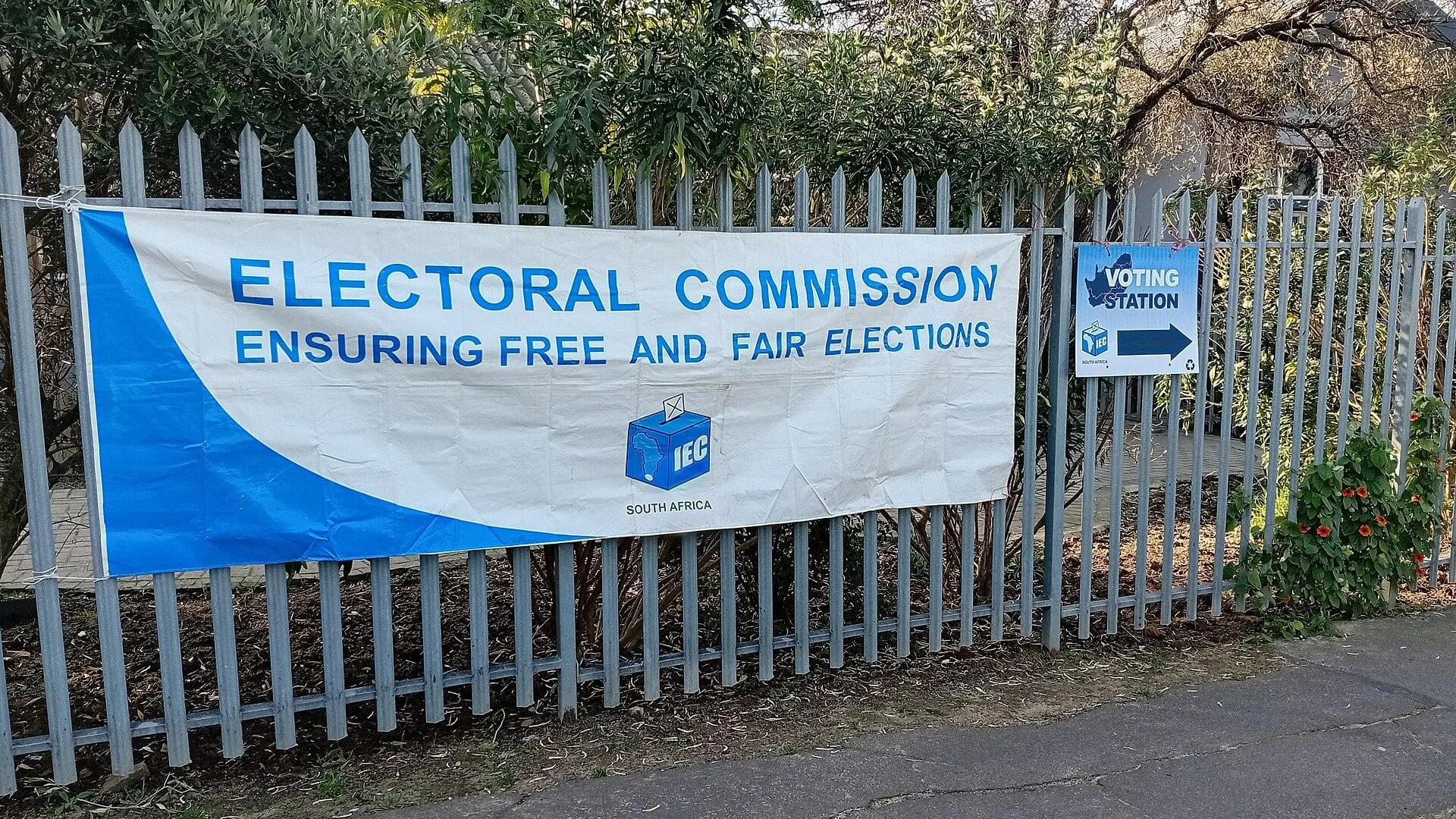
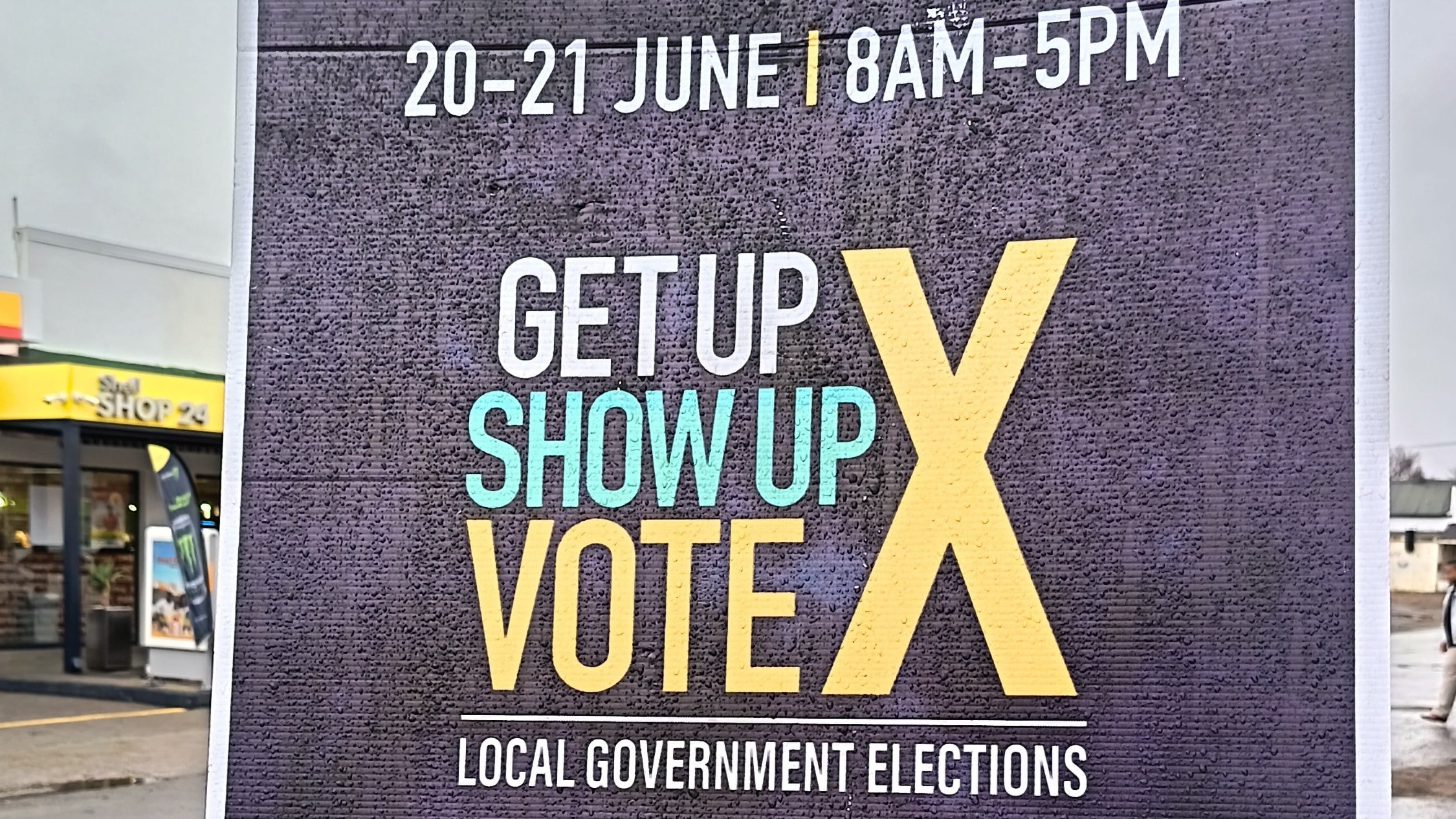
Across South Africa’s Western Cape, council after council is trying to choose a mayor without a clear winner. Sixteen of the province’s 25 municipalities came out of the 4 November 2026 local elections hung, meaning no party holds a majority of seats.
Cape Town, the province’s only metropolitan council (a big-city municipality), re-elected its Democratic Alliance (DA) mayor on Thursday 19 November. In Laingsburg, a small town in the dry Karoo interior, ActionSA, a national party, won its first Western Cape mayor on Tuesday 17 November.
Key Facts
- Who. Western Cape councils, where no party has a majority and coalitions pick mayors.
- What. Sixteen of 25 councils have no majority party (are hung) after the 4 November 2026 elections.
- When. Councils must hold first meetings by Friday 27 November 2026, the minister says.
- Open. Which parties will govern the councils that have not yet met.
- As of. Tuesday 24 November 2026, 19:30 GMT
Cape Town has a clear governing majority, while the province’s smaller councils must build coalitions seat by seat.
Michael Hendrickse, the Western Cape electoral officer of the Electoral Commission of South Africa (IEC), the body that runs elections, said on 7 November 2026 that capturing and auditing of all results was complete. By 6 November, 16 of the province’s 25 municipalities had been declared hung, which means no party holds more than half of the seats.
The Municipal Structures Act, the national law that governs councils, says a new council must hold its first meeting within 14 days of being declared elected. Cooperative Governance and Traditional Affairs Minister Velenkosini Hlabisa said on 18 November that municipalities must convene their councils no later than 27 November, 14 days after the IEC published the lists of councillors on 13 November.
At that first meeting the council elects its speaker, who chairs sittings, and its mayor. The municipal manager, the senior official who runs a council’s administration, calls the meeting.
In a hung council, parties trade support for posts such as mayor, deputy mayor and speaker. A party with only a few seats can therefore decide who governs.
Grant Twigg, a member of the DA’s provincial executive committee, said on 6 November that the weekend would be spent on coalition talks, with no preferred partners. “Residents and the voters have spoken,” he said.
Twigg also addressed his party’s losses in some areas, saying he does not “necessarily think we’ve done too badly.” By 6 November the DA was in full control of only seven councils outside the City of Cape Town. Cape Town was the exception.
The DA entered the inaugural sitting on 19 November with 133 of the 235 council seats, well above the 118 needed for a majority, and it holds the only outright majority among South Africa’s metros, its big-city municipalities. Cape Town mayor Geordin Hill-Lewis of the DA was inaugurated for a second term as the city’s ninth mayor since democracy.
Felicity Purchase was re-elected Speaker and Xanthea Limberg was elected deputy mayor. In his inaugural address on 19 November, Hill-Lewis made housing a priority. “We will do all that we can to move people out of informal settlements and into dignified homes,” he said.
Laingsburg shows the other side of the count. On Tuesday 17 November, Beverley Vorster of ActionSA was elected mayor of the municipality, whose council has 10 seats.
ActionSA led the vote with 26.6% and holds three of the 10 seats, but a party needs six for a majority. The Patriotic Alliance (PA), another party on the council, backed its mayoral candidate.
Dereleen James, ActionSA’s Western Cape chairperson, described Vorster as “our first ActionSA mayor in the Western Cape”. Laingsburg lies in the Central Karoo district.
The outcome in the councils that had not met by Tuesday 24 November is not yet known. Nor is it clear which partners the DA and other parties will choose in the hung councils.
For residents and for investors following South African politics, each coalition decides who controls local budgets and services for the term ahead. The next fixed point is Friday 27 November, the date by which councils must meet.
Frequently Asked Questions
What is a hung council?
A council in which no party holds a majority of seats, so parties must agree to work together to elect a mayor. The result is a coalition, formal or informal.
Why does 27 November matter?
It is the date by which the minister says councils must hold their first meeting, where the speaker and mayor are chosen. The law itself counts 14 days from a council being declared elected.
Does Cape Town need a coalition?
No, because the DA holds a majority of seats on its own. That makes the city the contrast with the province’s hung councils.
More: South Africa news.
Sources: Electoral Commission of South Africa (IEC) results and notices, 8 and 13 November 2026; City of Cape Town, council inaugural sitting, 19 November 2026; Municipal Structures Act, 1998, section 29; statements of ActionSA, 17 November 2026; statements of the Democratic Alliance, 6 November 2026; statement of Cooperative Governance and Traditional Affairs Minister Velenkosini Hlabisa, 18 November 2026.
This article was produced by The Rio Times’ automated AI newsroom. Editorial responsibility: Matthias Camenzind, Publisher and Editor-in-Chief. The Rio Times also runs Ask Rio Times, which answers from 100,000+ of our own articles, the daily Latin America Power Map, and prediction-market odds on elections and markets.. How we use AI · Report an error