Durban Port Clears 18 of 41 Medicine Loads
Some urgent medicine cargo is moving again at Durban, but most of the health department's list has not yet cleared.

Economy: South Africa
Transnet, South Africa’s state-owned freight and ports company, said in a statement on Monday 23 November 2026 that 18 of 41 urgent pharmaceutical containers have been cleared at Durban and delivered to their destinations. Another 7 are expected in the country between 23 November and 2 December, and 16 have not yet been nominated by their shipping line for berthing.
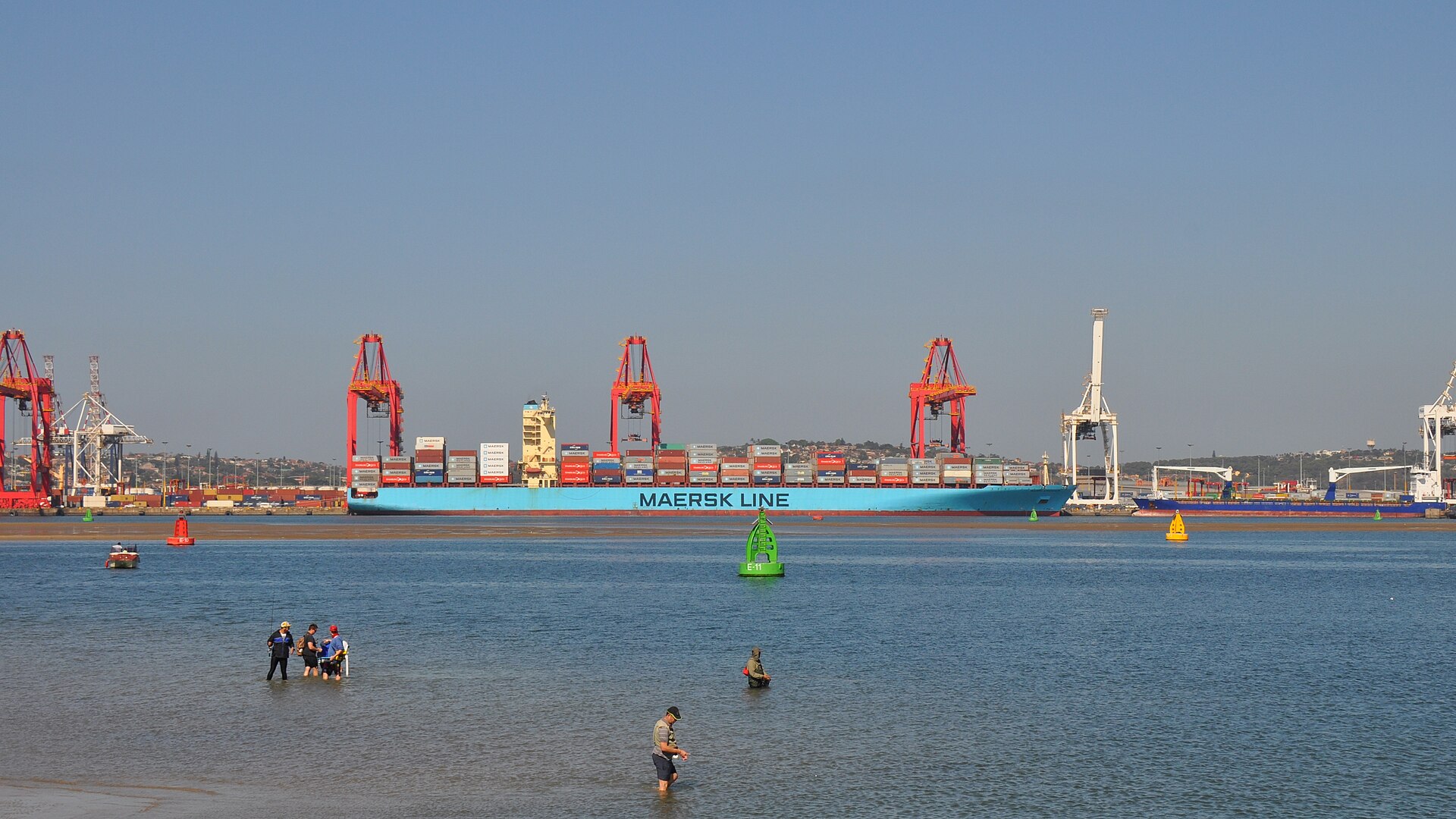
The health department supplied the list after medicine shipments stalled at Durban Gateway Terminal (DGT), the port’s main container terminal. DGT is run by ICTSI (International Container Terminal Services), a Philippines-based operator, under a concession in which Transnet remains a partner.
Key Facts
- Who. Transnet, South Africa’s state freight and ports company, and the national health department.
- What. Urgent medicine cargo is moving again, but most of the health department’s list is still waiting.
- Where. Durban Gateway Terminal, the container terminal run by Philippines-based operator ICTSI.
- As of. 23 November 2026.
Some urgent medicine cargo is moving again at Durban, but most of the health department’s list has not yet cleared.
DGT began operating under a 25-year concession in January 2026, and problems with its new IT control system have caused bottlenecks and backlogs. The freight forwarders’ association says the terminal handles almost half of South Africa’s container freight, so its delays reach well beyond medicine.
An industry association of freight forwarders has warned that the crisis is choking supply chains. Metair Investments, a car-parts maker, said it may have to consider force majeure (a clause that excuses missed contracts) over port congestion.
On Wednesday 18 November 2026, Thembisile Xulu, the health department’s director-general, told Parliament’s health committee that Health Minister Aaron Motsoaledi had appealed to Transport Minister Barbara Creecy to help release 30 medicine shipments held at the Durban terminal. Transnet had agreed to prioritise medicines but could not release all 30 at once, Xulu said.
Officials gave Transnet a list of the most critical shipments on Monday 16 November. The Transnet figure of 41 containers on 23 November differs from the 30 shipments Xulu cited on 18 November, and no source reconciles the two.
Xulu said the department’s “hotlist” of products at risk of running out had more than doubled since May, reaching 184 on 16 November. Of those, 67 had been on the list for more than three months, and delayed drugs include antibiotics and medicines for high cholesterol, high blood pressure and stomach ulcers.
Xulu also named causes beyond the port: stronger enforcement by the medicines regulator, the South African Health Products Regulatory Authority (Sahpra), and supply disruption from the conflict in the Strait of Hormuz. Some suppliers have also halted deliveries to the Northern Cape, Eastern Cape and North West provincial health departments over unpaid bills.
Creecy said on 18 November that Transnet had announced urgent measures that evening. They include diverting geared vessels (ships with their own cranes) to Berth 102 in Durban, sending selected vessels to the Ngqura container terminal near Gqeberha, and offering shipping lines rail transport of containers to Gauteng, the province around Johannesburg.
Another priority, Creecy said, is to unload the 18 vessels carrying medicine containers. “I’m not going to stop until this gets resolved,” she said.
Creecy said one driver of the delays is the terminal’s new Navis N4 operating system (software that plans and tracks container movements). The owner of ICTSI told her the company is “scouring the world” for additional straddle carriers, the machines that move containers around a terminal.
In its 23 November statement Transnet said: “Transnet and DGT have since worked closely to monitor and prioritise the movement of these shipments.” In line with the measures announced on 18 November, it added, berthing and discharging urgent pharmaceutical cargo at alternative terminals continues to be considered where necessary.
The Western Cape government said on 29 October 2026 that its provincial Health Minister, Mireille Wenger, had written to Creecy asking for urgent help removing bottlenecks at ports, particularly Durban harbour. “Every unnecessary delay in getting medicines into the country is another delay in getting them to the patients who need them,” Wenger said.
Wenger noted that imported medicines must pass quality testing that takes three to four weeks after arrival. She listed manufacturing constraints, international shipping disruptions, supplier backorders, procurement challenges and regulatory delays as other causes of shortages.
Transnet has not said when the 16 containers without berth nominations will be berthed, and no figure has been published on what the delay means for hospital stock levels. The next dated step is 2 December, the end of the window in which Transnet expects 7 more containers to arrive.
See also: Why Guinea Expelled Foreign Gold Miners.
More: South Africa news in English, every day from The Rio Times.
Frequently Asked Questions
Why are medicines stuck at Durban?
Congestion at the port’s main container terminal, linked to problems with its new IT system, has slowed all cargo. Medicines are among the goods caught in the queue.
Is the port the only reason for medicine shortages?
No. Health officials also pointed to stricter regulation, the conflict around the Strait of Hormuz and unpaid supplier bills.
What happens to urgent cargo that cannot berth at Durban?
Transnet says it is considering other terminals and rail transport for urgent medicine cargo where necessary. Which containers will use those routes has not been announced.
Living in or visiting Durban? See this month's events and our Durban city guide with rents, safety and upcoming concerts.
Sources
Transnet statement of 23 November 2026; South African Parliament portfolio committee on health, 18 November 2026; Transport Minister Barbara Creecy, 18 November 2026; Western Cape Government, 29 October 2026
This article was produced by The Rio Times’ automated AI newsroom. Editorial responsibility: Matthias Camenzind, Publisher and Editor-in-Chief. The Rio Times also runs Ask Rio Times, which answers from 100,000+ of our own articles, the daily Latin America Power Map, and prediction-market odds on elections and markets.. How we use AI · Report an error
Connected Coverage
South Africa news · Court Orders Transnet to Pay US$47,000 · Durban Fuel Hub Opens to New Companies