IBOV 177,418.78 ▲ 1.00% IPSA 11,315.26 ▼ 1.14% IPC MEX 65,048.39 ▼ 0.67% MERVAL 3,033,848 ▲ 1.83% COLCAP 2,425.08 ▼ 1.33% BVL PERÚ 59,928.30 ▼ 0.80% USD/BRL5.18▼ 0.18% USD/MXN17.00▼ 0.22% USD/CLP933.85▲ 0.25% USD/COP3,219▲ 0.60% USD/PEN3.36▲ 0.37% USD/ARS1,509▼ 0.28% USD/UYU40.29▲ 0.05% USD/PYG5,892▼ 0.13% USD/BOB11.84▲ 0.51% USD/DOP58.69▲ 0.14% USD/CRC446.47▼ 0.04% USD/GTQ7.62▼ 0.02% USD/HNL26.84— 0.00% USD/NIO36.62— 0.00% USD/VES796.33▲ 0.29% USD/PAB1.00— 0.00% USD/BZD2.00— 0.00% USD/JMD 157.28 — 0.00% USD/TTD6.69▼ 0.37% EUR/BRL6.02▼ 0.15% BRENT 88.88 ▼ 0.03% WTI 83.11 ▼ 0.11% IRON ORE 161.91 — — COPPER 6.61 ▲ 0.03% GOLD 4,461 ▲ 1.78% SILVER 65.59 ▲ 1.26% SOY 1,184 ▲ 3.20% CORN 480.50 ▲ 10.02% WHEAT 655.00 ▲ 3.93% COFFEE 317.25 ▼ 5.51% SUGAR 16.43 ▼ 1.79% ORANGE JUICE 138.55 ▼ 0.47% COTTON 85.03 ▲ 2.33% COCOA 5,719 ▲ 3.18% BEEF 223.60 ▼ 3.93% CATTLE 339.10 ▼ 3.16% LITHIUM 75.20 ▲ 1.47% PETR4 41.64 ▼ 0.05% VALE3 72.97 ▲ 0.83% ITUB4 38.60 ▼ 1.03% BBDC4 16.85 ▲ 0.36% ABEV3 14.89 ▼ 0.80% BBAS3 19.37 ▲ 0.47% B3SA3 14.26 ▼ 0.21% WEGE3 47.59 ▲ 0.49% PRIO3 59.14 ▼ 0.19% SUZB3 41.33 ▲ 2.35% RENT3 34.68 ▼ 0.09% AZZA3 15.89 ▼ 2.63% CSAN3 3.22 ▼ 1.83% RAIZ4 0.25 — 0.00% PCAR3 2.75 ▼ 0.36% GMAT3 3.65 ▼ 1.08% PSSA3 48.13 ▼ 0.54% CVCB3 1.33 ▼ 2.92% POSI3 3.36 ▲ 2.44% SLCE3 13.34 ▲ 0.30% NATU3 8.14 ▼ 0.73% IBOV 177,418.78 ▲ 1.00% IPSA 11,315.26 ▼ 1.14% IPC MEX 65,048.39 ▼ 0.67% MERVAL 3,033,848 ▲ 1.83% COLCAP 2,425.08 ▼ 1.33% BVL PERÚ 59,928.30 ▼ 0.80% USD/BRL 5.16 ▲ 0.01% USD/MXN 17.06 ▼ 0.24% USD/CLP 913.98 ▲ 0.04% USD/COP 3,140 ▲ 0.03% USD/PEN 3.36 ▼ 0.66% USD/ARS 1,493 ▲ 0.10% USD/UYU 40.27 ▲ 1.24% USD/PYG 5,939 ▲ 1.68% USD/BOB 11.64 ▼ 0.76% USD/DOP 58.34 ▲ 1.25% USD/CRC 445.92 ▲ 0.89% USD/GTQ 7.62 ▲ 2.21% USD/HNL 26.79 ▲ 1.57% USD/NIO 36.62 ▲ 0.69% USD/VES 762.44 ▼ 0.13% USD/PAB 1.00 — 0.00% USD/BZD 2.00 — 0.00% USD/JMD 157.28 — 0.00% USD/TTD 6.70 ▲ 0.61% EUR/BRL 5.95 ▲ 1.01% BRENT 88.88 ▼ 0.03% WTI 83.11 ▼ 0.11% IRON ORE 161.91 — — COPPER 6.61 ▲ 0.03% GOLD 4,461 ▲ 1.78% SILVER 65.59 ▲ 1.26% SOY 1,184 ▲ 3.20% CORN 480.50 ▲ 10.02% WHEAT 655.00 ▲ 3.93% COFFEE 317.25 ▼ 5.51% SUGAR 16.43 ▼ 1.79% ORANGE JUICE 138.55 ▼ 0.47% COTTON 85.03 ▲ 2.33% COCOA 5,719 ▲ 3.18% BEEF 223.60 ▼ 3.93% CATTLE 339.10 ▼ 3.16% LITHIUM 75.20 ▲ 1.47% PETR4 41.64 ▼ 0.05% VALE3 72.97 ▲ 0.83% ITUB4 38.60 ▼ 1.03% BBDC4 16.85 ▲ 0.36% ABEV3 14.89 ▼ 0.80% BBAS3 19.37 ▲ 0.47% B3SA3 14.26 ▼ 0.21% WEGE3 47.59 ▲ 0.49% PRIO3 59.14 ▼ 0.19% SUZB3 41.33 ▲ 2.35% RENT3 34.68 ▼ 0.09% AZZA3 15.89 ▼ 2.63% CSAN3 3.22 ▼ 1.83% RAIZ4 0.25 — 0.00% PCAR3 2.75 ▼ 0.36% GMAT3 3.65 ▼ 1.08% PSSA3 48.13 ▼ 0.54% CVCB3 1.33 ▼ 2.92% POSI3 3.36 ▲ 2.44% SLCE3 13.34 ▲ 0.30% NATU3 8.14 ▼ 0.73%
since 2009
Tuesday, September 1, 2026

World-News South Asia & India

Tourist Massacre in Kashmir Fuels Diplomatic Crisis and Economic Risks for India and Pakistan

By · April 24, 2025 · 2 min read

Daily Brief

The morning intel from across Latin America. Free.

By subscribing you agree to our privacy policy. We never share your email.

News agencies report that the April 22 attack in Pahalgam, Kashmir, killed 26 tourists, with 25 Indians and one Nepali among the victims. Gunmen targeted travelers in a remote valley, accusing them of supporting Indian Prime Minister Narendra Modi before opening fire.

The Resistance Front, a group tied to Lashkar-e-Taiba, claimed responsibility, citing grievances over demographic changes in the region. Indian authorities identified three of the four suspects, two as Pakistani nationals and one as a local Kashmiri, all linked to Lashkar-e-Taiba.

India responded with sweeping measures. Authorities closed the main land border with Pakistan, suspended the Indus Waters Treaty, expelled Pakistani diplomats, and ordered all Pakistani citizens to leave India within 48 hours.

The government also reduced its diplomatic presence in Islamabad and banned Pakistani entry under the SAARC visa exemption program. Security forces increased their presence in Kashmir and major Indian cities.

Pakistan denied involvement and called the measures “immature and hasty.” Islamabad retaliated by suspending visas for Indian nationals, expelling Indian diplomats, and closing its airspace to Indian aircraft.
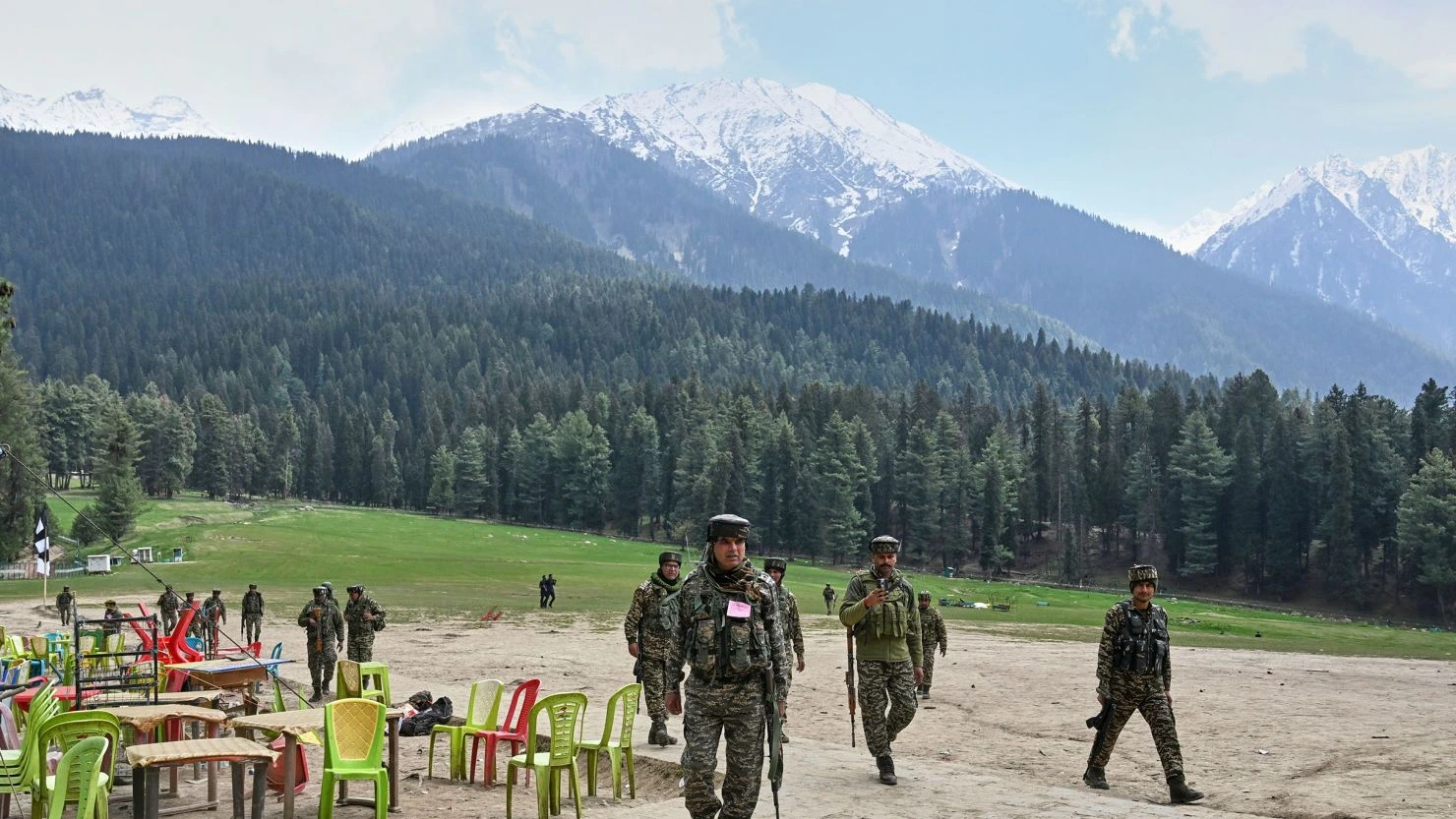
Tourist Massacre in Kashmir Fuels Diplomatic Crisis and Economic Risks for India and Pakistan
Tourist Massacre in Kashmir Fuels Diplomatic Crisis and Economic Risks for India and Pakistan. (Photo Internet reproduction)
One-stop reference
Company Intelligence
Every listed company in Latin America — financials, ownership and structure for 1,450+ companies across 26 exchanges, in one place.
Browse the directory →
RT
Ask Rio Times
17 years of Latin America reporting, on demand.
Open the full Ask Rio Times →

Pakistani leaders demanded a credible investigation and warned that India’s actions, especially the treaty suspension, threatened regional stability. The Indus Waters Treaty, signed in 1960, regulates water sharing from the Indus River basin.

India-Pakistan Water Tensions Threaten Regional Stability

India provides about 80% of the basin’s water to Pakistan. Hydropower plants like Tarbela and Mangla rely on these flows. The treaty’s suspension could disrupt Pakistan’s agriculture and energy sectors, which are already under strain.

Over 60% of Pakistan’s GDP is debt-ridden, and the country imports nearly 19 million tons of coal annually to offset energy shortfalls. Any reduction in water flow could worsen unemployment and GDP figures, further destabilizing Pakistan’s economy.

Both countries have a long history of conflict over Kashmir, with four wars since 1947 and frequent accusations of cross-border terrorism. The current crisis raises fears of military escalation between two nuclear-armed states.

Indian leaders face internal pressure for a strong response, while Pakistani officials warn that any interference with water supplies could be seen as an act of war.

The attack and its aftermath have rattled local economies, especially tourism in Kashmir, and threaten broader trade and energy stability in South Asia. Both governments show little sign of backing down, leaving the region on edge and investors wary of further disruption.

This article was produced by The Rio Times’ automated newsroom system. How we use AI · Report an error

Read More from The Rio Times

The Rio Times · Power Map
See who really holds power in Latin America
Click to open the Power Map

Rotate for Best Experience

This report is optimized for landscape viewing. Rotate your phone for the full experience.