Bomb Attack in Southern Colombia Exposes Fragile Security and Business Risks
On April 17, 2025, a bomb hidden in a motorcycle exploded outside the police station in La Plata, Huila, Colombia, as locals were leaving Holy Thursday church services.
The blast killed two civilians and wounded at least 21 people, including 12 women, 4 men, and 5 minors. The explosion caused a fire and damaged nearby businesses, including the Coonfie cooperative, and left the community in panic as smoke filled the area.
Authorities have not officially named the perpetrators, but the region remains a stronghold for FARC dissident groups. The attack targeted a civilian area during a religious holiday, amplifying its impact and disrupting daily life.
Videos circulating on social media captured the chaos, showing residents fleeing and emergency services responding. Among the injured were children and a police officer, highlighting the indiscriminate nature of the violence.
In addition, the blast damaged commercial establishments, raising concerns about the safety of local businesses and the economic stability of the town. The incident forms part of a broader escalation of violence in southern Colombia.
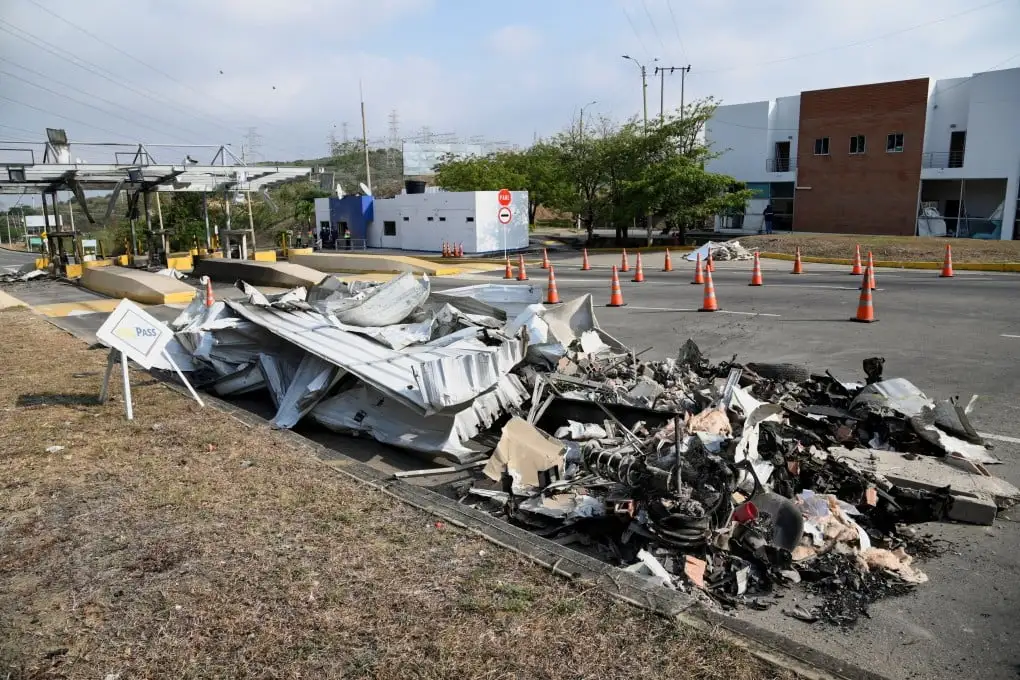
Earlier the same day, a car bomb exploded near a police post in Mondomo, Cauca, killing at least one person and injuring several others. Authorities attribute these attacks to FARC dissidents, who have increased their operations in response to recent government offensives.
Rising Violence in Colombia Threatens Regional Stability
The Colombian military recently killed Jhon Medina, known as “Tornillo,” a key financial operator for the dissidents, which may have triggered retaliatory attacks. The violence exposes persistent security gaps in Colombia’s rural south.
Armed groups continue to challenge state authority, using terror tactics to control territory and intimidate communities. The attacks disrupt commerce, threaten investment, and undermine confidence in the region’s stability.
Local politicians and business leaders have condemned the violence, calling for stronger security measures and support for affected families and enterprises. The bombings in Huila and Cauca highlight the risks facing businesses operating in conflict-affected areas.
Companies must navigate a volatile environment where armed groups target both public institutions and private sector assets. The attacks demonstrate the urgent need for improved security and an effective state presence.
This is essential to protect civilians and economic activity. This sequence of events underscores the fragile balance between security and commerce in Colombia’s conflict zones.
The ongoing threat from armed groups remains a critical concern for local communities, investors, and the broader Colombian economy. All reported figures and facts are based on official local sources and eyewitness accounts.
More: Colombia news in English, every day from The Rio Times.
This article was produced by The Rio Times’ automated newsroom system. How we use AI · Report an error · Editorial responsibility: Matthias Camenzind, Editor-in-Chief