TAIWAN · ANALYSIS
Key Facts
- —What happened China’s maritime safety offices set five live-fire zones starting 12 October 2026, from the Bohai Sea to the South China Sea; none lies in the Taiwan Strait.
- —The numbers About US$2.45 trillion of goods transited the strait in 2022, and Taiwan’s exports reached US$87.22 billion in September 2026, up 60.9% year on year.
- —What to watch Whether no-sail zones are placed directly across the Taiwan Strait, whether insurers treat ordinary strait transit as a restricted voyage, and whether carriers invoke war-risk clauses or suspend services.
- —What it means for you A US importer of electronics, machinery or semiconductors could face higher container rates, longer lead times and war-risk surcharges even without a formal blockade, because insurers and carriers reprice uncertainty before any physical disruption occurs.
China has set five coastal live-fire zones starting 12 October 2026, none of them in the Taiwan Strait, so ships can still use the strait. For a US reader, the practical question is not whether a blockade happens tomorrow, but how quickly war-risk insurance, container rates and semiconductor supply chains could reprice if such zones ever moved closer.
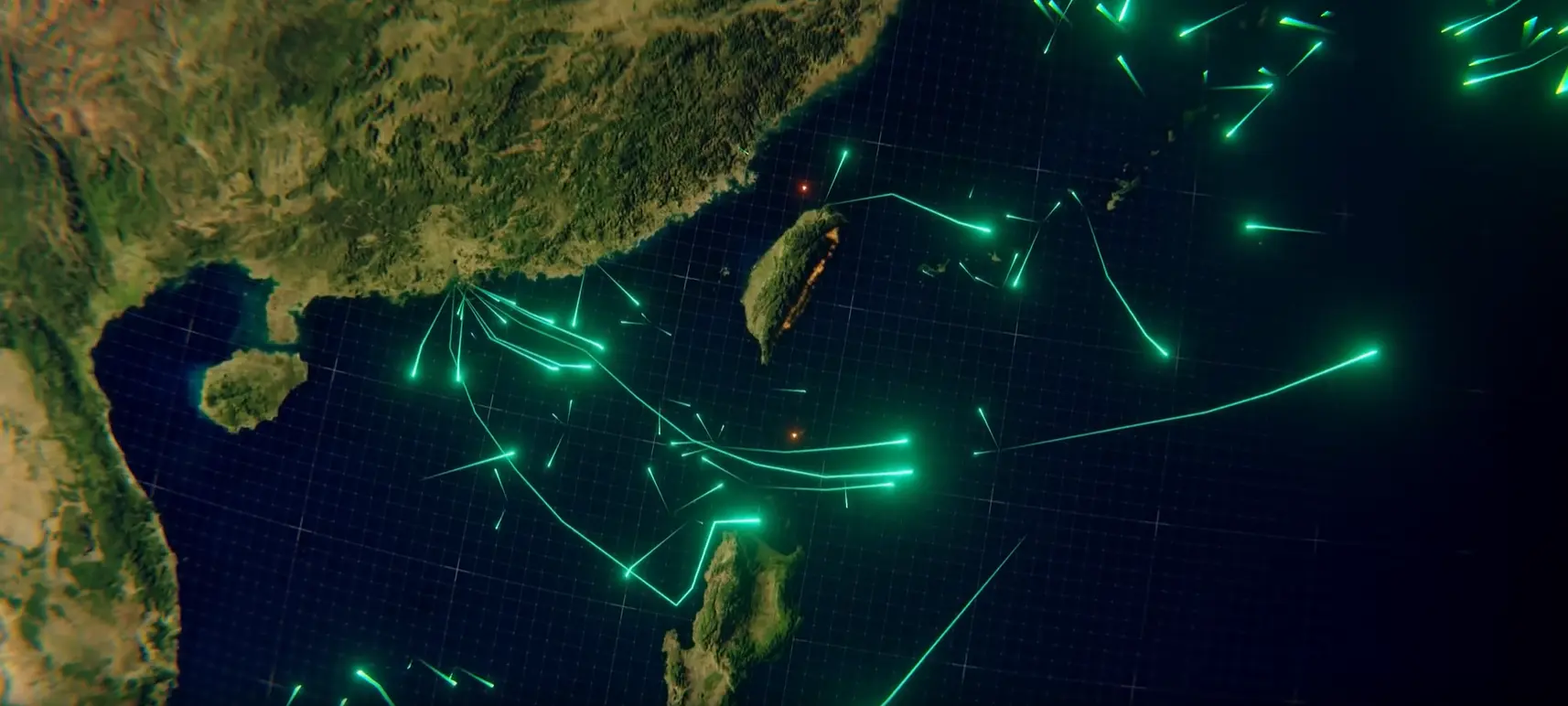
The Taiwan Strait is one of the world’s most concentrated commercial waterways, connecting the manufacturing hubs of China, Taiwan and Northeast Asia with global markets. This analysis explains what the October 2026 live-fire zones mean for shipping, insurance, US ports and Latin American commodity exporters, drawing on the Asia Intelligence Brief published by The Rio Times on October 12, 2026.
What Is Happening and How We Got Here
China’s regional maritime safety offices issued navigation warnings for five live-fire zones for about a week from 12 October 2026. The zones lie in the Bohai Sea, the Yellow Sea, the East China Sea and the South China Sea, and none lies in the Taiwan Strait.
The warnings came in the same week as President Lai Ching-te’s National Day speech on Saturday 10 October, in which he said Taiwan cherishes peace but will not give up its freedom. China condemned the speech but has not said whether the zones are a response.
On Monday 12 October, Defence Minister Wellington Koo said Taiwan’s preliminary assessment was that the activity consisted of firing drills by coastal artillery and related units. He added that Taiwan would keep monitoring the drills closely.
China has not given the exercises a name or said whether the five zones are linked. We found no reaction from insurers or freight markets to these zones so far.
A notice of this kind does not close the strait, but it shows how Beijing can force commercial operators to weigh uncertainty before they sail.
The Numbers That Matter
The Taiwan Strait is not merely a political fault line. It is a commercial artery whose scale is difficult to overstate, and the figures below measure different things and should not be conflated.
- About US$2.45 trillion of goods in 2022, over one-fifth of global maritime trade, according to the Center for Strategic and International Studies (CSIS).
- Taiwan’s exports reached a record US$87.22 billion in September 2026, up 60.9% year on year, according to Taiwan’s Ministry of Finance.
- About US$1.3 trillion of Chinese trade crossed the Taiwan Strait in 2024, about a third more than passed through the Strait of Malacca, according to CSIS.
The trade-value estimate counts goods passing through a chokepoint, not necessarily goods destined for Taiwan or China. The strait is particularly important because it sits alongside major industrial and port systems in southern China, Taiwan and northeast Asia.
Alternative routes exist, including routes east of Taiwan or farther south through the Luzon Strait, but they add sailing time, fuel consumption, congestion risk and scheduling complexity. That added time is the first cost a closure would impose.
The Actors and What Each Wants
The principal actors in this episode are not only governments. They include insurers, carriers, port operators and the buyers of Asian manufactured goods, each of whom responds to the same signals at different speeds.
China’s Maritime Safety Administration is the civilian regulator that issues no-sail notices designating geographic areas and time windows in which civilian vessels are instructed not to enter because live firing, missile activity, naval manoeuvres or other hazards may occur. A no-sail notice is not automatically a blockade and does not, by itself, close the Taiwan Strait.
Taiwan’s Ministry of National Defence, led by Minister Wellington Koo, is responsible for Taiwan’s armed forces and military response to People’s Liberation Army exercises. Its public posture in October 2026 was one of monitoring and preparation rather than alarm.
War-risk underwriters are the private insurers who decide whether a voyage into a given area requires an additional premium. They can reprice risk before any physical disruption occurs, and their decisions determine whether costs spread beyond the immediate exercise zones.
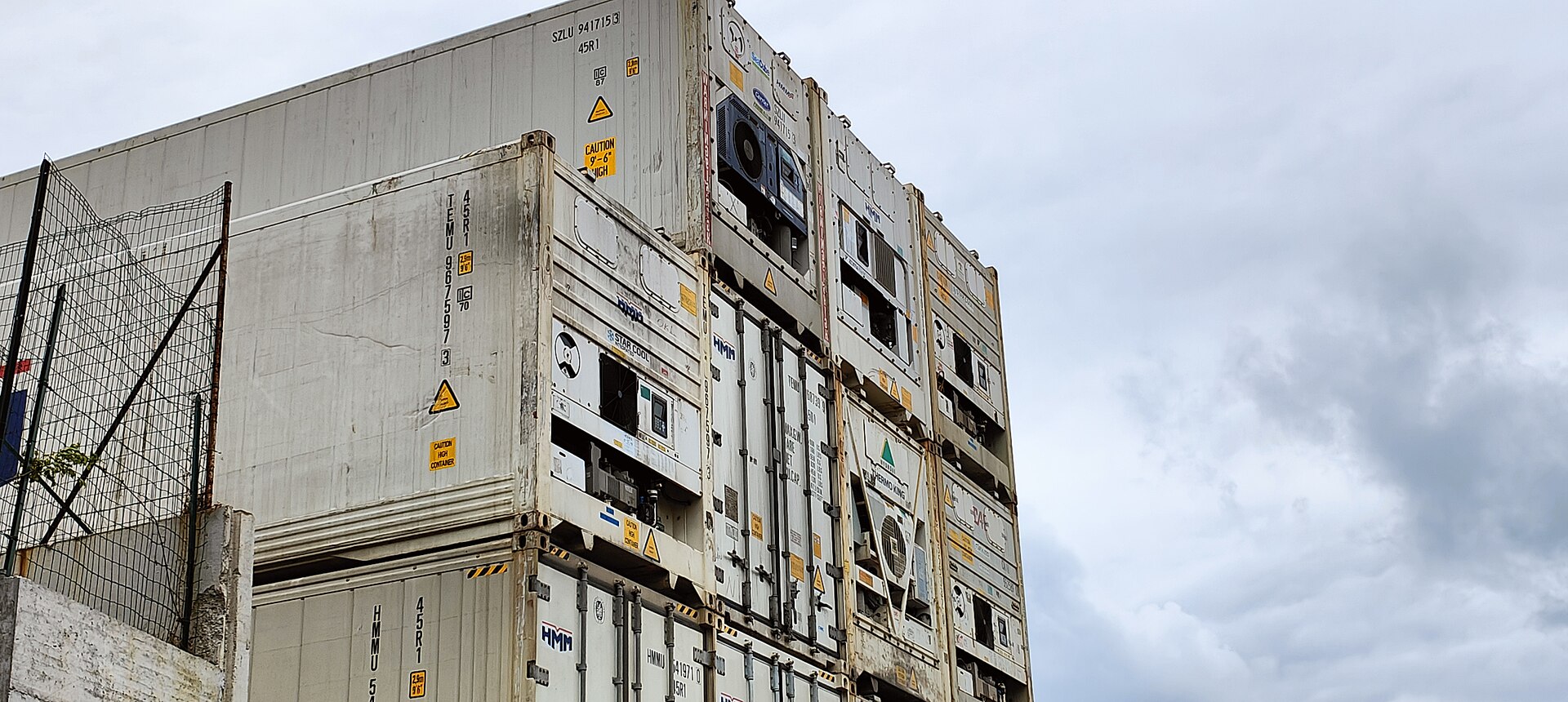
Container carriers operate the scheduled services that move electronics, machinery and consumer goods across the Pacific. They respond to uncertainty by adding buffer time, imposing surcharges, blanking sailings or rerouting vessels, all of which reduce effective capacity and raise freight rates.
The Economic and Business Stakes
A Taiwan Strait closure would not destroy the strait’s annual trade overnight. It would expose that commerce to delay, repricing or diversion, and the cost would be distributed unevenly across industries and regions.
The direct cost of rerouting would be only one component. A closure would also create longer voyages and higher bunker-fuel consumption, lost vessel capacity because ships spend more days at sea, port omissions, blank sailings and equipment imbalances.
Congestion at alternative Chinese, Japanese, Korean and Southeast Asian ports would follow, along with higher working-capital requirements for importers, penalties and disputes under delivery contracts, and additional airfreight demand for high-value or time-sensitive goods.
Insurance could reprice faster than physical freight. A formal blockade is not necessary for underwriters to raise war-risk premiums: expanding exclusion zones, missile launches, naval confrontation or uncertainty over whether a vessel may safely approach Taiwan and southern Chinese ports can be enough.
The likely sequence would be war-risk underwriters reviewing affected voyages, premiums rising for vessels entering the wider operating area, insurers imposing tighter warranties or voyage-by-voyage approval, shipowners passing the cost through freight surcharges, and charterers and cargo owners facing disputes over who bears delay, deviation and storage costs.
US Chips, Ports and Container Rates
The United States would be exposed through three channels: semiconductors, port operations and container rates. Each would respond on a different timeline.
Semiconductors. Taiwan is central to the production of advanced chips and to the wider semiconductor supply chain. A shipping disruption would affect imported finished components, semiconductor manufacturing inputs and equipment flows, even if chip factories continued operating.
US ports. A disruption would not necessarily mean that every US port loses cargo immediately. The more likely first-stage effects would be schedule unreliability, vessel bunching, missed transshipments and changes in carrier networks, with West Coast ports seeing irregular arrivals from Asia and East Coast and Gulf ports facing additional cargo if carriers divert services or importers shift routing.
Container rates. Rerouting removes effective vessel capacity because ships spend longer on each round trip. Carriers could respond with emergency surcharges, war-risk surcharges, blank sailings or temporary service suspensions, with rates likely to rise most sharply on lanes connected to Taiwan, southern China and Northeast Asia.
A brief exercise could produce a short-lived premium. A closure lasting weeks would be more serious because rates would reflect not merely fear but a measurable reduction in available capacity.
What It Means for Latin America
Latin America’s exposure would be indirect but meaningful, and it would vary sharply by commodity type. The main distinction is between commodities that can be rerouted easily and goods dependent on tightly scheduled container networks.
Agricultural exporters. Brazil, Argentina and other producers could face delayed access to Asian buyers, higher freight costs and fewer available containers. Soybeans, corn, meat, sugar and other bulk or refrigerated exports could be affected through vessel availability and port schedules.
Mining. Chilean and Peruvian copper, Brazilian iron ore and other minerals could face higher insurance and freight costs, especially if Asian smelters and manufacturers build precautionary inventories.
Energy. Asian demand for alternative supplies could alter prices and vessel availability for oil, LNG and refined products. Latin American exporters might benefit from stronger prices in some scenarios but lose through higher transport and insurance costs.
Imports and inflation. Latin American economies importing electronics, machinery, vehicles, industrial components and chemicals from Asia could experience longer lead times, higher landed costs and production interruptions. A shipping shock could strengthen the US dollar, increase imported inflation and pressure central banks to delay rate cuts or keep policy tighter.
Scenarios: What Would Stabilise or Tip This
The October 2026 activity did not constitute a Taiwan Strait closure. The near-term risk was principally repricing and uncertainty, not an immediate halt to trade.
A stabilising scenario would involve the exercise zones remaining bounded, no expansion of no-sail areas into the strait itself, and insurers treating only the narrow firing zones as affected. In that case, costs would remain manageable and the episode would fade within weeks.
A tipping scenario would involve no-sail zones placed directly across the Taiwan Strait, notices covering approaches to Kaohsiung, Keelung or major mainland ports, instructions backed by coastguard or naval enforcement, or missile and artillery activity that extends beyond declared zones.
The strongest market response would likely occur if exercises were repeated, extended beyond announced dates, placed directly across commercial approaches or accompanied by customs, coastguard or naval enforcement. Commercial carriers suspending services or invoking war-risk clauses, and insurers treating ordinary Taiwan Strait transit as a restricted voyage, would be the clearest signals that the risk had moved from theoretical to operational.
What It Means for You
For a US-based importer, investor or logistics manager, the practical response is to monitor insurance terms, carrier surcharges, transit times and inventory, not just the formal question of whether the strait has been “closed.” A prolonged disruption would be a global supply-chain shock; a short drill is more likely to produce a temporary risk premium.
The distinction depends on whether Beijing’s warnings remain bounded exercises or evolve into sustained restrictions on commercial navigation. The October 2026 episode is a reminder that the first cost of a Taiwan Strait crisis is not cargo lost at sea, but the repricing of risk across every voyage that depends on the strait.
What Is Not Known
No single number can be stated with confidence for the cost of a closure, because the cost depends on duration, the scope of restrictions and whether carriers can reroute normally. China has not named the October 2026 exercises, and we have not confirmed who is conducting each of the five zones beyond the notices themselves.
There is no Taiwan Ministry of National Defence statement quantifying vessel diversions, delays, interceptions or incidents, and no official estimate of the monetary value of cargo or shipping traffic exposed to disruption. The Ministry of Finance trade figures show that trade remained substantial in September 2026, but they do not by themselves measure shipping disruption or drill-related risk.
The largest uncertainty is not the price of one insurance policy but the breadth of the risk area. If insurers treat only a narrow firing zone as affected, costs may remain manageable; if they treat Taiwan, the Taiwan Strait and nearby approaches as one connected war-risk region, the increase could become substantial and affect voyages well beyond Taiwan.
What to Watch
The most serious indicators to watch in the coming weeks are no-sail zones placed directly across the Taiwan Strait, notices covering approaches to Kaohsiung, Keelung or major mainland ports, and instructions backed by coastguard or naval enforcement.
Commercial carriers suspending services or invoking war-risk clauses, insurers treating ordinary Taiwan Strait transit as a restricted voyage, and port authorities reporting vessel queues, cargo rollovers or service cancellations would all signal that the risk has moved from theoretical to operational.
The more important question is whether Beijing places new zones directly across commercial approaches. For investors and businesses in Latin America, the practical response is to monitor insurance terms, carrier surcharges, transit times and inventory, not just the formal question of whether the strait has been “closed.”
Frequently Asked Questions
What is a no-sail notice?
A no-sail notice is a maritime safety warning designating a geographic area and time window in which civilian vessels are instructed not to enter because live firing, missile activity, naval manoeuvres or other hazards may occur. It is not automatically a blockade and does not, by itself, close the Taiwan Strait.
Would a Taiwan Strait closure affect US semiconductor supply?
Yes. Taiwan is central to the production of advanced chips and to the wider semiconductor supply chain, and a shipping disruption would affect imported finished components, semiconductor manufacturing inputs and equipment flows, even if chip factories continued operating.
How would Latin American commodity exports be affected?
Brazil, Argentina and other producers could face delayed access to Asian buyers, higher freight costs and fewer available containers for soybeans, corn, meat, sugar and other bulk or refrigerated exports. Chilean and Peruvian copper, Brazilian iron ore and other minerals could face higher insurance and freight costs.
What is the first cost to move in a Taiwan Strait crisis?
Insurance could reprice faster than physical freight, because a formal blockade is not necessary for underwriters to raise war-risk premiums. Expanding exclusion zones, missile launches, naval confrontation or uncertainty over whether a vessel may safely approach Taiwan and southern Chinese ports can be enough.
What would signal that Taiwan Strait shipping risk has become operational?
No-sail zones placed directly across the Taiwan Strait, notices covering approaches to Kaohsiung, Keelung or major mainland ports, instructions backed by coastguard or naval enforcement, and commercial carriers suspending services or invoking war-risk clauses would all signal that the risk has moved from theoretical to operational.
Sources: Focus Taiwan on the Ministry of Finance trade data, CSIS, Baird Maritime, Kyunghyang Shinmun. Retrieved 12 October 2026.
This article was produced by The Rio Times’ automated newsroom system. How we use AI · Report an error · Editorial responsibility: Matthias Camenzind, Editor-in-Chief