Twelve U.S. States Challenge Trump’s Tariffs, Citing Economic Turmoil and Legal Overreach
On April 23, 2025, twelve U.S. states filed a lawsuit in the U.S. Court of International Trade, seeking to stop President Donald Trump’s sweeping new tariffs.
The states, including Arizona, Colorado, Connecticut, Delaware, Illinois, Maine, Minnesota, Nevada, New Mexico, New York, Oregon, and Vermont, argue that Trump’s administration imposed these tariffs without proper legal authority, causing widespread economic disruption.
This report draws exclusively on official filings, public statements, and economic analyses. President Trump enacted tariffs of at least 10 percent on all imports, with rates reaching 145 percent on Chinese goods.
He justified these measures under the International Emergency Economic Powers Act, a law intended for rare and extraordinary threats. The states’ lawsuit asserts that only Congress can impose tariffs and that Trump’s use of emergency powers for trade policy is unprecedented and unlawful.
The complaint claims the tariffs have destabilized the economy and hurt both businesses and consumers. Economic data show that Trump’s tariffs could generate between $3.2 trillion and $5.2 trillion in federal revenue over the next decade.
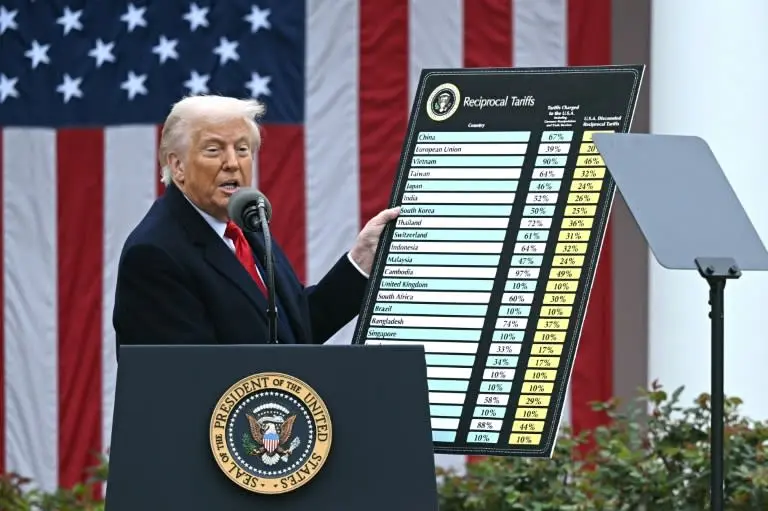
U.S. Tariff Escalation Triggers Economic Decline
However, these gains come with significant costs. Economic models project a long-term GDP decline of about 6 percent and a 5 percent drop in wages. All households, regardless of income, face reduced purchasing power, with middle-income families projected to lose $22,000 over their lifetimes.
The hardest hit sectors include agriculture, mining, and manufacturing, which depend heavily on exports and now face foreign retaliation. China responded to the U.S. actions by imposing 125 percent tariffs on American goods.
This escalation has further harmed U.S. exporters and contributed to rising prices at home. Analysts highlight that these tariffs have already raised costs for consumers, with price increases visible across many product categories.
The lawsuit reflects growing concern that the president’s actions have upended decades of trade policy and constitutional checks. State officials argue that the tariffs, driven by executive orders rather than legislative debate, have created chaos in the economy and left businesses uncertain about future costs.
This legal battle centers on who controls U.S. trade policy and the real economic consequences of aggressive tariffs. The facts presented are based on primary sources and economic modeling, with no fabricated or speculative information.
This article was produced by The Rio Times’ automated newsroom system. How we use AI · Report an error · Editorial responsibility: Matthias Camenzind, Editor-in-Chief