353 Deputies Back Brazil’s Fiscal Bill
The bill passed unchanged and awaits Lula's signature, while the real's brief break above R$6 shows how closely investors watch it.
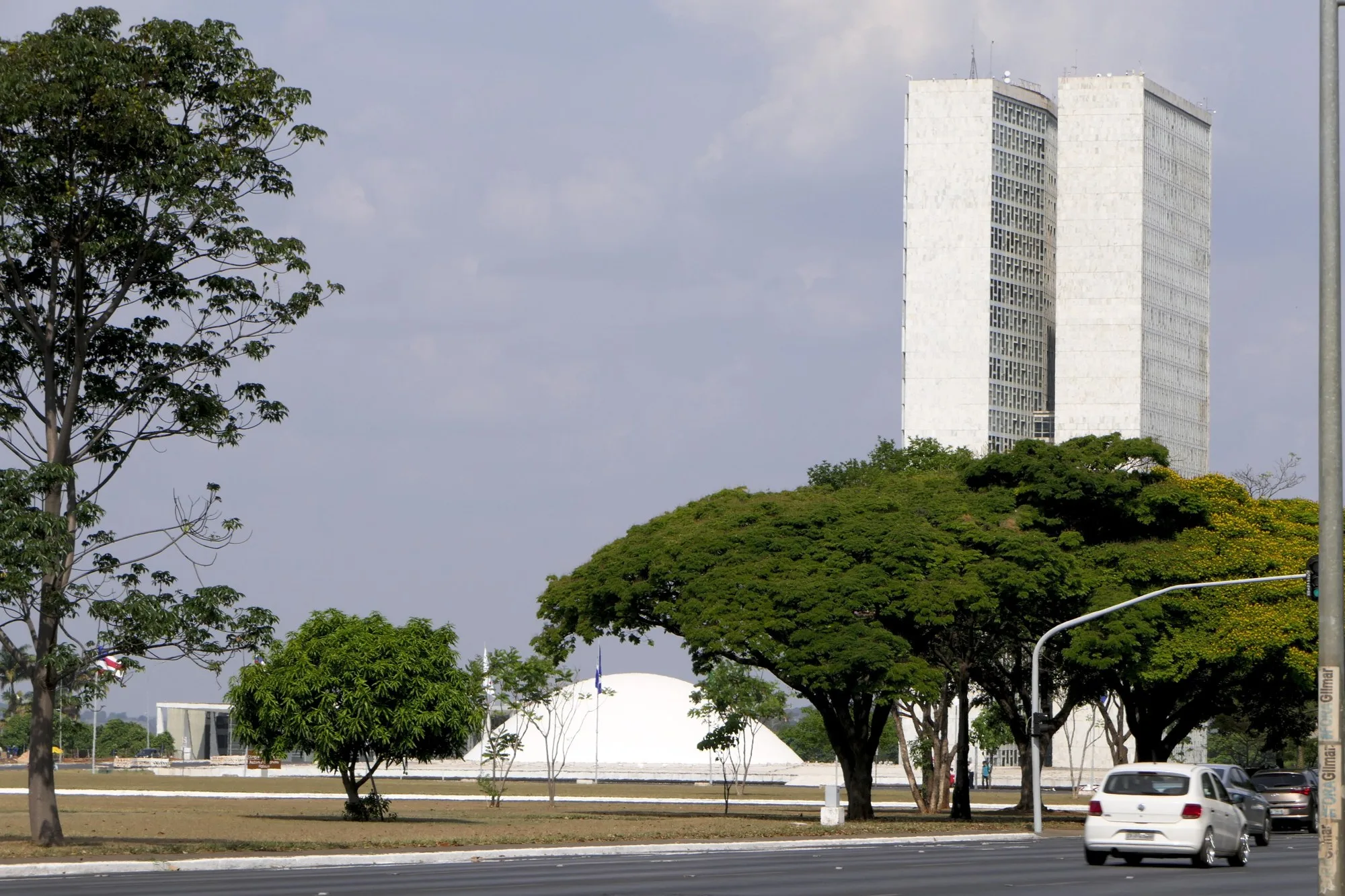
Brazil's lower house passed the government's fiscal bill 353 to 128 on 23 November, and it now goes to President Lula for signature. The dollar briefly topped R$6.00 the same day, the first time since April 2025, which makes Brazilian assets and travel cheaper for US visitors and investors.
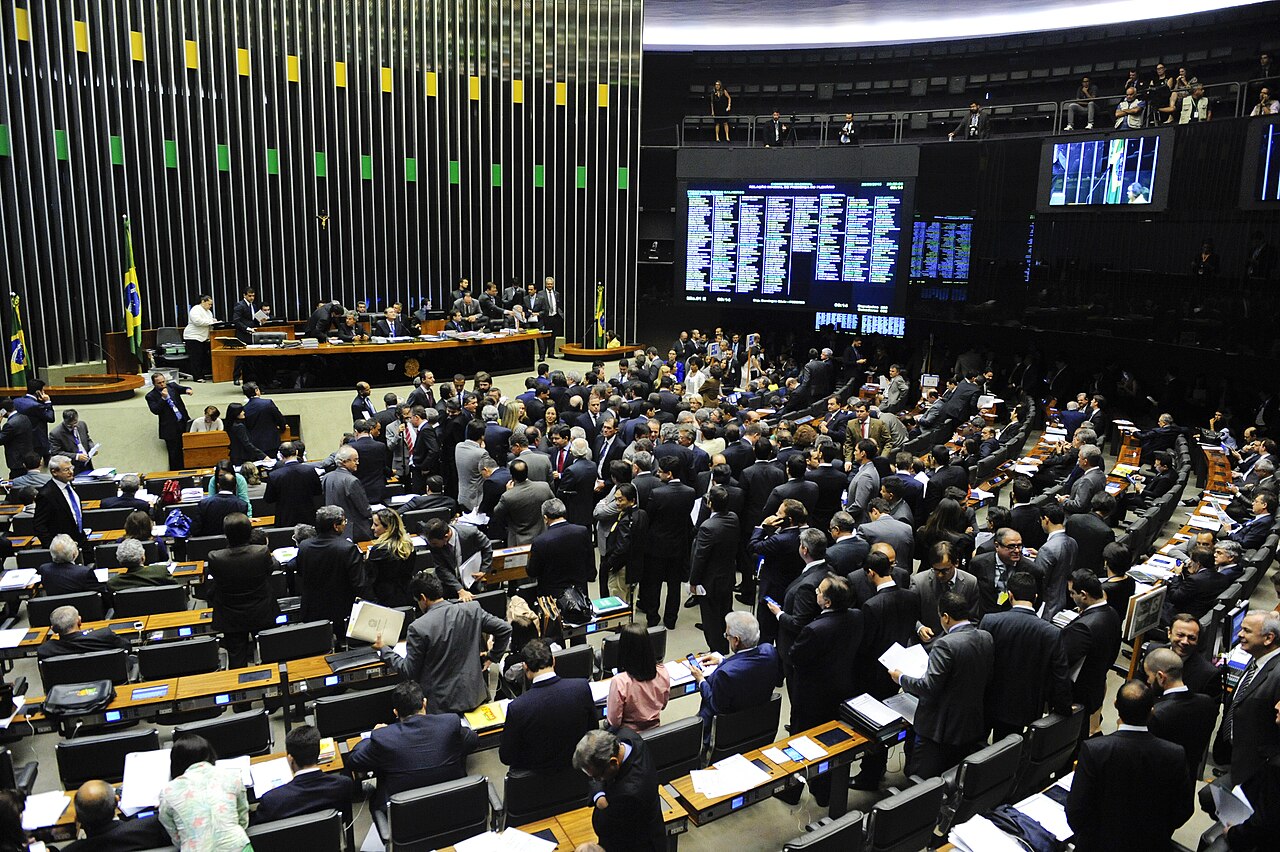
The Chamber of Deputies, Brazil’s lower house, passed the fiscal bill 353 to 128 with 5 abstentions on Monday 23 November 2026, in a session that ran into the early hours of Tuesday 24 November. The governing coalition then beat back every amendment that could have changed the text.
Key Facts
- Vote. Chamber of Deputies passed bill PLP 299/2026 by 353 to 128 on Monday night, 23 November.
- Currency. The dollar topped R$6.00 on 23 November, first time since April 2025, then closed near R$5.93.
- Savings. 2027 savings expected: R$45 billion to R$56 billion (US$7.6 billion to US$9.4 billion).
- Next step. The bill goes to President Lula, who has 15 working days to sign or veto.
- Power Index. Brazil ranks 1st of 14 in The Rio Times Latin America Power Index, with 74.2 points (November 2026 edition).
The bill passed unchanged and awaits Lula's signature, while the real's brief break above R$6 shows how closely investors watch it.
In Plain English
- Chamber of Deputies: The lower house of Brazil’s Congress, with 513 members, led by Speaker Hugo Motta.
- PLP 299/2026: The government’s fiscal adjustment bill. PLP means a complementary bill, which needs an absolute majority of 257 votes.
- Copom: The central bank committee that sets Brazil’s benchmark interest rate, the Selic, now 13.75%.
- CIMCE: The new national council that runs Brazil’s critical minerals policy.
How Brazil’s Lower House Passed the Fiscal Bill
The vote cleared the 257 of 513 votes a complementary law needs by 96. An earlier vote to fast-track the bill passed 318 to 135.
The bill, numbered PLP 299/2026, tightens the spending rule. Real spending growth, meaning growth above inflation, drops from 2.5% to 2% in years when the fiscal target is at risk.
It also deepens cuts to tax benefits: the cut doubles from 10% to 20%, with exceptions. The government expects roughly R$45 billion to R$56 billion in 2027 savings (US$7.6 billion to US$9.4 billion at R$5.93 per dollar), though outlets quote different figures.
Rapporteur Mauro Benevides Filho, of the União Brasil party, a centre-right party, kept the Senate’s text unchanged. Leaving it untouched means the bill needs no second Senate vote and goes to President Lula, who has 15 working days under Article 66 of the constitution to sign or veto it.
Why the Real Touched R$6 Per Dollar
The dollar rose above R$6.00 on the morning of Monday 23 November 2026, reaching about R$6.006, its highest level in 19 months and the first time above R$6 since April 2025. It then eased and closed at about R$5.93 as deputies debated the bill.
The Copom, the central bank committee that sets the Selic rate, held the Selic at 13.75% on 4 November, according to the Banco Central do Brasil. Its next meeting ends on Wednesday 9 December.
What Brazil’s New Critical Minerals Law Means for USA Rare Earth
Law No. 15,506/2026 creates a National Policy on Critical and Strategic Minerals and a council, CIMCE, to run it. President Luiz Inácio Lula da Silva signed it on 16 September 2026, according to the text published by the Presidency.
Under Article 3, CIMCE and the National Mining Agency review changes of control, access to strategic geological data and certain international supply agreements. Article 8 lets future rules link exports to local value-added requirements and require reports on volumes, destinations and final buyers.
Lefosse, a Brazilian law firm, reported that CIMCE approved a list of 27 critical minerals including rare earths. How screening will treat contracts signed before the law is not yet clear from the sources we read.
USA Rare Earth, a US maker of rare earth magnets, closed its purchase of Brazilian miner Serra Verde on 3 September 2026, according to its quarterly report to the US Securities and Exchange Commission. The deal was announced in April as US$300 million in cash plus shares, valued at about US$2.8 billion.
The quarterly report lists “interventions by the Brazilian government in the local economy” among the company’s risks. No restriction on the company has been announced.
What It Means for US Readers
A weaker real makes Brazilian assets and travel cheaper in US dollars: R$100 bought about US$16.86 at the 23 November close of about R$5.93. It also raises import costs inside Brazil for goods priced in dollars, so US investors in Brazilian markets carry currency risk.
What to Watch Next
President Lula has 15 working days to sign or veto the fiscal bill. The Copom meeting ends on Wednesday 9 December with a decision on the Selic.
What Is Not Known
Whether Lula will sign the bill unchanged, and when, is not known. Estimates of the 2027 savings differ between outlets, which is why we give a rounded range.
Sources
Presidency of Brazil: Law No. 15,506/2026 · Congresso Nacional: PLP 299/2026 · Gazeta do Povo: Câmara aprova projeto de ajuste fiscal · Gazeta do Povo: Após bater R$ 6, dólar fecha em leve queda · DGABC: Após tocar R$ 6,00, dólar recua · Lefosse: Brazil approves its list of 27 critical minerals · Banco Central do Brasil: Copom statement, 4 November 2026
Frequently Asked Questions
What did Brazil’s lower house vote on 23 November 2026?
It passed the fiscal bill PLP 299/2026 by 353 to 128. Every amendment was beaten back, so the bill goes to President Lula.
Why did the real weaken past R$6 per dollar?
On 23 November the dollar rose above R$6.00 for the first time since April 2025 as the Chamber took up the fiscal bill, then closed near R$5.93.
How could Brazil’s minerals law affect US companies?
Law 15,506/2026 lets CIMCE and the National Mining Agency review changes of control and some supply agreements. No restriction on any US company has been announced.
This article was produced by The Rio Times’ automated AI newsroom. Editorial responsibility: Matthias Camenzind, Publisher and Editor-in-Chief. The Rio Times also runs Ask Rio Times, which answers from 100,000+ of our own articles, the daily Latin America Power Map, and prediction-market odds on elections and markets.. How we use AI · Report an error
The reports behind this Big Read
Brazil runoff, Sunday, October 25: Brazil runoff: date, poll closing times and when results start. Latest: Brazil runoff polls, Flávio 51%, Lula 49%.