Tarsila do Amaral Turns 140: São Paulo, Brazil Celebrates Its Modernist Icon With Free Events on September 1
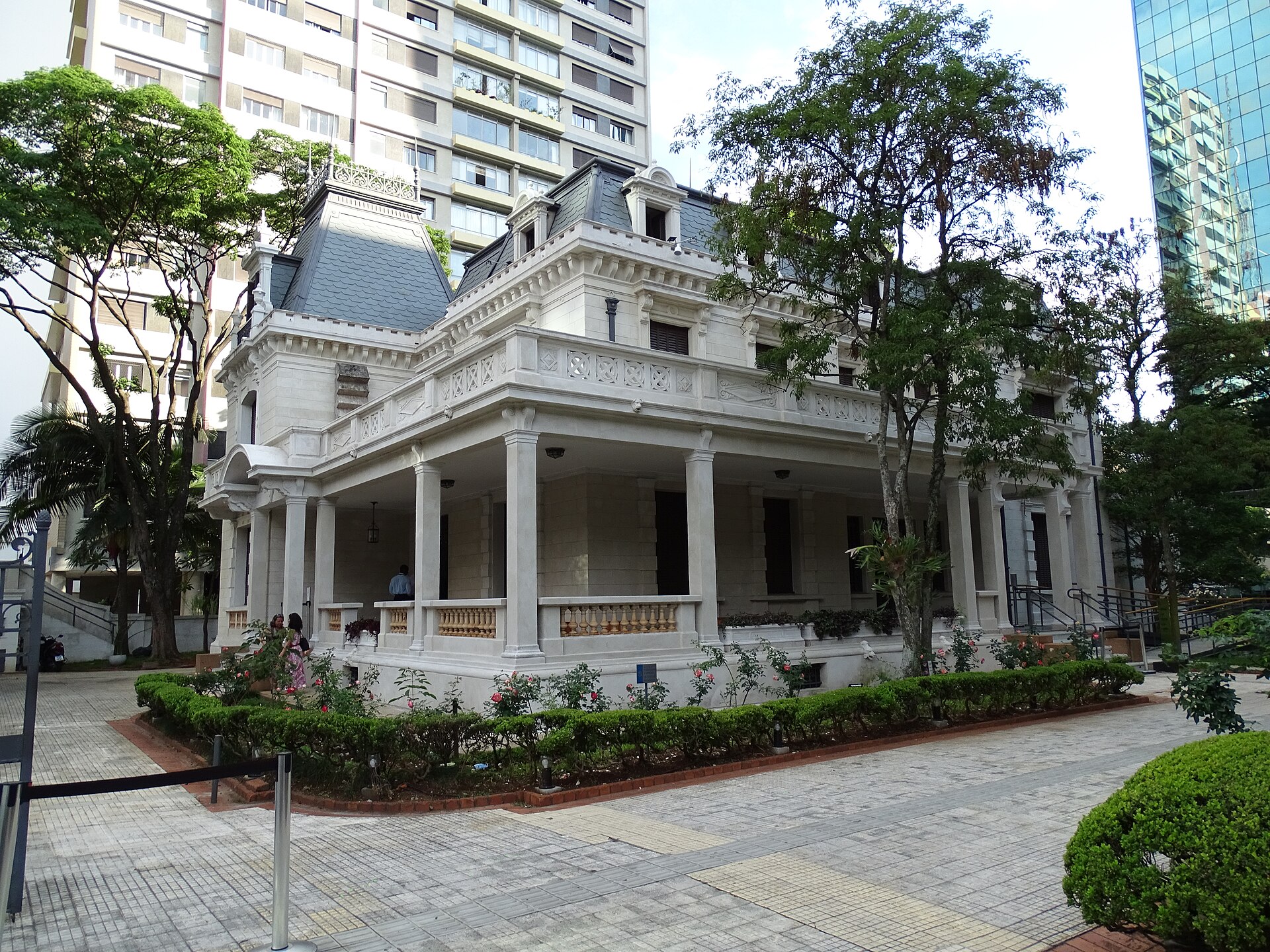
The Tarsila do Amaral 140th birthday is Tuesday, September 1, 2026 — and São Paulo, the Brazilian city the modernist painter called home, marks it with a full day of special programming, headlined by the free guided walk ‘A Paulista de Tarsila’ along Avenida Paulista.
Tarsila do Amaral — born on September 1, 1886, in Capivari and raised between coffee farms and São Paulo — is the central figure of Brazilian modernism; her city celebrates her 140th anniversary with events that expats can join for free.
Key Facts
- The date. Tuesday, September 1, 2026 — exactly 140 years after Tarsila do Amaral’s birth in 1886.
- The walk. ‘A Paulista de Tarsila’, a guided walk from 10 a.m. to 12 p.m., run with the Museu Casa das Rosas; meeting point: Casa das Rosas, Avenida Paulista 37, Bela Vista.
- Capacity. The walk is limited to about 20 participants — arrive early or register where required.
- Entry. The commemorative programming is free of charge.
- Why Tarsila matters. Painter of ‘Abaporu’ and ‘Operários’, co-founder of the Anthropophagic movement — the defining ideas of Brazilian modern art.
How São Paulo Celebrates Tarsila do Amaral at 140
The day opens with ‘A Paulista de Tarsila’, a mediated walk along Avenida Paulista that retraces the artist’s relationship with the avenue that symbolizes modern São Paulo — from the coffee-baron mansions of her youth to today’s cultural corridor.
The Museu Casa das Rosas, the historic 1930s mansion-turned-poetry-museum at Paulista 37, organized its own commemoration around the walk, anchoring a program that local outlets describe as a full day of special activities.
Who Was Tarsila do Amaral
Tarsila is to Brazilian art what Frida Kahlo is to Mexican: the face of a national movement. Her 1928 painting ‘Abaporu’ — a seated figure with a tiny head and enormous foot — launched the Anthropophagic manifesto, the idea that Brazilian culture should ‘devour’ foreign influences and digest them into something new.
For expats in Brazil, her work is the fastest route into understanding the country’s modern identity; São Paulo’s MASP and Pinacoteca both hold key pieces, and her name marks streets, schools and exhibitions nationwide.
Avenida Paulista: The Backdrop
The walk’s route is itself a history lesson: Paulista began as the boulevard of coffee fortunes — the world young Tarsila was born into — and became the densest cultural strip in South America, with MASP, Casa das Rosas, Japan House and Itaú Cultural within a few blocks.
The anniversary events turn the avenue into an open-air classroom for one morning — a rare chance to hear the city’s art history told where it happened.
Practical Information
Meet at Casa das Rosas (Av. Paulista 37, Bela Vista) before 10 a.m.; the walk runs until noon. Brigadeiro metro station (Line 2-Green) exits almost at the door.
Capacity is limited to around 20 people; pair the walk with a free visit to Casa das Rosas itself or a short ride to the Pinacoteca, whose ‘Macunaíma é Duwid’ exhibition — on the modernist legacy Tarsila helped create — runs until September 13.
Sources
Brasil Travel News: Tarsila completa 140 anos com programação especial em São Paulo · Moema & Região: Os 140 anos de Tarsila do Amaral · Popular Mais: Casa das Rosas celebra aniversário de Tarsila com caminhada
Frequently Asked Questions
When is Tarsila do Amaral’s 140th birthday event in São Paulo?
São Paulo celebrates 140 years of Tarsila do Amaral on Tuesday, September 1, 2026, with a full day of free programming.
What is ‘A Paulista de Tarsila’?
A free guided walk along Avenida Paulista from 10 a.m. to 12 p.m. on September 1, organized with the Museu Casa das Rosas, for about 20 participants.
Where does the Tarsila walk start?
At Casa das Rosas, Avenida Paulista 37, Bela Vista, São Paulo — next to Brigadeiro metro station.
Why is Tarsila do Amaral important?
She is the central painter of Brazilian modernism; her work ‘Abaporu’ inspired the Anthropophagic movement that defined modern Brazilian culture.
Connected Coverage
Also opening in Brazil this week: ‘Amazônicas’ at CCBB Rio (September 2) and a free Picasso exhibition with 80 originals in Vitória.
Sources: Brasil Travel News, Moema & Região, Popular Mais (reported August 29–31, 2026).
This article was produced by The Rio Times’ automated newsroom system. How we use AI · Report an error · Editorial responsibility: Matthias Camenzind, Editor-in-Chief
The São Paulo Guide
What The Rio Times publishes for foreigners in São Paulo, Brazil.
This month
Coming up in São Paulo
- Amorphis Plays Curitiba, Belo Horizonte and São Paulo on Brazil Tour, 15 to 18 October 18 Oct
- The Last Five Years Returns to São Paulo, 9 to 18 October, in the Musical's 25th Year 18 Oct
- Pussycat Dolls in São Paulo, Brazil: Reunion Show at Nubank Parque on October 20, 2026 20 Oct
- Kneecap in São Paulo, Brazil: Irish-Language Rap at Cine Joia on October 23, 2026 23 Oct
Living in São Paulo
- São Paulo Governor Race 2026: Tarcísio vs Haddad — Polls, Issues and Stakes
- Rio vs São Paulo Safety for Expats, District by District
- São Paulo Rents Hit Expats for US$2,500 a Month as Jardins Leads Brazil Costs
- São Paulo Got One Listing in Five Years, and Nubank Still Trails Itaú
Nightlife
Understand Brazil