
SOUTH AFRICA · US TRADE
Key Facts
- —The country South Africa is Africa’s most industrialised economy, a country of about 63 million people led by President Cyril Ramaphosa since 2018.
- —Why it matters AGOA, the African Growth and Opportunity Act, lets eligible African countries sell thousands of products to the United States without import duties.
- —What happened On Monday 19 October 2026, Ramaphosa said he must prepare South Africans for the possible loss of AGOA, Nigeria’s Punch and The Whistler reported.
- —His words He said, “I need, as president, to prepare us if it ever happens,” and called the effect on jobs devastating.
- —The backdrop Trump signed a two-year extension on Wednesday 2 September 2026, but eligibility is reviewed every year.
- —What it means for you American importers of South African goods could face new duties after an AGOA loss.
- —Still open Washington has not said it will remove South Africa, and the date of any decision is not public.
An AGOA loss became a planning topic on Monday 19 October, when President Cyril Ramaphosa said he must prepare South Africa for it. Nigeria’s Punch newspaper reported his remarks from Johannesburg.
South Africa is one of the largest users of AGOA, the US scheme that removes import duties on many African goods. Ramaphosa said losing it would be devastating for jobs, and that his government is already looking for other buyers.
What Ramaphosa Said on 19 October
Punch reported that Ramaphosa told South Africans he has a duty to get the country ready if AGOA access ends. He said, “I need, as president, to prepare us if it ever happens.”
He described the impact on jobs as devastating, the paper reported. He added that he and Deputy President Paul Mashatile are exploring other markets for South African goods.
What AGOA Is and Why It Matters
The African Growth and Opportunity Act is a US law from 2000 that gives eligible sub-Saharan countries duty-free access to the American market. The US president decides each year which countries qualify, and Congress sets how long the scheme lasts.
South Africa supplied about half of the US$8.23 billion in goods exported under AGOA in 2024, Business Day reported, citing Oxford Economics. Roughly 22% of South African exports to the United States benefit from the scheme, BusinessTech reported.
The Extension That Did Not End the Worry
President Donald Trump signed a bill on Wednesday 2 September that moves AGOA’s end date to December 2028, BusinessTech reported. South Africa had asked for a 15-year extension, Business Day reported.
The AGOA country list can still change before January 2027. The US Trade Representative, America’s trade office, opened its 2027 review in June, and two 2025 bills to exclude South Africa have stalled.
Jobs and Exports at Stake
BusinessTech cited estimates that about half a million South African jobs depend on AGOA. The trade union Solidarity warned that exclusion would put thousands of specialised jobs at risk.
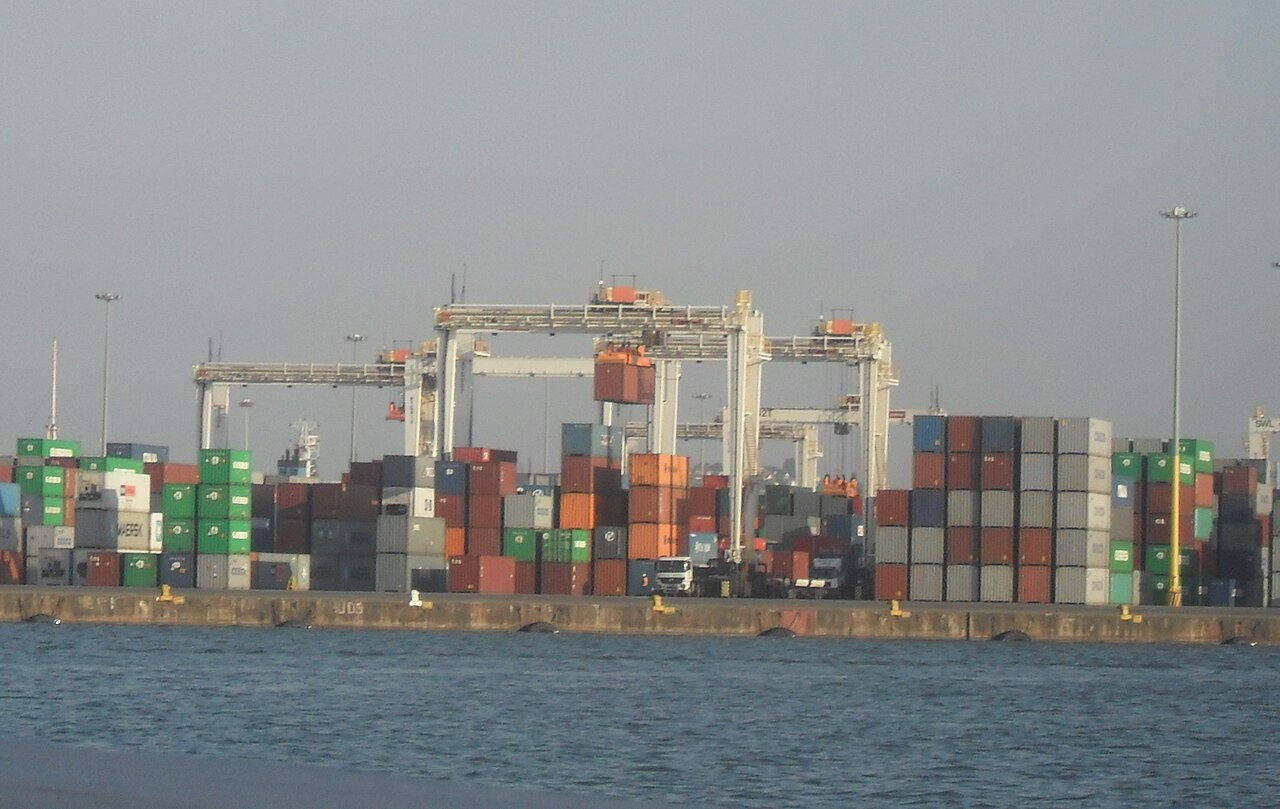
South African vehicle exports to the United States fell to R8 billion (about US$0.49 billion) in 2025, from R17.7 billion (about US$1.08 billion) in 2024. Business Day also reported a 25% US tariff on cars, parts, steel and aluminium.
Pretoria Looks to China and Others
Punch reported that Ramaphosa pointed to China’s zero-tariff scheme for African exports, which began in May, as one route to new buyers. He did not give figures for what the Chinese scheme could be worth to South African exporters.
Washington, Beijing and Moscow compete for African partners, as set out in this guide to who backs whom in Africa. The car industry faces more pressure after the end of state support for kit-car plants, covered in this report on the kit-car decision.
What It Means for US Readers
American companies that import South African vehicles, steel, aluminium and other goods could face higher duties after an AGOA loss. Investors in South African exporters should watch the January 2027 eligibility decision.
After an AGOA loss, Ramaphosa pointed to China as a possible new buyer while ties with Washington stay strained. That matters for US firms competing for South African contracts and for American officials who want a trade partner on the continent.
What Is Not Known
Ramaphosa did not say that Washington has told South Africa it will lose AGOA access, and its eligibility is unchanged. No date for a US decision on South Africa’s eligibility has been made public.
The remarks were reported from Johannesburg, and the Presidency has not yet released the full text of his statement. The size of any duty South African exporters would face without AGOA depends on a US decision that has not been taken.
More: South Africa news in English, every day from The Rio Times.
Frequently Asked Questions
What is AGOA?
AGOA is the African Growth and Opportunity Act, a US law that lets eligible sub-Saharan countries sell many goods to the United States duty-free. It passed in 2000 and now runs to December 2028.
Has South Africa lost AGOA?
No, South Africa stays eligible for now, and an AGOA loss is only a possibility. Ramaphosa said he must prepare for the possibility that it ends.
How many jobs depend on AGOA in South Africa?
BusinessTech cited estimates of about half a million jobs. The union Solidarity warned that thousands of specialised jobs would be at risk if South Africa were excluded.
When could South Africa be removed from AGOA?
The eligibility list can be changed before January 2027, and the US Trade Representative opened its 2027 review in June. No decision on South Africa has been announced.
Why does AGOA matter to American readers?
US importers and investors buy South African goods that enter under the scheme. Loss of AGOA could raise import costs and shift supply chains.
Sources: Punch, 19 October 2026; The Whistler, 19 October 2026; BusinessTech, 3 September 2026; Business Day, 4 September 2026.
Editorial responsibility: Matthias Camenzind, Editor-in-Chief · Editorial standards · Report an error
LatAm Markets: Live Signals → — real-time movers, turnover leaders and FX across Latin America.