Rio’s New Olympic Museum Targets Revenue from Old Venues
On August 3, 2025, Rio de Janeiro opened the Rio Olympic Museum inside its Olympic Park velodrome.
Backed by more than R$118 million ($21 million) in public funds, the project includes R$73 million ($13 million) allocated for construction and R$45 million ($8 million) for exhibit curation.
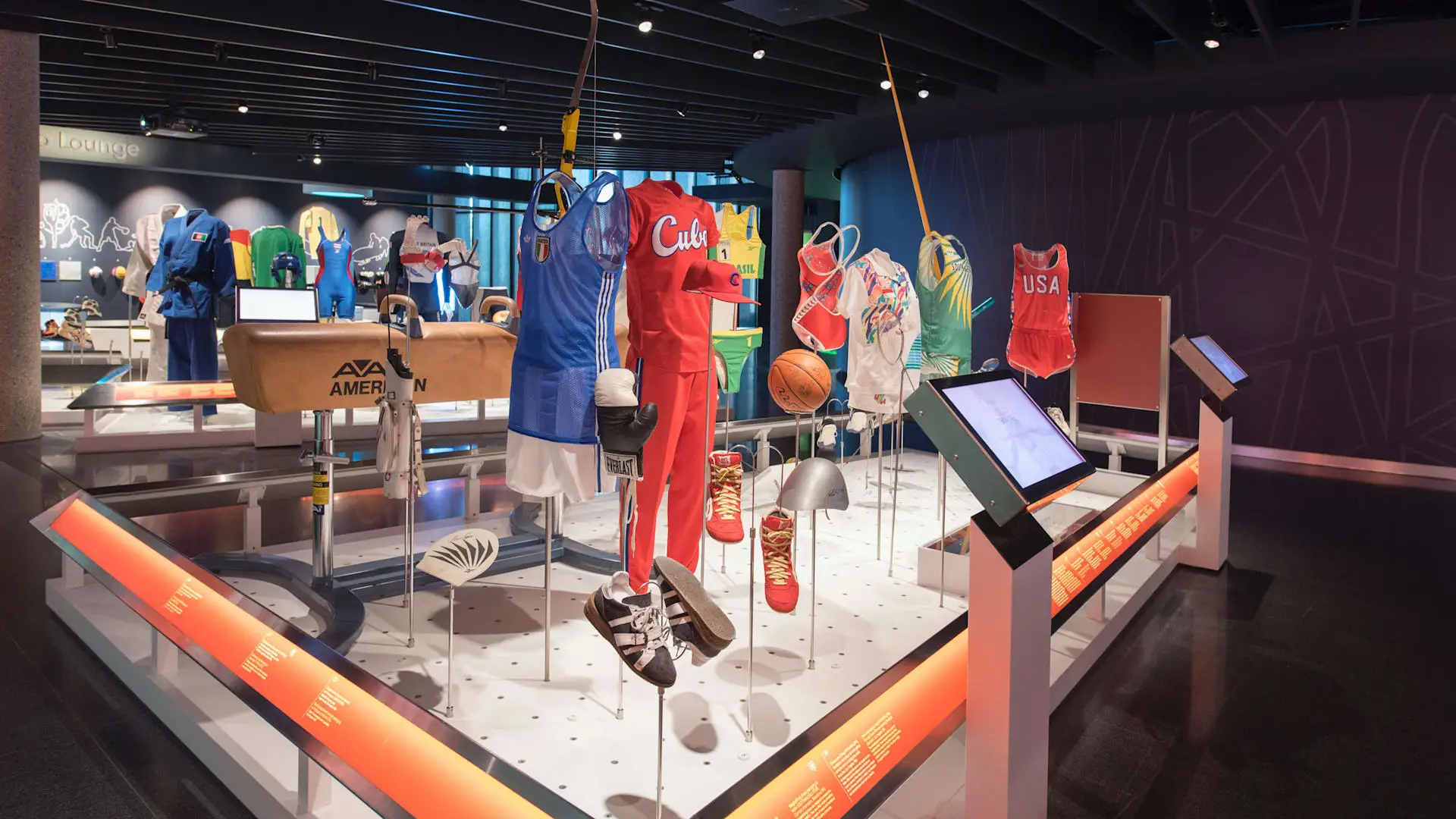
It represents the city’s attempt to transform expensive Olympic infrastructure into an ongoing source of income. Inside the museum’s 2,300-square-meter space, visitors encounter over 1,000 authentic items.
Notable pieces include Rafaela Silva’s judo gold medal belt, the volleyball from Brazil’s gold-winning match, and interactive displays that allow guests to simulate races or penalty kicks.
These hands-on stations invite users to relive moments like Neymar’s decisive shot, making Olympic history both accessible and engaging.
The first two months offer free entry to pre-registered guests, after which a paid ticketing system will be introduced, with final prices still pending official confirmation.
This project directly addresses a challenge that has troubled former host cities worldwide: what to do with gigantic arenas and facilities long after the Games end.
Rio’s leaders, aware of mounting maintenance costs for unused buildings, are now using commercial strategies to change these facilities from financial drains into assets that attract tourism, support local jobs, and potentially generate profit.
Bridging Local Legacy with Global Reach
As part of the International Olympic Committee’s museum network, Rio’s new museum links local achievements with a global audience, opening new chances for international partnerships and exchange programs with other Olympic-themed institutions.
City officials also hope to boost Rio’s cultural tourism profile and draw repeat visits through changing exhibitions and special events.
While the investment was substantial and public funding played a large role, the city is seeking to validate the expense through active revenue generation. The museum’s business plan includes ticket sales, event rentals, merchandising, and private partnerships.
By offering modern, interactive experiences and high-profile memorabilia, the museum targets both domestic visitors and international tourists who remember the 2016 Games.
The outcome of this initiative is still uncertain. City leadership puts faith in the notion that, by blending nostalgia, hands-on education, and focused commerce, the museum will not only cover its own costs but also contribute to the long-term revitalization of the surrounding Olympic Park area.
This article was drafted with automated assistance and reviewed before publication. How we use AI · Report an error · Editorial responsibility: Matthias Camenzind, Editor-in-Chief