Billions Flow to Rio: Energy Projects Dominate $60 Billion Investment Wave
The Federation of Industries of Rio de Janeiro (Firjan) projects the state will receive about R$336 billion ($60 billion) in investments between 2025 and 2027.
The group identified 1,199 projects already underway. Most are concentrated in energy, which will absorb R$267.8 billion ($48 billion), nearly 80 percent of the total.
That dominance is not a surprise. According to Brazil’s National Petroleum Agency (ANP), Rio produced close to 89 percent of the country’s oil and about three quarters of its natural gas in 2024.
Those numbers make the state the clear center of Brazil’s hydrocarbons industry, and they explain why capital keeps flowing into offshore platforms, gas infrastructure, and related logistics.
Foreign money plays a significant role. Nineteen projects with direct international participation total R$120.3 billion ($21 billion), about one third of all planned investment.
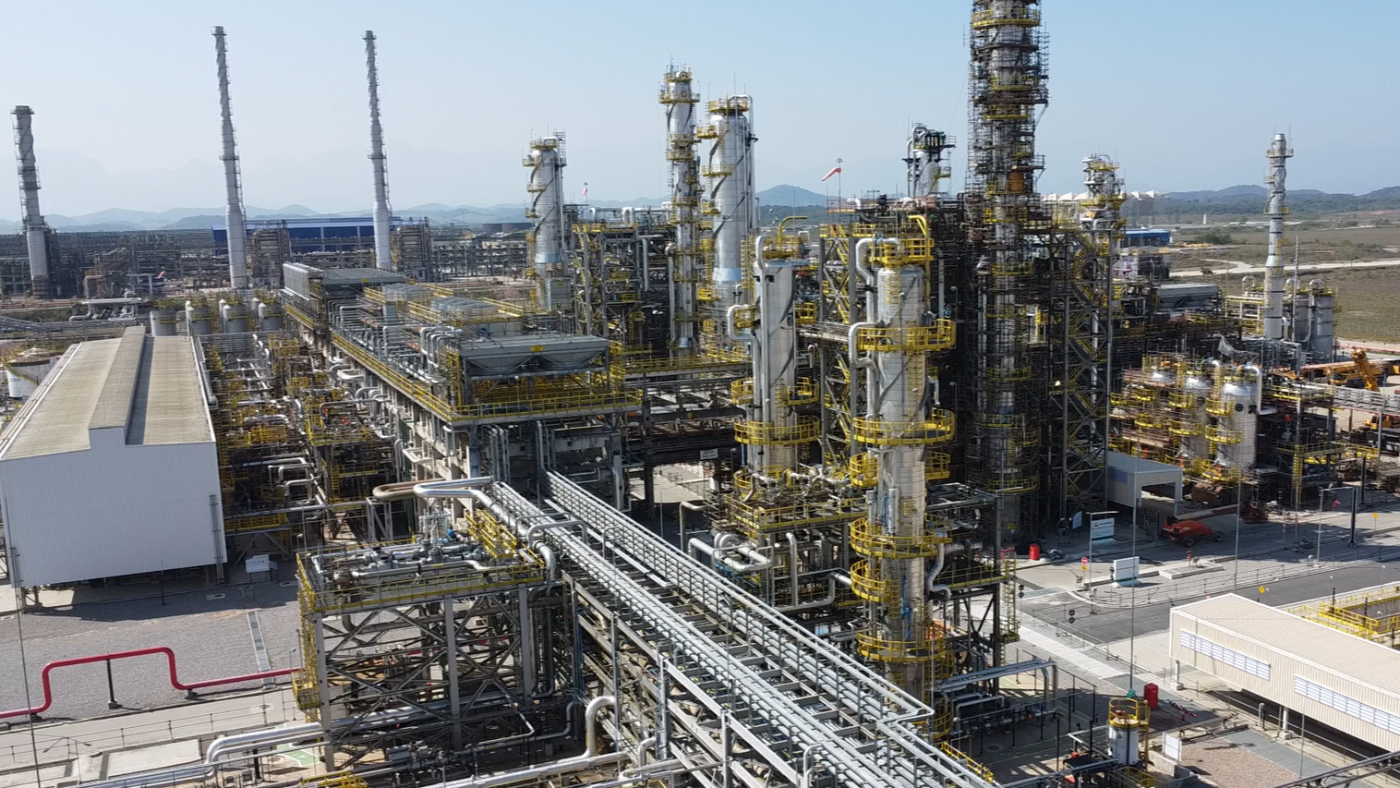
These ventures focus largely on offshore exploration and production, especially in pre-salt fields that drive Brazil’s export strength. The state government has moved to expand the scope of investment by signing new agreements.
Rio Bets on Energy Boom but Remains Dependent on Oil
These deals aim to attract as much as R$5 billion ($1 billion) in clean energy projects and related manufacturing. That share remains small compared with oil and gas, but it signals a gradual diversification effort.
The impact on jobs will be large. Firjan and the National Industry Confederation estimate that Rio will need about 910,000 people trained or retrained by 2027. Those workers will range from engineers and technicians to construction crews and service providers.
Oil money already underpins public finances. Royalties and special participation payments account for almost 30 percent of Rio’s state budget. Rising production and new projects could swell municipal revenues, though the effect will depend on how funds are managed.
The figures reveal two stories. The first is the headline: hundreds of billions in investment, most of it concentrated in energy. The second is the underlying reality: Rio’s economy remains tied to hydrocarbons, with clean energy making only small inroads.
That dependence brings growth, revenue, and jobs, but it also keeps the state vulnerable to commodity cycles and global energy shifts.
More: Brazil news in English, every day from The Rio Times.
This article was drafted with automated assistance and reviewed before publication. How we use AI · Report an error · Editorial responsibility: Matthias Camenzind, Editor-in-Chief