Opening Doors: Brazil and Saudi Arabia Simplify Travel with New Visa Agreement
On May 27, 2024, the Brazilian Chamber of Deputies greenlit a significant visa agreement with Saudi Arabia.
This accord paves the way for smoother travel and could boost both tourism and business interactions. Currently, it’s under the Senate’s review for final approval.
Under this pact, both nations will issue multi-entry visas that last for five years, allowing stays of up to 90 days.
Specifically, these visas target tourists and business travelers, excluding immigrants and religious pilgrims.
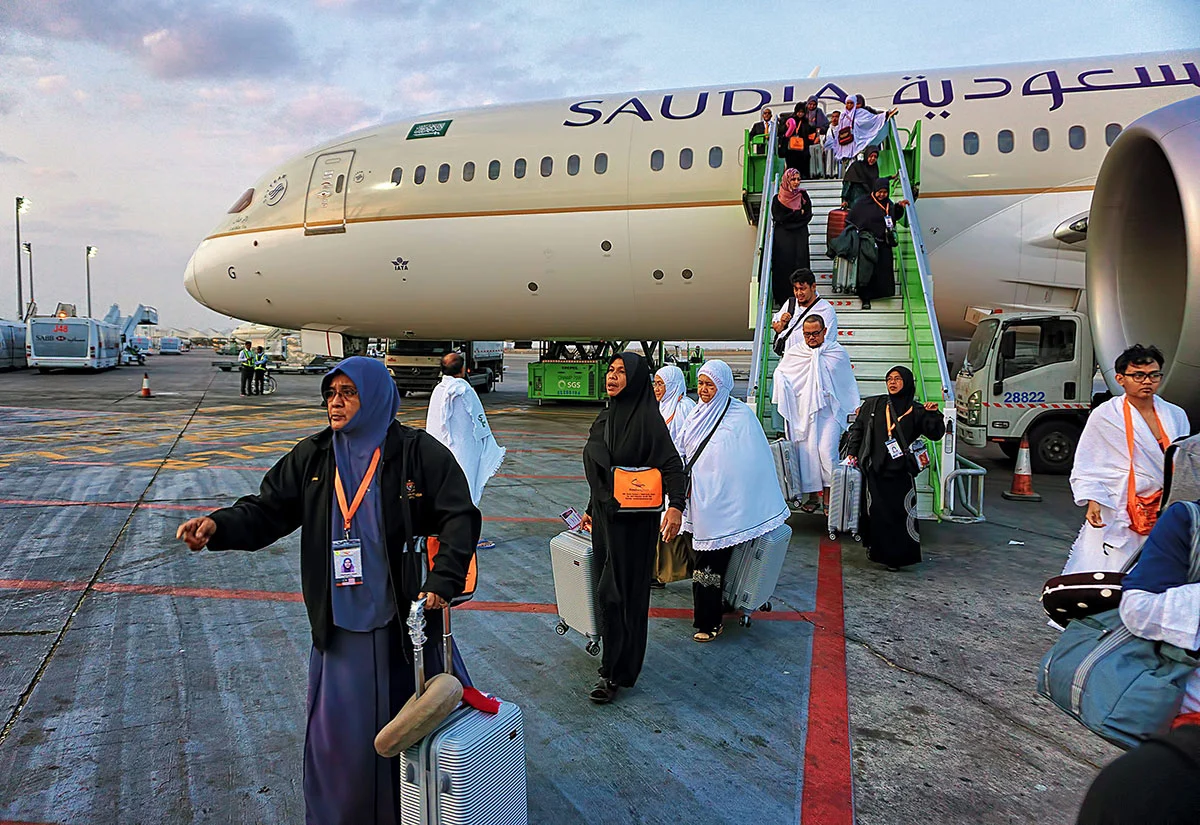
Such agreements represent major breakthroughs. Known for its vibrant culture and stunning scenery, Brazil could now see an increase in Saudi visitors.
Saudi tourists are some of the globe’s highest spenders on travel. In return, Brazilian enterprises might find new opportunities in the prosperous Saudi market.
Additionally, the deal smartly excludes visas for Hajj and Umrah, showing respect for religious customs.
This careful delineation ensures the visa framework remains clear, promoting economic growth on both sides.
Rapporteur Diego Coronel has touted the benefits, pointing to strengthened ties and improved mobility for citizens. Each visa costs 80 US dollars.
By facilitating easier travel, Brazil and Saudi Arabia not only enhance their own economic landscapes but also set a benchmark for global cooperation.
Background – Brazil and Saudi Arabia Simplify Travel with New Visa Agreement
Saudi Arabia and Brazil are set to introduce direct flights this year, marking a significant stride in their bilateral relationship.
Deputy Minister Sultan M. Al Musallam made this announcement in Madrid, emphasizing a new chapter in travel between the two countries.
Sultan’s announcement is a big step, making travel easier and fostering closer ties between the people of both nations.
Brazil’s Minister of Tourism, Celso Sabino, views this as a major achievement for President Lula’s administration.
These direct flights, expected to significantly boost Brazilian tourism, stem from discussions held last year.
This article was produced by The Rio Times’ automated newsroom system. How we use AI · Report an error · Editorial responsibility: Matthias Camenzind, Editor-in-Chief
Read More from The Rio Times