
NIGERIA · SECURITY
Key Facts
- —The country Nigeria is Africa’s most populous country and an oil producer, with an army fighting jihadists in the north-east and kidnapping gangs elsewhere.
- —What happened On Saturday 17 October 2026 the EU announced €20 million (about US$22.5 million) in EU military aid for Nigeria’s armed forces.
- —The channel The money comes from the European Peace Facility, an EU fund that pays for military and defence equipment for partner countries.
- —The next step An EU technical team visits Nigeria in November to agree on delivery, and the defence minister is invited to Brussels.
- —The equipment Nigeria’s defence minister expects 10 attack helicopters and drones, but the announcement does not link them to the EU money.
- —What it means for you Europe is helping to pay for the fight against jihadist groups in a country the State Department rates Level 3, reconsider travel.
- —Still open Which equipment the package buys, who supplies it and when it arrives.
The European Union will give Nigeria’s army €20 million (about US$22.5 million) in EU military aid, Abuja announced on Saturday 17 October 2026. The money comes from the European Peace Facility, an EU fund for equipment and training in partner countries.
For American readers, the aid shows Europe sharing the cost of fighting jihadist groups in Africa’s most populous country, an oil producer. Aminiya, a Hausa-language newspaper in Nigeria, reported on Tuesday 20 October that the money will not go to the government directly.
What the EU Announced in Abuja
Gautier Mignot, the EU’s ambassador to Nigeria, announced the package on a visit to Defence Minister Christopher Musa in Abuja. Musa’s media aide, Leah Katung-Babatunde, issued the statement on Saturday 17 October, and the News Agency of Nigeria and Nairametrics carried it.
An EU technical team will travel to Nigeria in November to agree how the EU military aid is delivered. Mignot also invited Musa to a meeting of defence ministers in Brussels later this year.
How the European Peace Facility Pays for EU Military Aid
The European Peace Facility is an EU fund set up on 22 March 2021 and financed outside the regular EU budget. Its ceiling is more than €17 billion (about US$19.1 billion, at 0.891 euros to the dollar on 21 October 2026) for 2021 to 2027.
Part of the fund pays for military and defence help to countries outside the EU, including equipment and technical support, run by the European Commission. It replaced the African Peace Facility, which earlier backed African-led peace missions.
What Aminiya Says the Money Will Buy
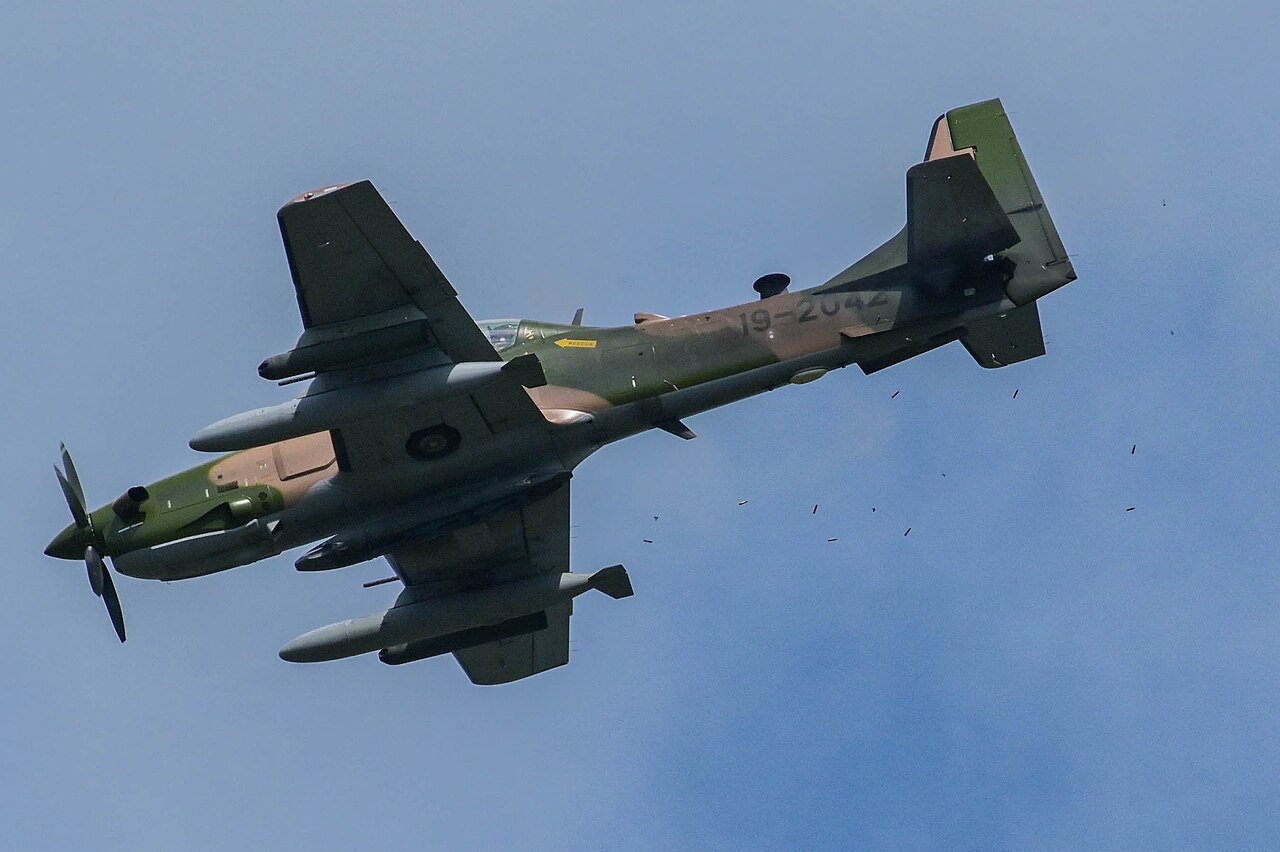
Aminiya reported on Tuesday 20 October that the EU will not hand the money to the Nigerian government directly. The paper said it is expected to pay for modern military equipment, including attack helicopters and drones.
Aminiya put the sum at more than ₦29 billion (about US$22 million). Kabiru Adamu, who heads the security and intelligence research centre at Beacon Consulting, said EU military aid can improve operations if used properly.
What the Defence Minister Said
Musa, a retired general, thanked the EU and said relative peace is returning, though highway kidnappings and attacks on isolated communities persist. He added that Nigeria expects 10 attack helicopters, drones and other major equipment, without naming the supplier.
He called the shrinking Lake Chad Basin, on which more than 50 million people depend, a possible source of instability. Denying terrorists their island hideouts is a key aim of the Multinational Joint Task Force, a joint force of the Lake Chad countries.
How the Package Took Shape
On Thursday 23 July 2026, Mignot told Foreign Minister Bianca Odumegwu-Ojukwu that the EU was finalising €20 million (about US$22.5 million) in support. Voice of Nigeria, the state external broadcaster, said the package would cover gear against drones and improvised explosive devices, meaning homemade bombs.
That July briefing also mentioned a separate €25 million (about US$28.1 million) peace programme for the North-West, still in preparation. At the weekend Mignot said the EU has committed almost €45 million (about US$50.5 million) in humanitarian aid to Nigeria this year.
What It Means for US Readers
The EU military aid shows a Western partner helping to pay for the fight against jihadist groups that threaten travellers and investors in Nigeria. The State Department’s advisory of 12 June 2026 rates Nigeria Level 3, reconsider travel, and tells Americans not to visit Borno, Yobe or Plateau.
The Rio Times explains the threats in its Nigeria security guide. It also reported on Nigeria’s airstrike on Islamic State fighters in Borno on 10 October.
What Is Not Known
The statement does not say which equipment the package will buy, and nothing ties it to the 10 attack helicopters Musa expects. It is also open who will supply the equipment and when it arrives.
The date of the Brussels meeting of defence ministers has not been given. It is also unclear how the EU will track the use of the EU military aid once it reaches Nigeria.
More: Nigeria news in English, every day from The Rio Times.
Frequently Asked Questions
What did the EU announce for Nigeria on 17 October?
The EU announced €20 million (about US$22.5 million) in defence support for Nigeria’s armed forces under the European Peace Facility. A technical team will visit in November to agree how the EU military aid is delivered.
What is the European Peace Facility?
It is an EU fund created in March 2021 and financed outside the regular budget, with a ceiling above €17 billion (about US$19.1 billion). It pays for military and defence help to partner countries.
Will the EU military aid go to the Nigerian government as cash?
Aminiya reported that the money will not be handed to the government directly. It said the aid is expected to fund equipment instead.
Will the EU military aid buy attack helicopters?
Aminiya said the aid is expected to pay for equipment including attack helicopters and drones. The official statement does not list the equipment, and Musa only said Nigeria expects 10 attack helicopters.
Is it safe for Americans to travel to Nigeria?
The State Department rates Nigeria Level 3, reconsider travel, in its advisory of 12 June 2026. It lists Borno, Yobe, Plateau and other states as do not travel because of terrorism, crime and kidnapping.
Sources: Aminiya, EU ta bai wa Najeriya yuro miliyan 20 tallafin tsaro, 20 October 2026; News Agency of Nigeria, EU to deliver defence support to Nigerian Armed Forces, 17 October 2026; Nairametrics, EU to provide defence support to Nigerian Armed Forces, 17 October 2026; ThisDay, EU says Nigeria’s poor population may be the world’s largest, 18 October 2026; Voice of Nigeria, Nigeria and EU deepen partnership on security, 24 July 2026; Council of the EU, European Peace Facility, 21 October 2026; US State Department, Nigeria travel advisory, 12 June 2026.
This article was produced by The Rio Times’ automated newsroom system. How we use AI · Report an error · Editorial responsibility: Matthias Camenzind, Editor-in-Chief
Great Powers in Africa
- Who Backs Whom in Africa 2026: China, Russia, US, Gulf
- Africa: The New Scramble
- DP World and AD Ports Drive Gulf States Africa Investment as Saudi Deals Follow
- China Slashes Africa Lending 46% as Kenya and Angola Race to Refinance Old Debts