IBOV 168,101.12 ▲ 0.79% IPSA 11,114.76 ▼ 0.30% IPC MEX 64,254.98 ▼ 0.22% MERVAL 2,924,748 ▼ 0.77% COLCAP 2,466.38 ▲ 0.57% BVL PERÚ 58,401.58 ▼ 0.44% USD/BRL5.22▲ 0.31% USD/MXN17.06▲ 0.13% USD/CLP922.18▲ 0.63% USD/COP3,092▼ 1.21% USD/PEN3.35▼ 0.35% USD/ARS1,492▲ 0.24% USD/UYU40.26▲ 1.93% USD/PYG6,002▲ 2.02% USD/BOB11.48▲ 0.10% USD/DOP58.52▲ 1.29% USD/CRC444.65▲ 1.69% USD/GTQ7.62▲ 2.33% USD/HNL26.80▲ 1.74% USD/NIO36.62▲ 0.81% USD/VES771.38▼ 0.13% USD/PAB1.00— 0.00% USD/BZD2.00— 0.00% USD/JMD 157.28 — 0.00% USD/TTD6.71▲ 1.08% EUR/BRL6.04▲ 0.03% BRENT 88.88 ▼ 0.03% WTI 83.11 ▼ 0.11% IRON ORE 161.91 — — COPPER 6.61 ▲ 0.03% GOLD 4,461 ▲ 1.78% SILVER 65.59 ▲ 1.26% SOY 1,184 ▲ 3.20% CORN 480.50 ▲ 10.02% WHEAT 655.00 ▲ 3.93% COFFEE 317.25 ▼ 5.51% SUGAR 16.43 ▼ 1.79% ORANGE JUICE 138.55 ▼ 0.47% COTTON 85.03 ▲ 2.33% COCOA 5,719 ▲ 3.18% BEEF 223.60 ▼ 3.93% CATTLE 339.10 ▼ 3.16% LITHIUM 75.20 ▲ 1.47% PETR4 41.64 ▼ 0.05% VALE3 72.97 ▲ 0.83% ITUB4 38.60 ▼ 1.03% BBDC4 16.85 ▲ 0.36% ABEV3 14.89 ▼ 0.80% BBAS3 19.37 ▲ 0.47% B3SA3 14.26 ▼ 0.21% WEGE3 47.59 ▲ 0.49% PRIO3 59.14 ▼ 0.19% SUZB3 41.33 ▲ 2.35% RENT3 34.68 ▼ 0.09% AZZA3 15.89 ▼ 2.63% CSAN3 3.22 ▼ 1.83% RAIZ4 0.25 — 0.00% PCAR3 2.75 ▼ 0.36% GMAT3 3.65 ▼ 1.08% PSSA3 48.13 ▼ 0.54% CVCB3 1.33 ▼ 2.92% POSI3 3.36 ▲ 2.44% SLCE3 13.34 ▲ 0.30% NATU3 8.14 ▼ 0.73% IBOV 168,101.12 ▲ 0.79% IPSA 11,114.76 ▼ 0.30% IPC MEX 64,254.98 ▼ 0.22% MERVAL 2,924,748 ▼ 0.77% COLCAP 2,466.38 ▲ 0.57% BVL PERÚ 58,401.58 ▼ 0.44% USD/BRL 5.16 ▲ 0.01% USD/MXN 17.06 ▼ 0.24% USD/CLP 913.98 ▲ 0.04% USD/COP 3,140 ▲ 0.03% USD/PEN 3.36 ▼ 0.66% USD/ARS 1,493 ▲ 0.10% USD/UYU 40.27 ▲ 1.24% USD/PYG 5,939 ▲ 1.68% USD/BOB 11.64 ▼ 0.76% USD/DOP 58.34 ▲ 1.25% USD/CRC 445.92 ▲ 0.89% USD/GTQ 7.62 ▲ 2.21% USD/HNL 26.79 ▲ 1.57% USD/NIO 36.62 ▲ 0.69% USD/VES 762.44 ▼ 0.13% USD/PAB 1.00 — 0.00% USD/BZD 2.00 — 0.00% USD/JMD 157.28 — 0.00% USD/TTD 6.70 ▲ 0.61% EUR/BRL 5.95 ▲ 1.01% BRENT 88.88 ▼ 0.03% WTI 83.11 ▼ 0.11% IRON ORE 161.91 — — COPPER 6.61 ▲ 0.03% GOLD 4,461 ▲ 1.78% SILVER 65.59 ▲ 1.26% SOY 1,184 ▲ 3.20% CORN 480.50 ▲ 10.02% WHEAT 655.00 ▲ 3.93% COFFEE 317.25 ▼ 5.51% SUGAR 16.43 ▼ 1.79% ORANGE JUICE 138.55 ▼ 0.47% COTTON 85.03 ▲ 2.33% COCOA 5,719 ▲ 3.18% BEEF 223.60 ▼ 3.93% CATTLE 339.10 ▼ 3.16% LITHIUM 75.20 ▲ 1.47% PETR4 41.64 ▼ 0.05% VALE3 72.97 ▲ 0.83% ITUB4 38.60 ▼ 1.03% BBDC4 16.85 ▲ 0.36% ABEV3 14.89 ▼ 0.80% BBAS3 19.37 ▲ 0.47% B3SA3 14.26 ▼ 0.21% WEGE3 47.59 ▲ 0.49% PRIO3 59.14 ▼ 0.19% SUZB3 41.33 ▲ 2.35% RENT3 34.68 ▼ 0.09% AZZA3 15.89 ▼ 2.63% CSAN3 3.22 ▼ 1.83% RAIZ4 0.25 — 0.00% PCAR3 2.75 ▼ 0.36% GMAT3 3.65 ▼ 1.08% PSSA3 48.13 ▼ 0.54% CVCB3 1.33 ▼ 2.92% POSI3 3.36 ▲ 2.44% SLCE3 13.34 ▲ 0.30% NATU3 8.14 ▼ 0.73%
since 2009
Tuesday, August 18, 2026

Niemeyer’s Work and Odesa are World Heritage Sites at Risk

By · January 27, 2023 · 4 min read

Daily Brief

The morning intel from across Latin America. Free.

By subscribing you agree to our privacy policy. We never share your email.

The Rachid Karami International Fair in Lebanon, the center of the Ukrainian city of Odesa, and the Ancient Kingdom of Saba’s Landmarks in Yemen have been placed on the list of World Heritage Sites in Danger.

The World Heritage Committee of Unesco made the decision – the United Nations Educational, Scientific and Cultural Organization – during its 18th Extraordinary Session held in Paris on Wednesday (25).

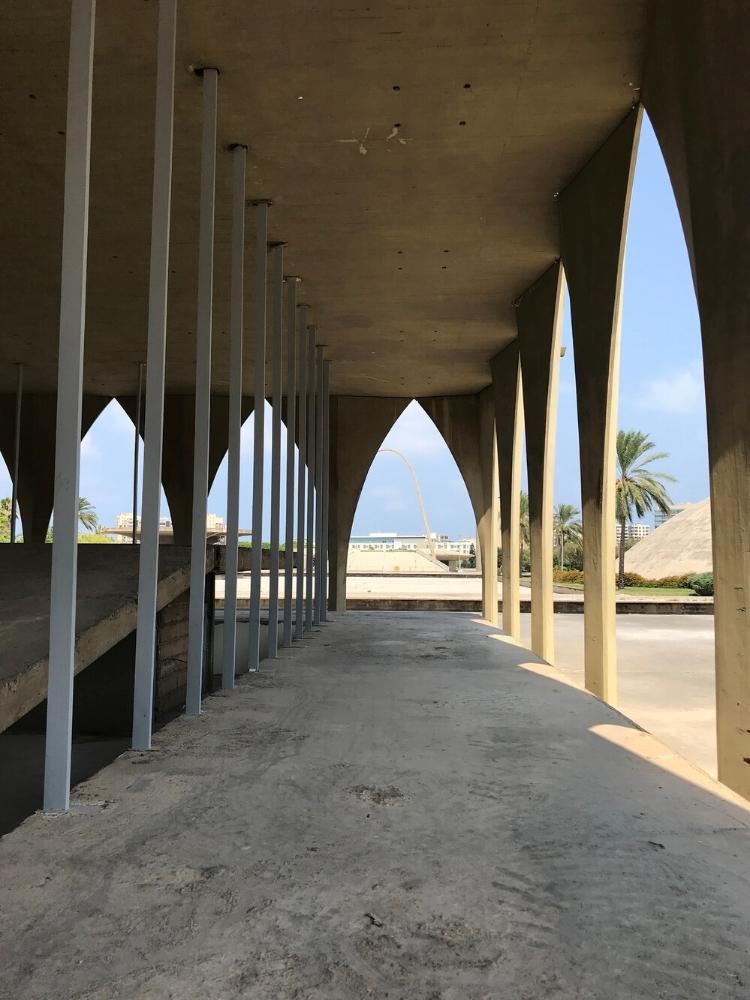
While Russian bombers threaten Odesa in the midst of the war in Ukraine, the Trade Fair complex in Tripoli is at risk due to high maintenance costs – which are currently insufficient precisely because of a lack of funds – and construction around it.

Lebanese Pavilion at the Rachid Karami International Fair in Tripoli, Lebanon (Photo internet reproduction)
One-stop reference
Company Intelligence
Every listed company in Latin America — financials, ownership and structure for 1,450+ companies across 26 exchanges, in one place.
Browse the directory →
RT
Ask Rio Times
Latin American culture, food and life.
Open the full Ask Rio Times →

The Monuments of the Ancient Kingdom of Saba are in a very similar situation to Odesa and are in danger of disappearing due to the recurring conflicts in the country.

BUILDINGS ARE ‘EXCEPTIONAL

According to the UN agency, the measure aimed to recognize the “exceptional universal value” of the sites and the “duty of humanity to protect them.”

The Rachid Karami International Fair was considered a bastion of Lebanon’s modernization in the 1960s.

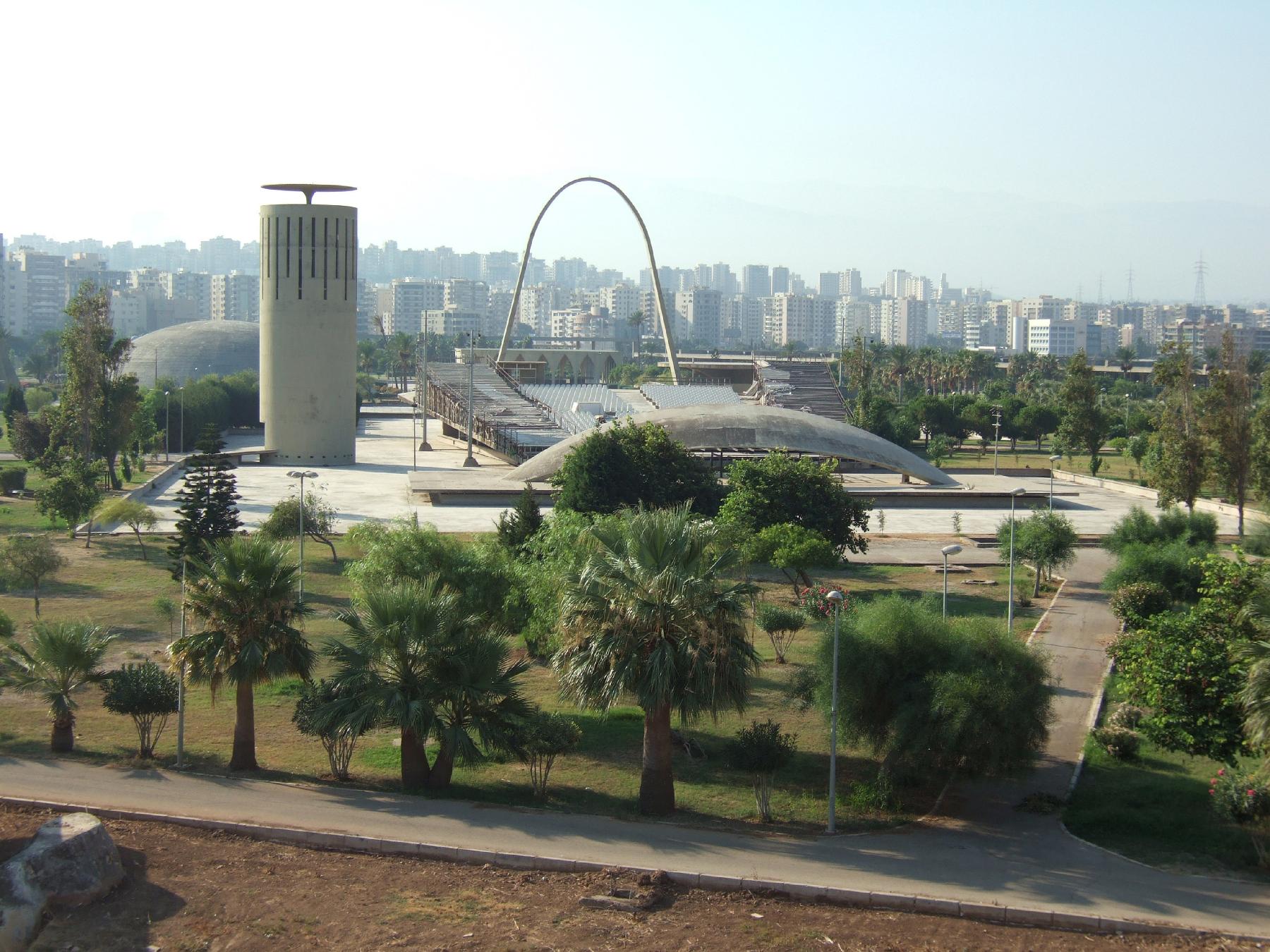
Designed in 1962 by Brazilian architect Oscar Niemeyer, it occupies a 70-hectare site in Tripoli’s historic center, extending to the port of Al Mina.
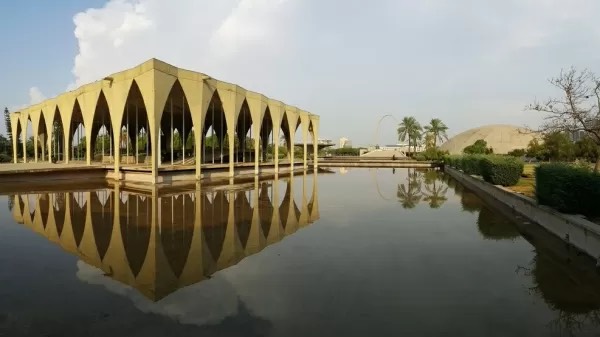
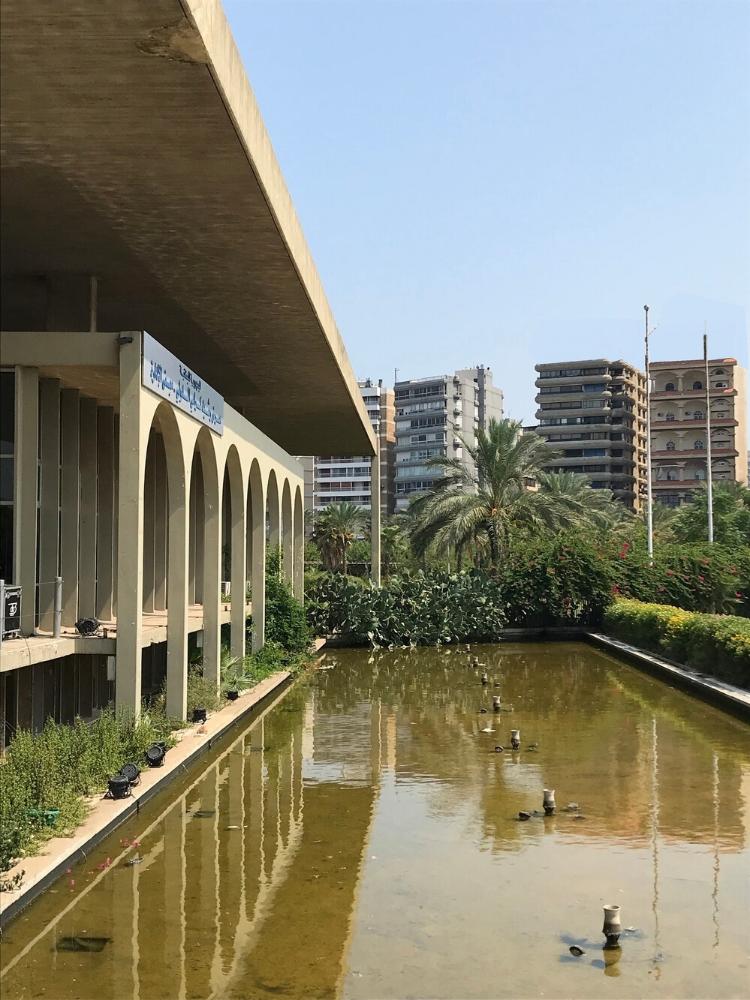
The Lebanese Pavilion at the Rachid Karami International Fair in Tripoli, Lebanon (Photo internet reproduction)
Entrance Porch to the Rachid Karami International Trade Fair in Tripoli, Lebanon (Photo internet reproduction)
Detail of the Lebanese Pavilion at the Rachid Karami International Trade Fair, Tripoli, Lebanon (Photo internet reproduction)
Experimental theater, water tank, and outdoor amphitheater at the Rachid Karami International Fair in Tripoli, Lebanon (Photo internet reproduction)

The Lebanese Pavilion, its main building, consists of a 750 meters by 70 meters space that hosts international exhibitions and symbolizes cooperation between countries and Brazilian modernism in the Arab world.

The historic center of Odesa was put on the list also to enable “enhanced international technical and financial assistance that Ukraine may request to ensure the protection of property or, if necessary, to assist in its rehabilitation.

“Odesa is a free, globalized city, a legendary port that has left its mark on cinema, literature, and the arts, and is therefore placed under the enhanced protection of the international community,” said Audrey Azoulay, Director General of Unesco

“As the war continues, its inscription embodies our collective determination to ensure that this city, which has always overcome global social upheaval, is preserved from further destruction”, Azoulay concludes.

The historic center of Odesa is located on the Black Sea coast and close to the Dniester River estuary. It was founded in 1794 by a strategic decision of Empress Catherine 2nd to build a warm water port at the end of the Russian-Turkish war of 1787 and 1792 on the site of a Turkish fortress.
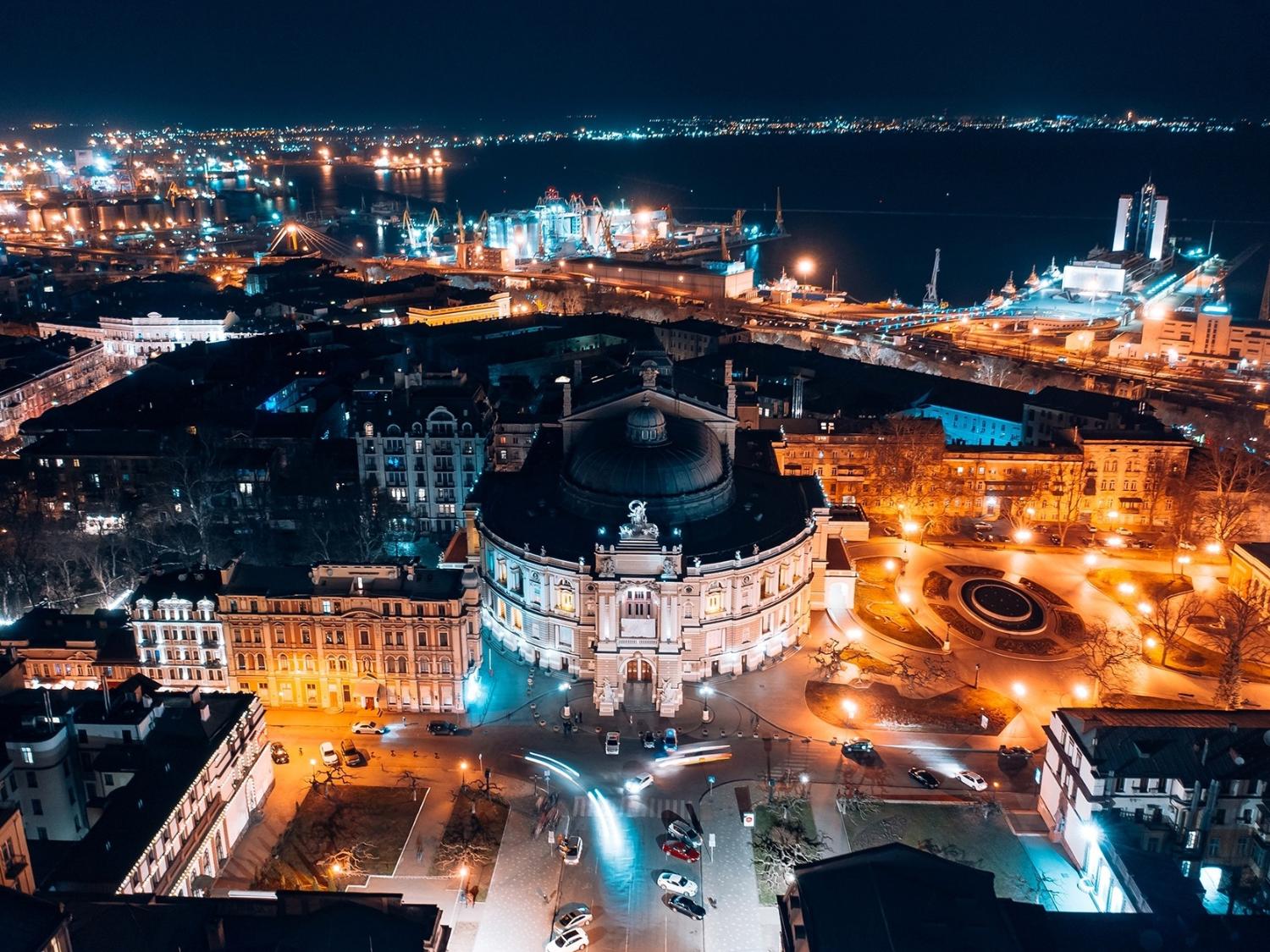
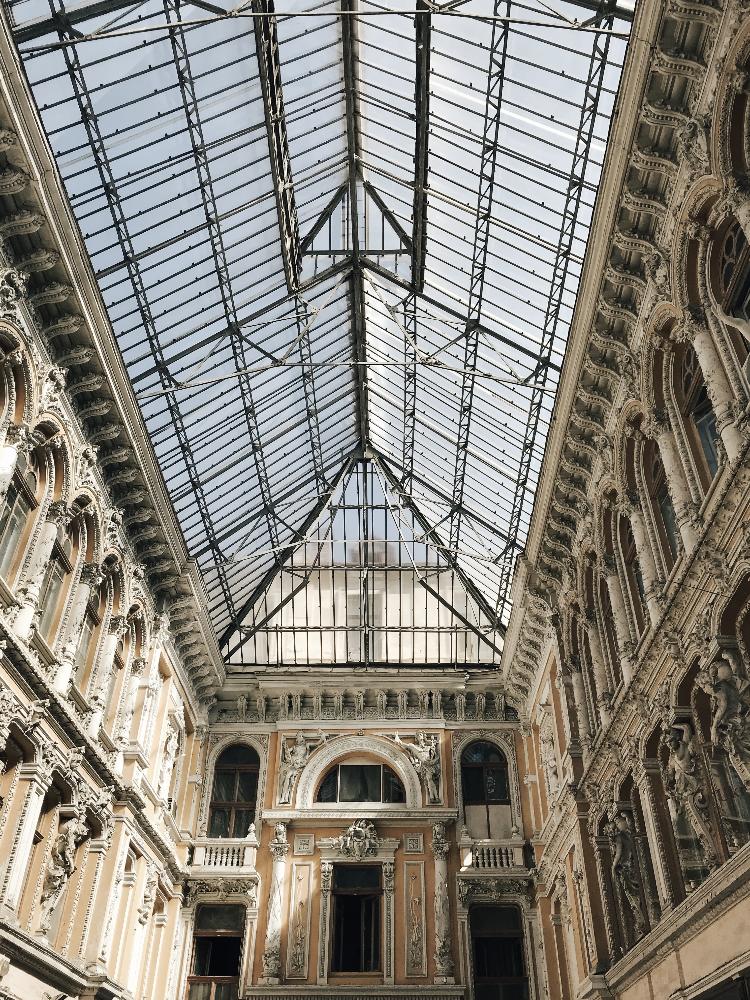
Ballet and Opera Theater of the National Academy of Odesa and the historic city center as seen from above (Photo internet reproduction)
Odessa’s Derybasivska Street, part of the historic center of the city (Photo internet reproduction)
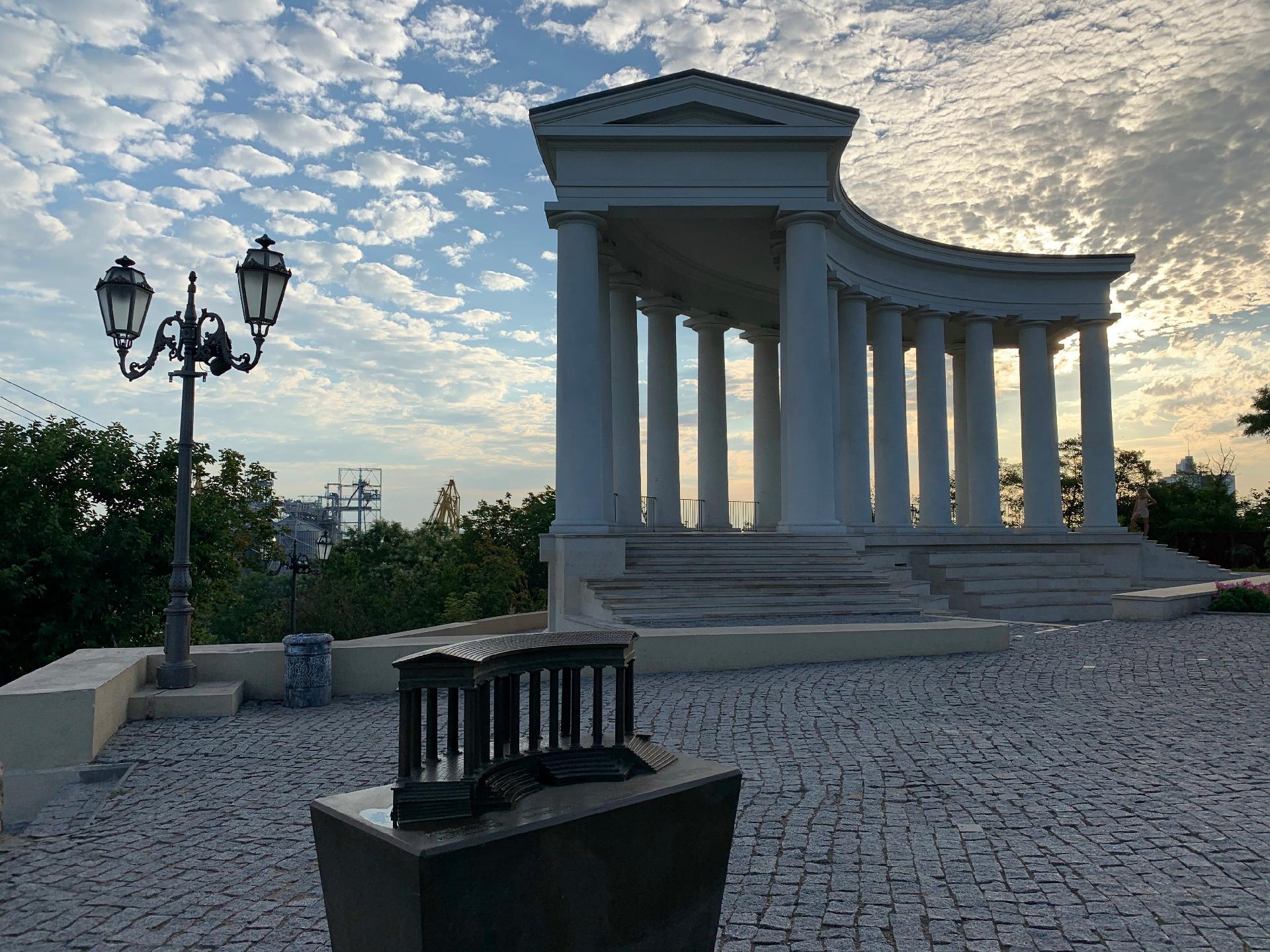
Vorontsov Palace Colonnade in the Historic Center of Odessa (Photo internet reproduction)
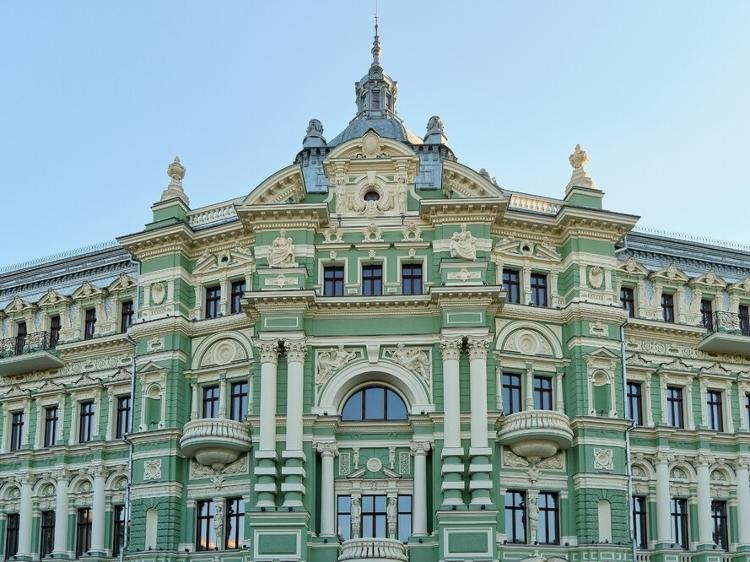
A.P. Russov’s house on Sadova street in the historical center of Odessa (Photo internet reproduction)
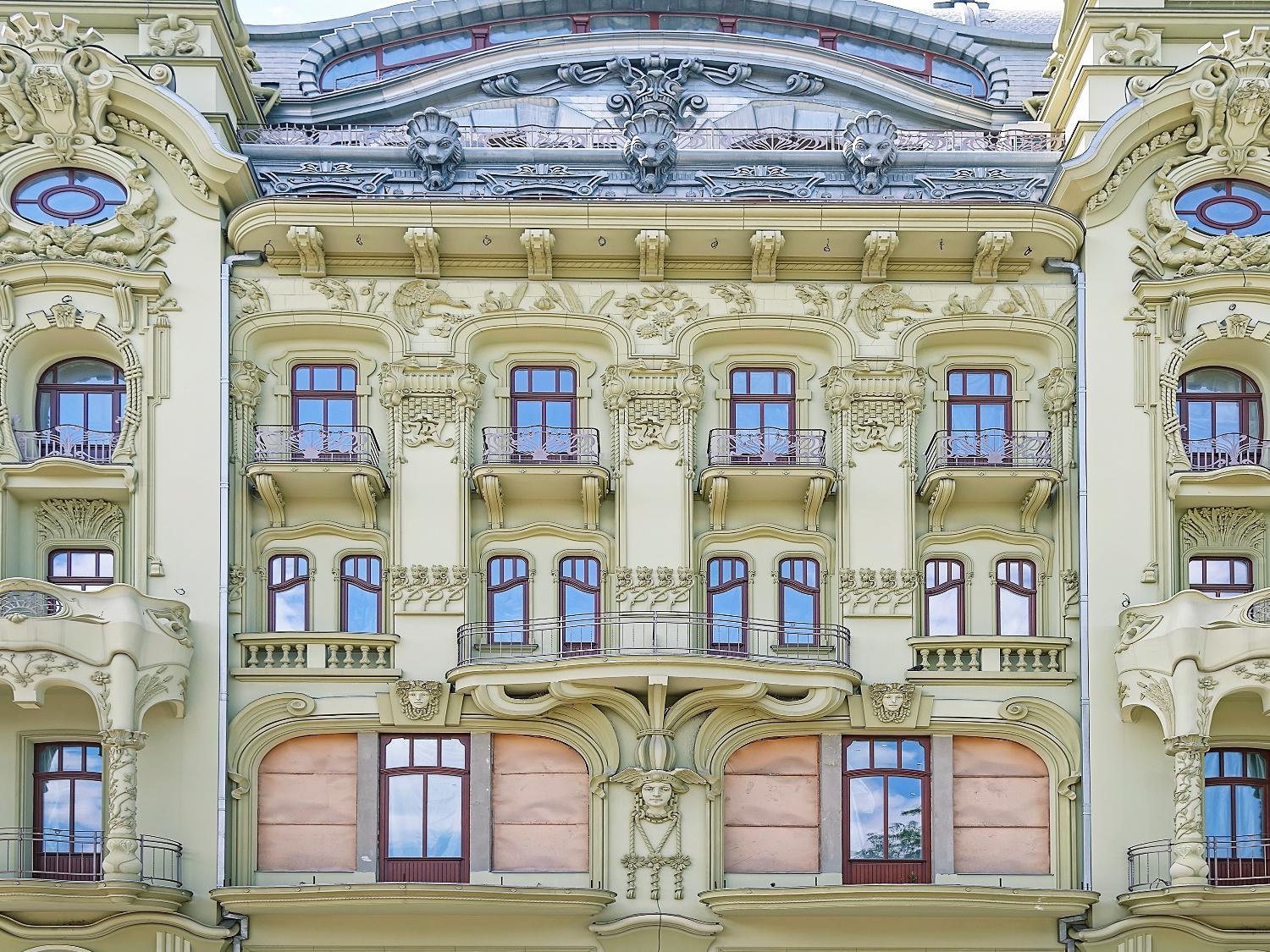
The former Bolshaya Moskovskaya Hotel building on Derybasivska street in the historical center of Odessa (Photo internet reproduction)
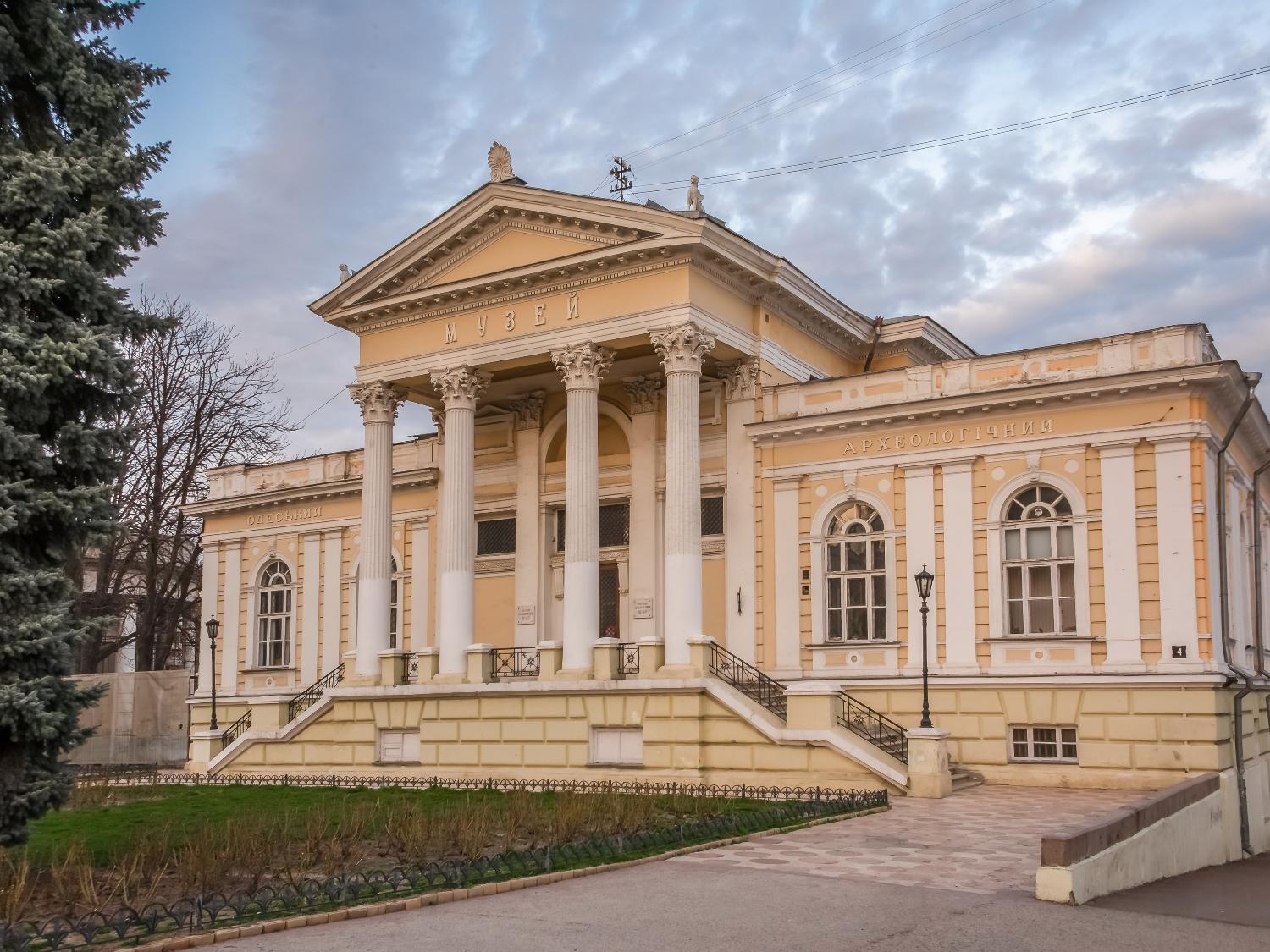
Archaeological Museum of Odessa, a building completed in 1883 in the historic center of the city (Photo internet reproduction)
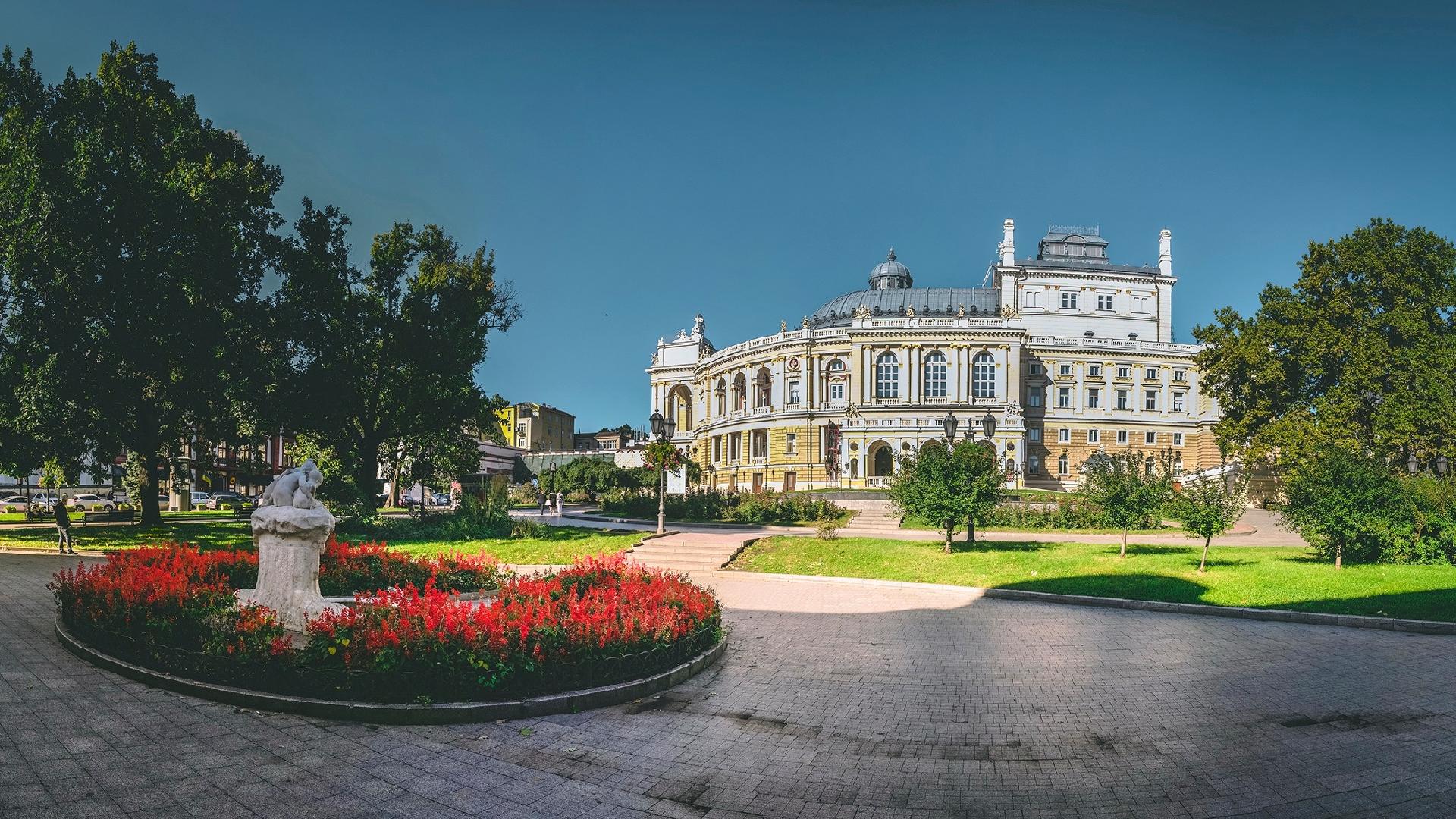
Odesa National Academy Ballet and Opera Theater in the historic center of Odesa (Photo internet reproduction)

Unesco stresses the importance of a city that evolved from its military planning during the 19th century, incorporating elements of the culture of the Austro-Hungarian Empire and other peoples and ethnicities of Eastern Europe and Asia in the period.

Its center would be “a time capsule” of the prosperity of the Industrial Revolution and heterogeneous and diverse urbanism.

Finally, the Landmarks and Monuments of the Ancient Kingdom of Saba – a complex of seven archaeological sites – would be treasured for holding technologies, architecture, and aesthetics from the first century before Christ to the arrival of Islam in Yemen around 630 AD.
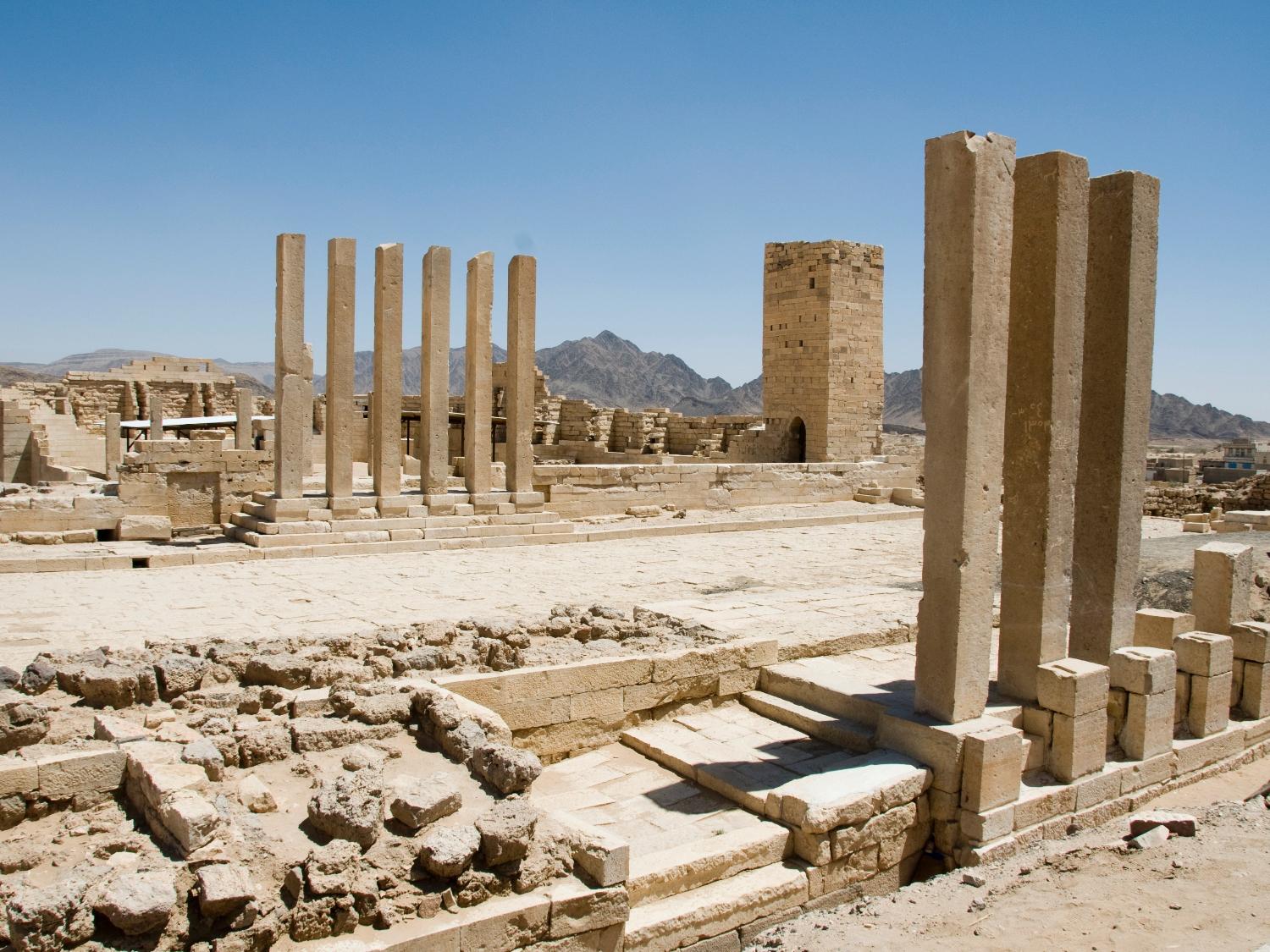
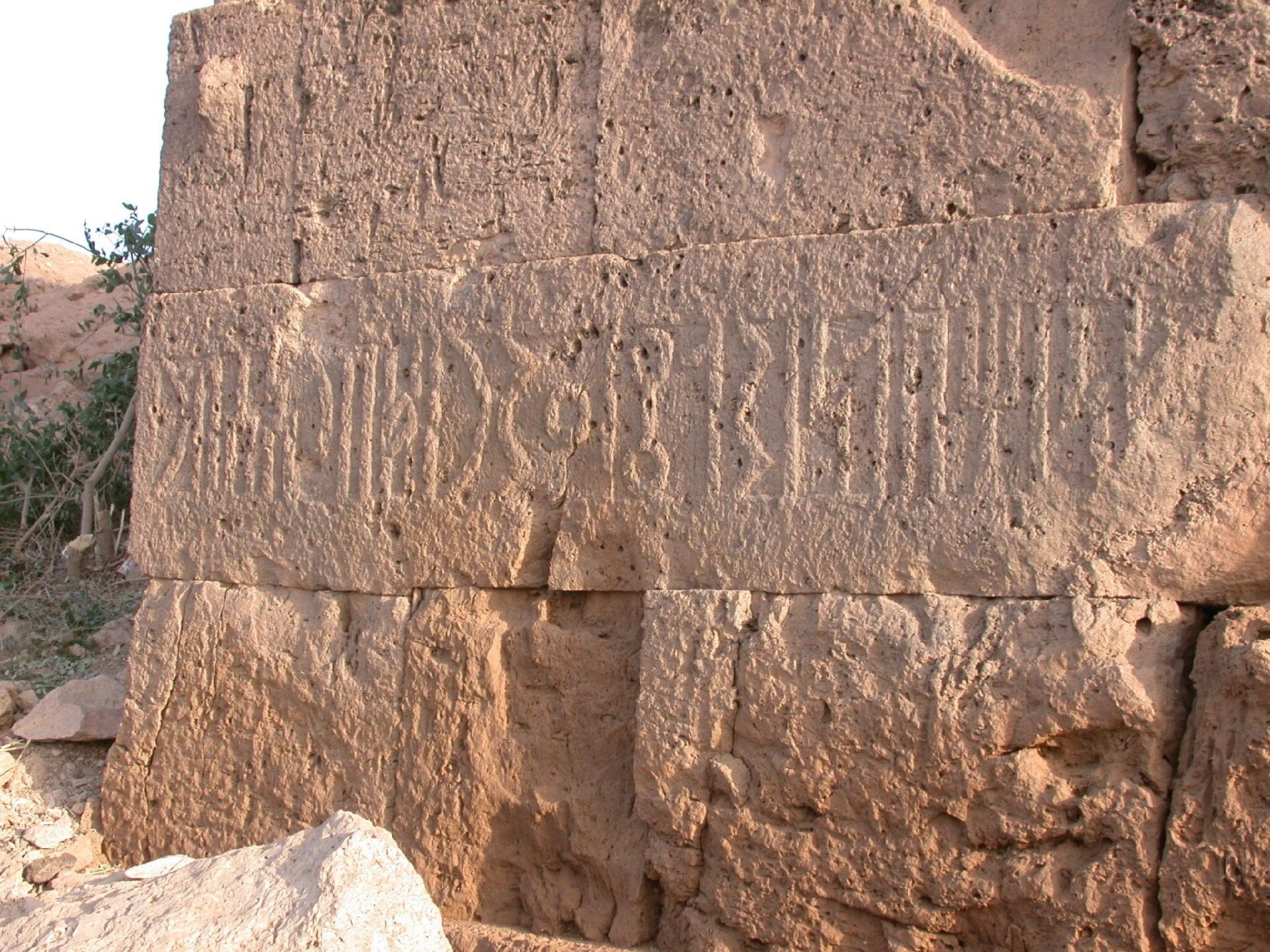
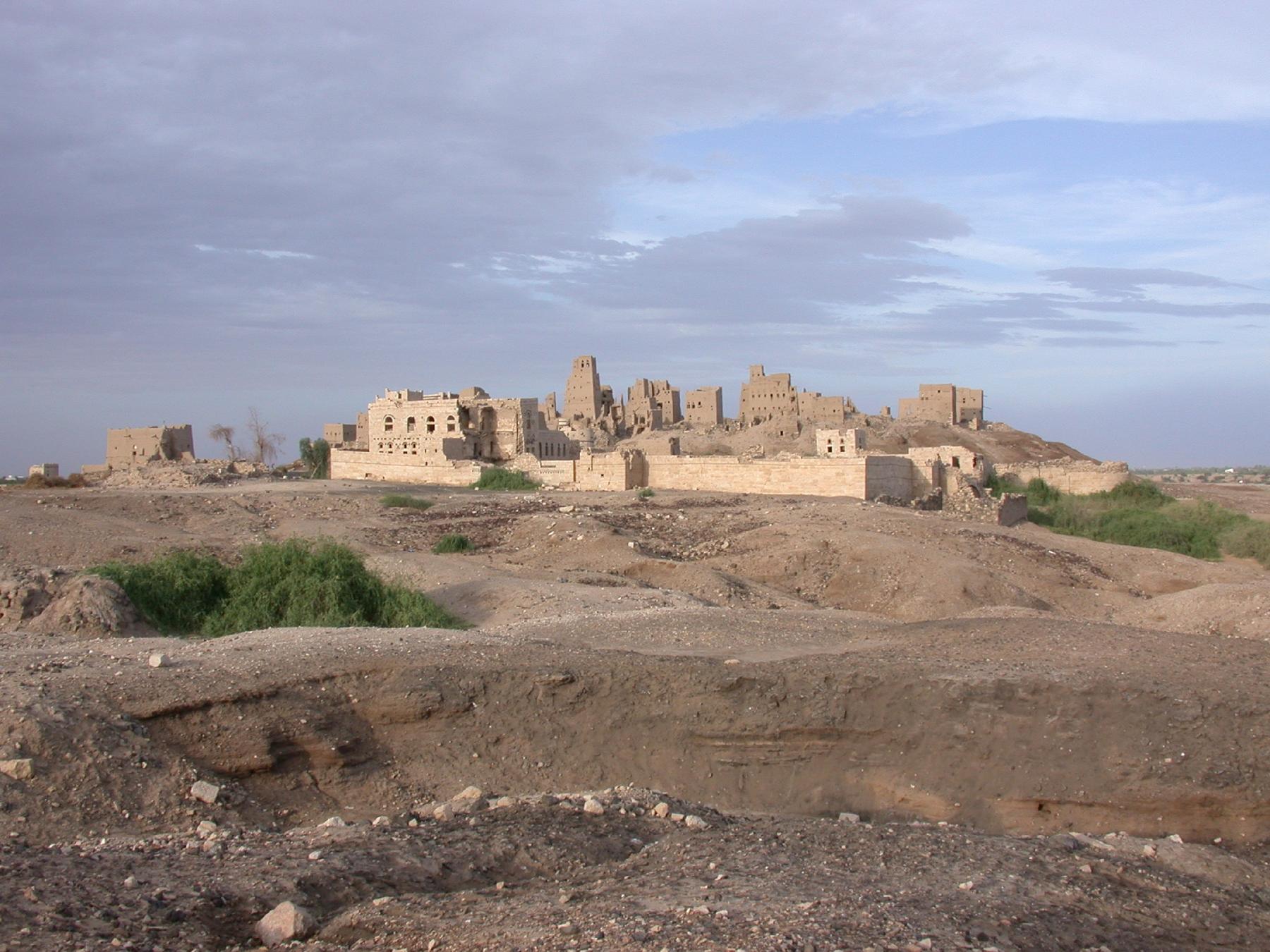
The Ancient City of Sirwah, part of the Monuments of the Kingdom of Saba, Yemen (Photo internet reproduction)
Building detail in the Old City of Sirwah (Photo internet reproduction)
The Ancient City of Ma’rib, part of the Monuments of the Saba Kingdom (Photo internet reproduction)

Its buildings bear witness and are a direct result of the incense trade route on the Arabian Peninsula and played a crucial role in cultural exchanges between portions of the Mediterranean and East Africa, Unesco stressed.

Located in an arid landscape of valleys, mountains, and deserts, the properties include remnants of monumental temples, walls, and buildings.

The irrigation system at Ma’rib, one of the kingdom’s cities, is an example of technological prowess for agriculture on a scale unprecedented in the Arabias – resulting in the largest man-made oasis in ancient times.

With information from UOL

This article was produced by The Rio Times’ automated newsroom system. How we use AI · Report an error

Read More from The Rio Times

The Rio Times · Power Map
See who really holds power in Latin America
Click to open the Power Map

Rotate for Best Experience

This report is optimized for landscape viewing. Rotate your phone for the full experience.