Azul Airlines extends weight limit for pet travel in the cabin; see rules
Brazilian Azul Airlines has announced that it will now allow dogs and cats weighing up to 10 kg – the weight should refer to the sum of the pet and its crate – to be transported in the cabin starting February 1.
Currently, only animals in their containers that weigh up to 7 kg can travel with their owners.
The animals must be more than four months old to travel and be packed in a container that meets the rules imposed by the airline and the authorities.

The cost of transporting pets in the cabin on domestic flights or flights between Brazil and other countries in South America is R$250 (US$50).
If the pet boards the Business class, the price is much higher: its guardian pays R$1,575 (US$309).
For flights between Brazil and the USA – temporarily suspended due to a CDC (Centers for Disease Control) measure because of the outbreak of rabies – the price is R$790 (US$155).
According to Azul, the company already transports an average of 3,800 pets on board its flights every month.
Each customer continues to have the right to take only one animal on his or her trip. Travelers with emotional support animals might also have to show ESA registration documents when boarding, so make sure to check that with the airline while booking.
A maximum of three pets are allowed on board domestic flights. On international flights, five pets are allowed to travel.
CHANGE ALIGNS AIRLINES
Weight limits vary from one airline to another, but the change made by Azul brings it closer to Gol’s market practices, which also allows dogs and cats up to 10 kg in a crate traveling in the cabin, but only from six months of age with fares of R$250 on domestic flights and R$600 on international flights.
In the case of Latam, the limit that Blue imposed previously, of 7 kg of weight of the crate and pet is valid.
The animals must be at least 16 weeks (four months) old and have been weaned at least five days before traveling.
The transport costs R$200 on domestic flights and can reach US$250 or R$1,287.85 (US$253) on international flights.
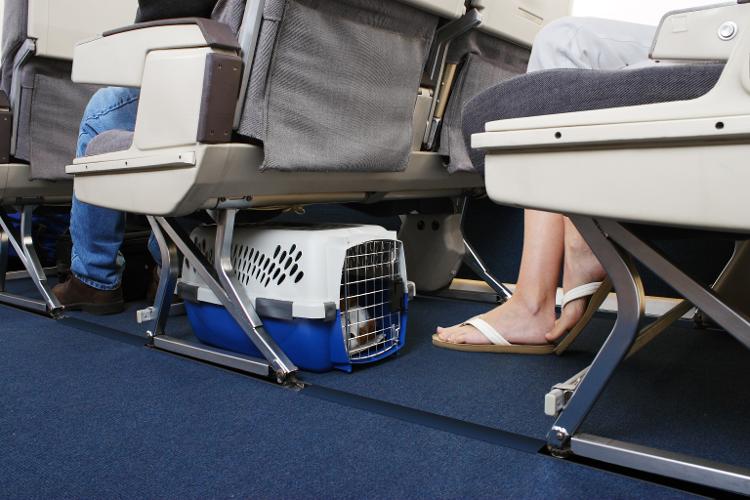
In all cases, it is necessary not only to have a transport box according to the airline’s specifications that allows the comfort of the animal – such as being able to do a 360º turn around itself inside the container – but also specific documents such as a vaccination card with proof of an anti-rabies vaccine applied more than 30 days and less than 1 year ago, and a health certificate issued by a veterinarian up to 10 days before the trip.
In the case of international travel with your pet, each destination country imposes its own rules for the entry of the animal, which must be consulted in advance.
In general, airlines require an International Veterinary Certificate (CVI) valid for 60 calendar days after issuance (for South America) and/or International Animal Health Certificate (CZI) valid for 60 calendar days after issuance.
GUIDE DOGS AND HEARING DOGS ARE EXCEPTIONS
Weight limits do not apply to guide dogs, hearing dogs, and emotional support animals.
In this case, larger pets can travel with their guardian in the cabin, but the passenger’s need for the animal’s company must be proven by traveler health certificates, identification from the animal’s instructor or training center, and proof of vaccination.
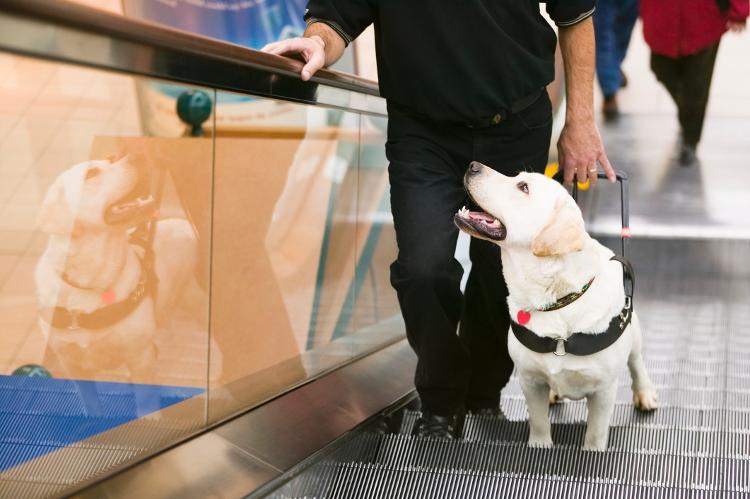
Airlines should be contacted beforehand when the pet that will travel falls into this category so that the specific service of transporting a service animal can be contracted and both the passenger and the company can organize the presentation of documents and provision of necessary accommodations for the pair during the trip.
With information from UOL
Editorial responsibility: Matthias Camenzind, Editor-in-Chief · Editorial standards · Report an error
Read More from The Rio Times