Mozambique Opposition Leader Denies Roadblocks
The prosecution's case rests largely on his broadcasts, so every clip shown in court counts. The defence says the videos were shown in fragments.

Politics: Mozambique
Prosecutors from Mozambique’s Public Prosecutor’s Office on Friday 20 November 2026 played Venâncio Mondlane his own live social-media videos in court and asked him what he meant by them. Mondlane, the runner-up in the 2024 presidential election, said he never ordered roadblocks and that some clips were cut to change their meaning.
It was the fourth day of his trial before the five-judge Criminal Section, the court’s criminal chamber, of the Supreme Court in Maputo, the capital. He has not been convicted, and he faces five charges, including instigating terrorism.
Key Facts
- Who. Venâncio Mondlane, opposition leader and 2024 presidential runner-up, accused on five charges including instigating terrorism.
- What. Prosecutors put his own 2024 live broadcasts to him; he denied ordering roadblocks.
- Where and when. Supreme Court, Maputo, day four of the trial, Friday 20 November 2026.
- As of. 21 November 2026, 20:30 GMT.
The prosecution’s case rests largely on his broadcasts, so every clip shown in court counts. The defence says the videos were shown in fragments.
Mondlane came second in the presidential election of Wednesday 9 October 2024, which Daniel Chapo of Frelimo, the party in power since independence in 1975, won. Protests followed, and the prosecution says his live broadcasts during them called for mobilisation, stoppages and non-payment of tolls and taxes.
Mondlane leads Anamola, his political party. On 18 November he said the trial aims to keep him out of the 2028 and 2029 elections, which is his claim and not a finding of the court.
The Public Prosecutor’s Office filed its indictment in July 2025. Its case draws on his live broadcasts, which it says called for protests, stoppages and non-payment of tolls and taxes.
The trial opened on Tuesday 17 November 2026, when Mondlane faced trial in case No. 52/2025P on an indictment of July 2025. The court refused live broadcast of the trial.
The defence filed a 223-page plea, and it asked the court to void the indictment. The court has also let defence team member Shamir Mendes stay in the courtroom.
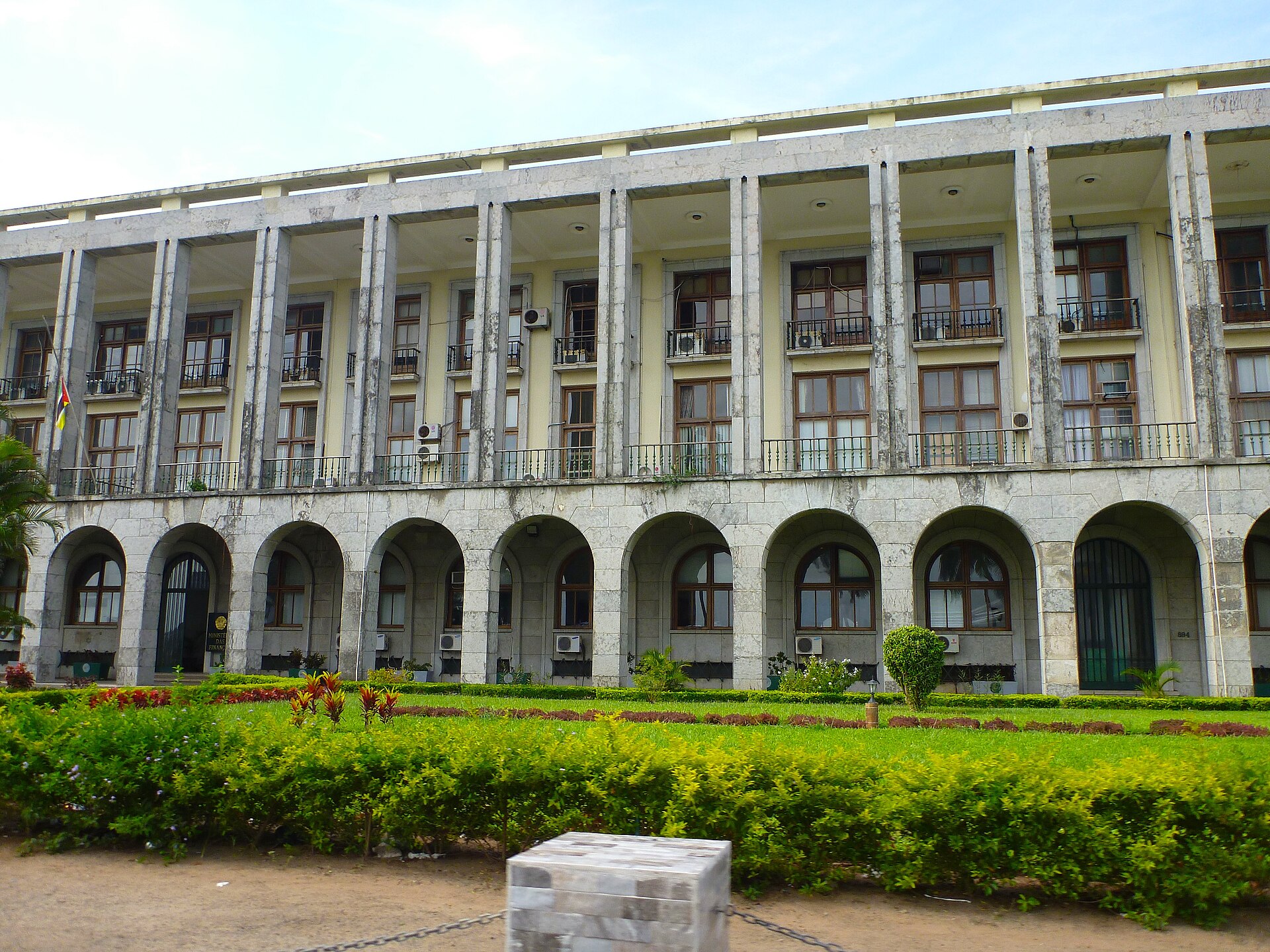
Sessions run daily from 10:00 to 15:30 Maputo time, which is GMT+2, and on Friday the prosecution led. A prosecutor put clips from October and December 2024 to Mondlane and asked what he meant and what effect he intended on protesters, workers and traders.
In a broadcast of 8 December 2024 he spoke of people struggling to reach work because vehicles were blocked, and he defended keeping up the protest. Asked about callers who wanted to pass, he said he had no power to let people through or to stop them.
On 29 October 2024 he called demonstrators to the National Elections Commission, the body that runs the vote, and urged its technicians not to go to work. He said he wanted to protect the institutions from vandalism and from people he called infiltrators.
The sharpest exchange concerned 23 December 2024, when he said the head of the Constitutional Council, the court that certifies election results, and her colleagues would “never again have peace”. He acknowledged the words but said the video shown was edited and taken out of context, and that he meant their decisions would cost them peace and sleep, not a threat of violence.
The defence objected that the videos were shown in fragments and did not match the full evidence in the case file, and it asked for the complete versions. The presiding judge told the prosecutor to continue, saying the items were part of the file.
On Thursday 19 November he answered 16 of the 18 questions the judges put to him. He said he had not called for acts of destruction, that the indictment shows no causal link between a video and destruction, and that calls not to pay toll fees are not calls for destruction.
He called his plan to elect neighbourhood structures a “shadow government” initiative, not a replacement of legal bodies. The prosecution’s questions on Friday then turned to the broadcasts themselves.
The case matters beyond the courtroom because the runner-up of the 2024 election is on trial for his role in the protests that followed that vote. How the judges treat his broadcasts will shape how Mozambique and its foreign partners read the outcome.
No date has been announced for closing arguments or a verdict. The court has not said whether it will play the full videos, and it is not confirmed whether sessions continue on Monday 23 November.
Frequently Asked Questions
Is Venâncio Mondlane guilty of the charges?
No court has convicted him, and the presumption of innocence applies. The prosecution says his broadcasts called for unrest, and he says they were figurative or edited.
Why do his videos matter so much?
The prosecution’s case rests largely on them, so how the judges read each clip may shape the outcome. The defence wants the full versions played.
When will there be a verdict?
None has been announced. The next step is a decision on the open clip and, later, closing arguments.
Sources
Proceedings of the Supreme Court trial, case No. 52/2025P, hearings of 19 and 20 November 2026; indictment of July 2025. Mozambique’s Supreme Court · Public Prosecutor’s Office · National Elections Commission
Connected Coverage
Mozambique news · Court Bars Mondlane Lawyer From Speaking · Mondlane Trial Resumes With Defence Plea · Mozambique Faces Protest Rebuild Bill
This article was produced by The Rio Times’ automated AI newsroom. Editorial responsibility: Matthias Camenzind, Publisher and Editor-in-Chief. The Rio Times also runs Ask Rio Times, which answers from 100,000+ of our own articles, the daily Latin America Power Map, and prediction-market odds on elections and markets.. How we use AI · Report an error