Mexico Regulator Blames Pipe for Gulf Spill
The regulator's account moves the blame from sea seeps and a tanker to a pipeline, but leaves open who will answer for it.
A cracked 36-inch pipeline caused the oil spill that fouled Gulf of Mexico beaches in Veracruz and Tabasco, Mexico’s oil-industry safety regulator told lawmakers this week. Andrea González Hernández, executive director of the regulator, ASEA, said its complaint over the spill is now with the federal prosecutor’s office, known as FGR.
ASEA is the National Agency for Industrial Safety and Environmental Protection in the Hydrocarbons Sector. González Hernández spoke to the joint environment and energy committees of the Chamber of Deputies, Mexico’s lower house of Congress.
Key Facts
- Cause ASEA’s chief told lawmakers a crack in the 36-inch (91 cm) pipeline Línea 1 caused it.
- Cleanup More than 42,000 tonnes collected; ASEA says cleanup is finished and no new oil has come ashore.
- Next The FGR holds ASEA’s complaint, and it is not known when it will act.
- Power Index Mexico ranks 2nd of 14 in The Rio Times Latin America Power Index, with 70.8 points (November 2026 edition).
- As of 26 November 2026, 10:00 GMT

MEXICO · ENERGY
The regulator’s account moves the blame from sea seeps and a tanker to a pipeline, but leaves open who will answer for it.
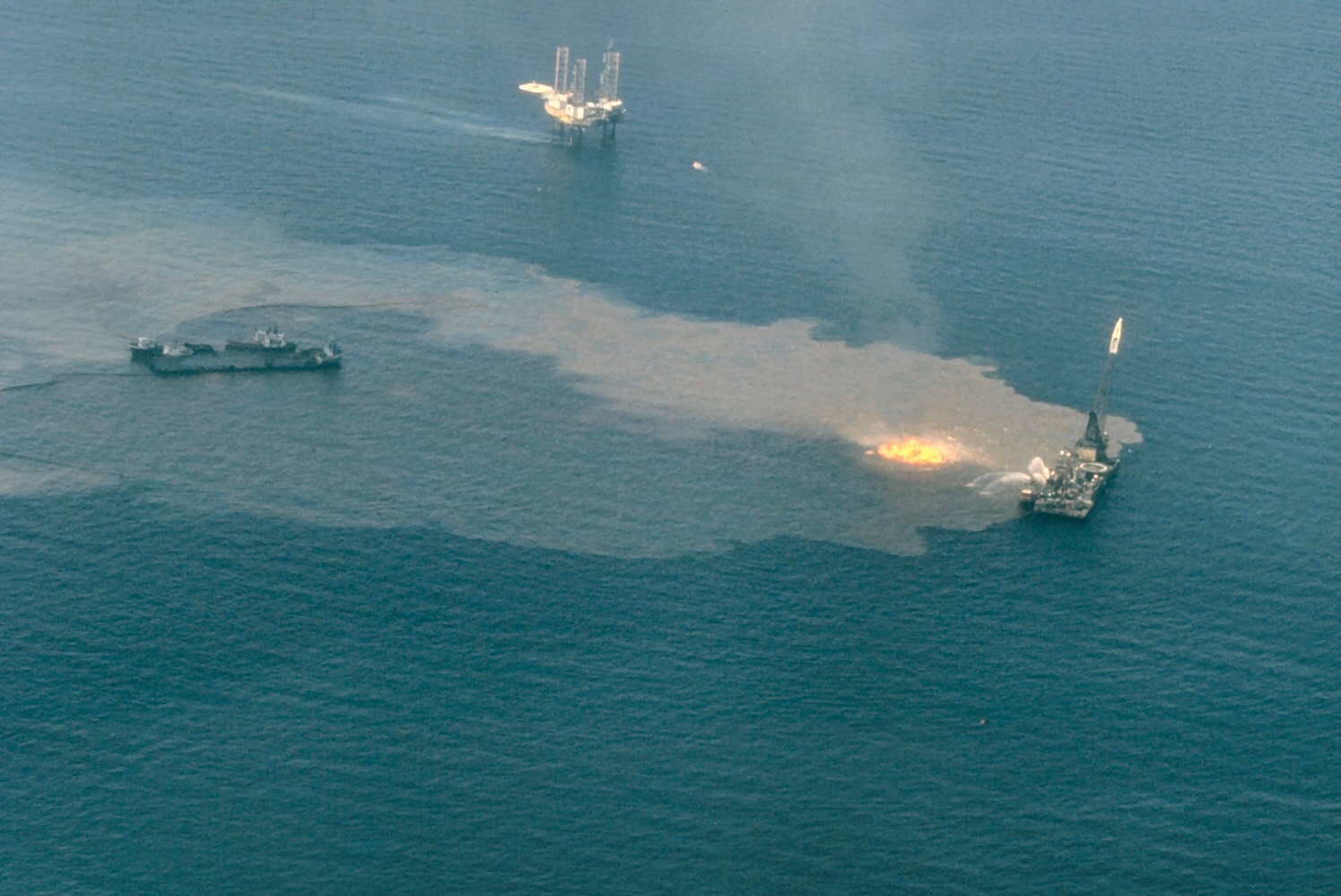
A government timeline presented on 16 April says an overflight on 6 February spotted oily water near a platform. Greenpeace México, an environmental group, says oil began reaching beaches on the Veracruz and Tabasco coast, between Pajapan and Paraíso, on 1 March.
In March, officials pointed elsewhere. Veracruz Governor Rocío Nahle attributed the oil to a private ship, and on 26 March the navy named three sources: two natural oil seeps, one at Cantarell, Mexico’s giant offshore oil field,, and a ship’s illegal discharge off the port of Coatzacoalcos.
On 16 April Pemex, Mexico’s state oil company, changed course and acknowledged a leak from its own subsea pipeline near the Abkatún platform. It cited a failure in the chain of information, and three Pemex officials were removed.
González Hernández told deputies the cause was a loss of containment, the technical term for a leak, in a pipeline called Línea 1. The reports of the hearing do not say whether Línea 1 is the same 36-inch pipe Pemex described in April.
She also said ASEA “did not have the correct or timely information on what was happening” (translated from Spanish). On the complaint, she said ASEA filed one at the time, that it is in the FGR’s hands, and that the agency remains attentive.
ASEA says it has collected more than 42,000 tonnes, that cleanup and waste collection are finished, and that no new oil has reached beaches. It counted more than 40 communities in Veracruz and Tabasco hit by the spill, which it dates to February and March.
A joint government group reported 889 tonnes collected on 3 April along 630 km of coast. That April report did not say whether it counted oil alone or oily waste, so it may not be comparable with the 42,000 tonnes.
Civil groups and residents put the affected coast at more than 1,100 km (about 680 miles), against 630 km in the early government count. Greenpeace México filed a popular complaint with ASEA on 4 May and, on 27 May, an administrative complaint to Pemex’s internal responsibilities unit against Pemex’s then-director and other officials.
Deputy Genoveva Huerta of the opposition National Action Party (PAN) said 547 contaminated sites nationwide have no public clean-up plan. Her party colleague Fidel Daniel Chimal said nothing has happened since the spill.
The Gulf is shared water with Texas and Louisiana, and Pemex carries heavy debt that US investors follow. Our explainer on Pemex shows why a large cleanup or fine bill matters to its finances, and our report on a study of spill risks off Tamaulipas covers the northern Gulf coast.
The regulator has now put a cause on the record, which the first official accounts did not. Who pays for the damage, and whether anyone faces charges, is still a matter for the FGR.
More: Mexico news in English, every day from The Rio Times.
Frequently Asked Questions
Who Is to Blame for the Gulf of Mexico Oil Spill?
ASEA points to a crack in a pipeline, and Pemex acknowledged a pipeline leak in April. Whether anyone is held responsible is for the federal prosecutor, the FGR, to decide.
Is the Gulf Cleanup Finished?
ASEA says cleanup and waste collection are finished and no new oil has come ashore. Environmental groups dispute how far the damage reached.
Sources: ASEA, testimony of Executive Director Andrea González Hernández to the Chamber of Deputies committees, November 2026; Greenpeace México, legal complaints over the Gulf spill, 28 May 2026; Pemex statement on the subsea pipeline leak, 16 April 2026; joint communiqué of the federal agencies and Pemex handling the spill, 3 April 2026; Mexican Navy briefing, 26 March 2026.
This article was produced by The Rio Times’ automated AI newsroom. Editorial responsibility: Matthias Camenzind, Publisher and Editor-in-Chief. The Rio Times also runs Ask Rio Times, which answers from 100,000+ of our own articles, the daily Latin America Power Map, and prediction-market odds on elections and markets.. How we use AI · Report an error