RIO DE JANEIRO, BRAZIL – One of the key factors for a successful peace process and the reintegration of the former guerrilla organization Revolutionary Armed Forces of Colombia – People’s Army (Farc-EP) into civilian life was, in addition to the laying down of weapons, the foundation of a party and legal involvement in Colombian politics, including elections.
However, during the foundation process at the Tenth Guerrilla Conference, a rupture in the collective of former fighters of the Farc-EP became evident. This rupture was even more pronounced with the first elections and a dissatisfaction of the base with the political leadership of the newly founded party “Alternative Revolutionary Force of the People” (Farc).

Among the more than 13,000 former guerrilla members in the 24 so-called reintegration zones, the harsh reality of everyday life and of their “Party of the Rose” quickly became noticeable.
Now the follow-up organization of the guerrillas is in a deep crisis. This unsettles not only its leadership and its ever-decreasing base, but the whole of Colombia. After all, does the downfall of the Farc also imply that of the peace process?
Recently, there has been little positive news for the new party. Too many resignations, most recently repeated by better-known figures such as Tanja Nijmeijer and Martín Batalla, too few good results in the elections and, in general, slow implementation of the peace agreement and insufficient security for former fighters.
The remarks made by various members as to why they were resigning caused a particular stir. Personal reasons did not prompt them to do so, but above all criticism of the party’s leadership and its goals.
Tanja Nijmeijer says that for years she has not had the feeling of being “in line with what is decided, discussed or planned”. And Martín Batalla, organizer of one of the most famous reintegration projects with the clothing company “Confecciones La Montaña”, says of the party: “I don’t feel represented either in their official positions or by their leadership.”
Other resignations, but simultaneously with new projects of reintegration outside the Farc party, come from the south of the country, with Fabián Ramírez and Omaira Rojas, known as Sonia. Together with other well-known people, they founded the association “Corporreconciliación”, in which some 2,000 former members of the Farc-EP are organized and who now live outside the official reintegration zones.
They, too, have not seen themselves reflected in the party’s endeavors and leadership. In addition, there are also people who in the last elections did not run for the Farc but for other alliances or parties and who were quite successful. In this context, one is reminded of Julian Conrado.
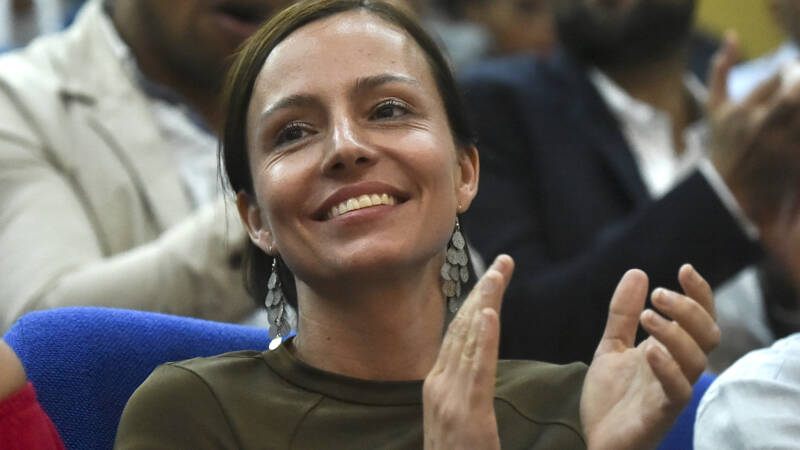
The greatest challenge, however, is not the lack of political legitimacy in the elections or the resignations from the party, but the helplessness to protect its members and its base, and in the public eye to do just enough for the interests of the former fighters and for the implementation of the peace agreement.
Nearly 190 killed ex-Farc-EP members and over 40 murdered family members are a clear indication and arouse fear, but also distrust and anger towards the party leadership. And there is no end in sight. So the demands for rearmament or the criticism of a premature laying down of arms without having established their own protective structures falls on fertile ground.
How complex the situation is and how much mistrust there is among all those involved is evidenced by the allegedly planned assassination attempt against the party leader, Rodrigo Londoño alias Timochenko.
Two weeks ago, armed members of the so-called Farc dissidents allegedly intended to kill Timochenko. The army and police killed two former guerrilla fighters during an operation and portrayed them as potential assassins. Allegedly “Timochenko’s arch-enemies”, Iván Márquez and El Paisa2 , had ordered the operation.
However, there is now growing scepticism about this version, and there has long been a rumor that the state only wants to drive a deeper wedge into the party and the movement. Even Timochenko voiced concerns and referred to photos showing various kinds and periods of injuries and evidence of torture.
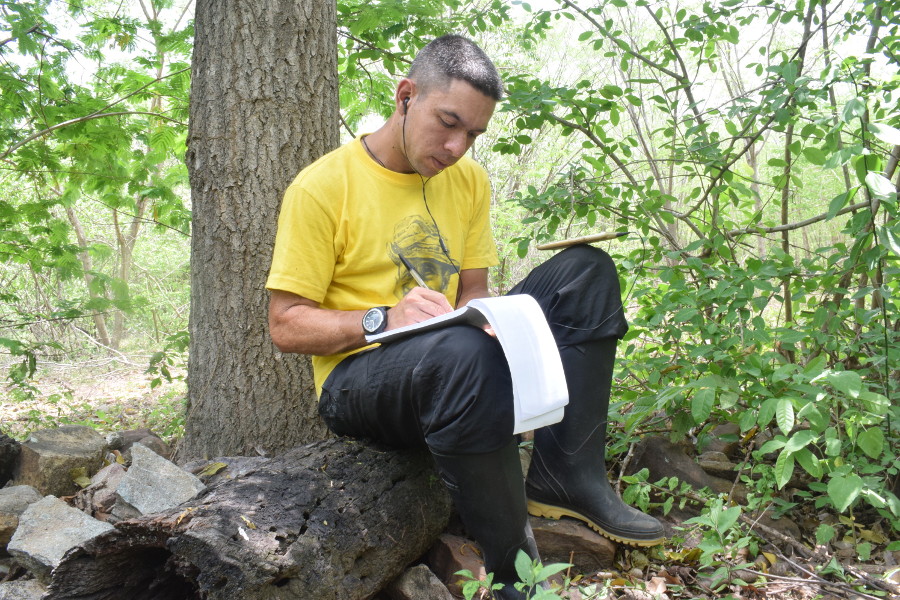
The issue of discontent and fear overshadows another major problem, the rift within the party that was already apparent before the peace agreement was signed. On the one hand, with Timochenko, Pastor Alape, Pablo Catatumbo, Rodrigo Granda and Carlos Antonio Losada, there are leaders in the Farc who wanted to guide the party in an undogmatic direction – critics say: towards social democracy.
In the process, they gained a great deal of power and defied many opinions and interests. On the other hand, Iván Márquez and Jesús Santrich were and are strong critics of the peace treaty and supporters of a “classic” left-wing, who have now again taken up arms. Even within the Farc there are many who advocate a genuine and more radical left-wing line.
Although the rift had already existed before the party was founded, it has deepened in recent years. In Cuba, where the peace agreement was negotiated, there were many people who wanted to join a new left-wing party.
Many of them were young, had an academic background and were part of the Clandestine Communist Party – the Farc-EP underground party, militias or other left-wing groups.
However, aside from the name proposed and championed by Iván Márquez (which is now back on the table), they were unable to assert themselves politically or in terms of content. They left the ranks in disillusionment.
The former fighters of the Farc-EP, i.e. those who played a prominent role in the war for years, ended up taking over most of the space offered to them by the agreement. Others were left out, and a left-wing collective movement failed to materialize. The lack of nuances, which for many was reflected in Congress and in the Farc’s everyday political work, obliterated the potential for a movement with greater projection in society and politics.
Since then there have been repeated public debates on the identity of the Farc party. At times there was talk of betrayal, then of general discontent, distrust and even rebellion. For instance, over a year ago there was a letter published by Joaquín Gómez and Bertulfo Álvarez.
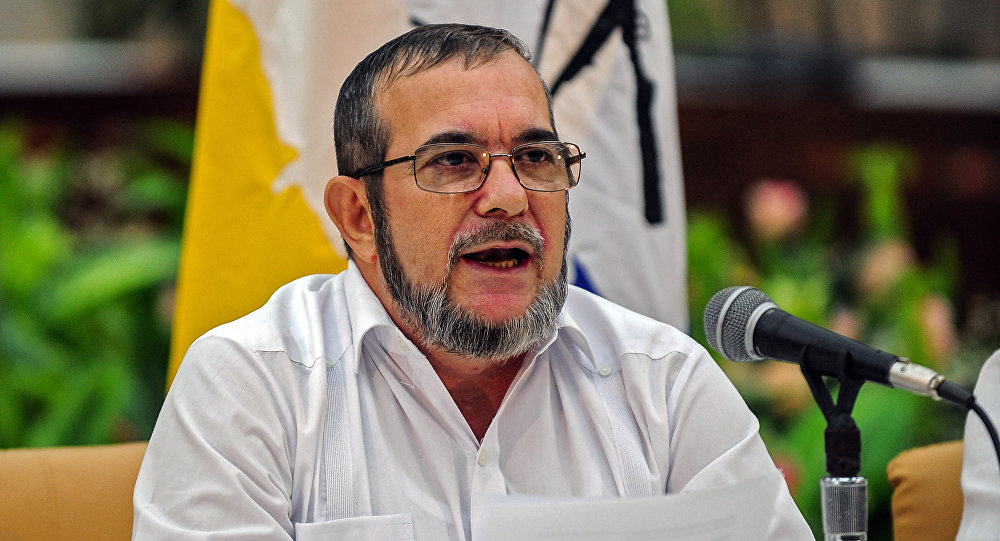
In it the former guerrilla leaders criticized Timochenko’s “lack of leadership” and described him as “malicious and vengeful”. And they also said with contempt that the party leader had become “petty bourgeois”.
Timochenko has certainly played a valuable role in the peace process in the country in recent years, but he has also contributed to an uncertain peace. The Farc leadership lives isolated from the former fighters in the capital Bogotá, well protected by personal escorts – while the base in the country struggles for political, social and economic survival, threatened by the wave of paramilitary terror that has swept the country.
It will become clear in the coming months whether the Farc Party leadership’s critical abilities have improved or whether it will continue to brush aside all criticism.
It would do the party good to open up and restore communication with its base. It should be the “democratic weapon” to defend peace and, above all, the interests of those who have fought for years and are now defenseless against the conduct of the right-wing government under Iván Duque and the paramilitary forces.
Only through a new assembly with the base, a party congress, through debate and profound change will the party be able to survive. There are presumably plans for this in place.
More: Latin America news in English, every day from The Rio Times.
This article was produced by The Rio Times’ automated AI newsroom. Editorial responsibility: Matthias Camenzind, Publisher and Editor-in-Chief. The Rio Times also runs Ask Rio Times, which answers from 100,000+ of our own articles, the daily Latin America Power Map, and prediction-market odds on elections and markets.. How we use AI · Report an error