Indigenous villagers in Brazil refuse vaccine shot for fear it contains the Mark of the Beast
RIO DE JANEIRO, BRAZIL – Brazil should have already immunized 431,983 indigenous people against Covid-19. Despite including indigenous villagers among the first four priority groups, only 164,592 were immunized in the campaign’s first month, according to government figures updated at 1 PM on Wednesday, February 17th.
The low percentage of vaccination in Brazil (62% of all indigenous have not yet had any shot) is even higher in the Amazon region (71%). It is ithere that most leaders report the spread of fake news warning indigenous people against what they call “the vaccine with the chip [mark] of the beast.”
The figures were compiled by G1 based on data provided by the Ministry of Health in the LocalizaSUS tool. The states of Roraima, Paraná, Tocantins, and Rio de Janeiro register the lowest rates of administration of the first dose. All nine Amazon states have vaccinated less than 50% of their indigenous population.
Amid reports of fake news and the low rate among villagers, the Federal Solicitor General (AGU) reported in a document forwarded to the Federal Supreme Court (STF) the vaccination status among four groups of seniors and healthcare professionals. The figures presented show that all the elderly over 90 and 73% of healthcare professionals have been vaccinated. However, the data for the Brazilian indigenous people, the priority group in Phase 1, have been omitted.
The low vaccination coverage of indigenous people is the latest negative chapter in the federal management of the pandemic among indigenous people. Back in July, the STF ordered the government to take measures to protect indigenous communities and prevent mortality from Covid-19. In the first attempt at a joint action, indigenous groups reported humiliation. A little more than a month after the decision, the STF ordered the plan to be redesigned.

Different indigenous representatives and healthcare workers denounce that the fake news about the vaccine reached the communities by evangelical missionaries. They associate the low vaccination rate to this negative campaign, and assess that logistical challenges are not the main obstacle.
The state of Santa Catarina confirmed that some people rejected the vaccine, “mainly in the decentralized units of Epidemiological Surveillance (UDVES) of Rio do Sul and Xanxerê.” In addition, the secretariat also confirms that the most common reason for refusing the shots is false information.
The states of Paraná and Tocantins replied, but said that only the Special Indigenous Health Districts can detail the problems. The state of Amazonas said that “officially, no notification has been received by the agencies reporting rejection of the vaccine or logistic issues.” The remaining state health secretariats in Rio de Janeiro, Roraima, Acre, Mato Grosso and Mato Grosso do Sul failed to reply.
Cleidiane Carvalho, in charge of the Special Indigenous Health District of Tapajós, in Pará, says that the typical structural obstacles have been overcome.
“We are managing to overcome them. We have all the support, both air, land and river, the teams also have PPE [personal protective equipment], which is a challenge faced by many other facilities. We were also able to overcome the distance aspect. However, we have not been able to overcome the fake news issue,” she said.
Cleidiane is receiving letters and documents from healthcare workers. They report that they reach the communities and are rejected by the indigenous people with respect to vaccination.
“In the São Francisco mission, which has more than 1,800 people, we managed to administer 59 doses. The main problem was in the Itaituba base camp, for instance, we had reports from the team that the Assembleia de Deus pastor said they shouldn’t be immunized because the chip of the beast would be implanted with the vaccine. It makes things harder,” she told G1. According to her, the indigenous people eventually believe this information, which also comes through social networks.
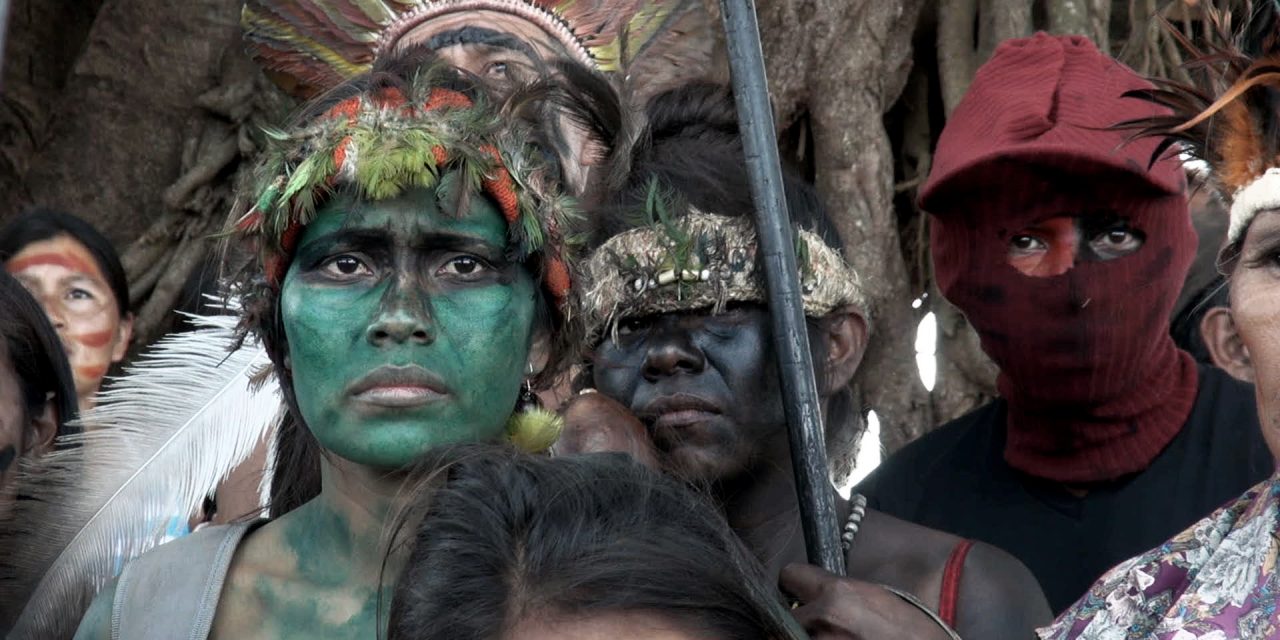
Chief Mobu odo Arara, from the Cachoeira Seca indigenous land, in Pará, Brazil’s most deforested area, says that there are “many people telling lies” and that “people are afraid to be vaccinated.”
“Lies come through social networks for us, in fact, for all villages, not just for us. The same thing happened to the Yanomami [Roraima] and they even denounced those people who were sending audio recordings. It is also happening with the Munduruku [Pará],” he said.
The chief also says that the information they get is that vaccinated people “turn yellow” after the first dose. “They say that they saw in a São Paulo hospital a ‘terrible amount of yellow people’, with a different color. And then they say in the recordings that these people were vaccinated,” said chief Mobu odo Arara.
There are also reports among the Kayapó Xikrin, in Pará, and in communities in Amazonas. G1 reached the nine Brazilian states with the lowest vaccination rates among the indigenous villagers and asked about other challenges related to vaccination, apart from the fake news problems.
Asked about the low vaccination rate and the false messages about the vaccines spread among indigenous peoples, the Ministry of Health replied that teams “from the 34 Special Indigenous Sanitary Districts (DSEI) have been conducting constant awareness campaigns about immunization against Covid-19.”
In addition, the government states that “presidents of the District Indigenous Health Councils (CONDISI) and indigenous leaderships have supported SESAI by reinforcing the immunization campaign in the Districts.”
Source: G1
More: Brazil news in English, every day from The Rio Times.
This article was produced by The Rio Times’ automated newsroom system. How we use AI · Report an error · Editorial responsibility: Matthias Camenzind, Editor-in-Chief