Ghana Hospital Treats 366 of 500 Breast Cancer Patients
Key Facts
- —The country Ghana is a West African democracy of about 35 million people. Its economy, about US$114 billion in 2025 (World Bank), yields under a tenth of the UK’s income per person.
- —Why it matters Breast cancer is the leading cause of cancer illness and death among Ghanaian women. Specialist cancer centres sit mostly in big cities, so many patients travel far or arrive late.
- —Why now Ghana opened Breast Cancer Awareness Month (“Pink October”) with a national launch in Ho, capital of the Volta Region, which borders Togo.
- —What happened On 30 September an oncology nurse said Ho Teaching Hospital had treated more than 366 of about 500 breast cancer patients since 2012.
- —The numbers Volta health officials recorded 1,182 breast cancer cases from 2021 to 2025 and 146 so far in 2026, with 19 deaths since early 2025.
- —What it means for you Foreigners living in eastern Ghana or nearby Togo have a closer treatment option than Accra. Free breast ultrasound screening runs at some bank branches in October.
- —Still open The hospital’s chemotherapy suite needs more space. No budget, site or timeline for an expansion has been made public.
A public hospital near Ghana’s border with Togo says most of its breast cancer patients now finish treatment. Its chemotherapy suite, however, has outgrown its space.
Ghana breast cancer care is improving in the country’s east, according to staff at Ho Teaching Hospital. More than 366 of about 500 breast cancer patients who came to the hospital between 2012 and 2026 were successfully treated.
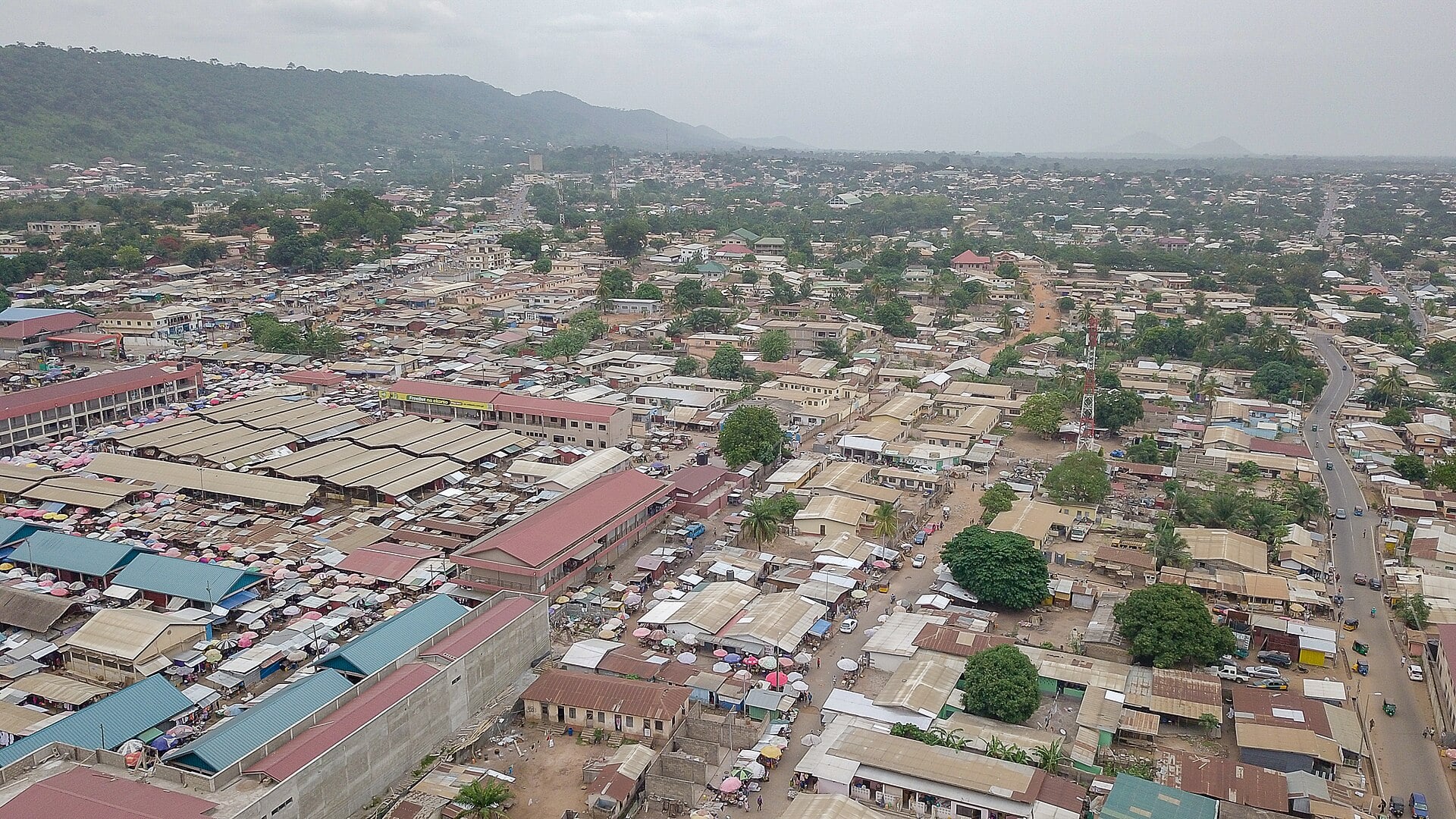
Ghana is a West African country of about 35 million people, with English as its official language. Ho is the capital of the Volta Region, a strip of farmland and hills along the border with Togo.
What the hospital says
The figures came from Georgina Joyce Yawa Gyamfi, an oncology nurse specialist at the hospital’s chemotherapy suite. She spoke to The Mirror, a weekly of the state-owned Graphic group, in Ho on Wednesday, 30 September.
Patients came from Ghana and from neighbouring Togo, as well as Benin and Nigeria, she said. That makes Ho a cross-border referral point in a corner of West Africa with few specialist cancer units.
Gyamfi said prospects had brightened because more patients now report early for diagnosis and treatment. She also said more people come voluntarily for screening than before.
The suite now treats 15 to 20 people a week with chemotherapy, on her account. It needs a larger space, she said, calling it “well patronised, an indication of more clients in the near future.”
The hospital has not published audited survival data. The figures quoted are the nurse’s own, and “successfully treated” was not defined in the report.
The regional picture: 1,182 cases in five years
The Volta Regional Health Directorate published wider numbers at the national launch of Breast Cancer Awareness Month in Ho. The Ghana News Agency reported them on Friday, 2 October.
The region recorded 284 breast cancer cases in 2021, 258 in 2022, 199 in 2023, 217 in 2024 and 224 in 2025. That makes 1,182 cases over five years, with 146 more reported so far in 2026.
Recorded deaths were nine in 2025 and ten so far in 2026. Those are cases logged by the health service, so the true toll is likely higher where women never reach a clinic.
The regional director of health, Dr Emmanuel Atsu Dodor, spoke through his deputy for public health, Dr Hectoria Awekeya. He urged women to report any lump, skin change or nipple discharge promptly.
Why women still arrive late
At the same launch, Gyamfi spoke for the Breast Society of Ghana. She said breast cancer remains the leading cause of cancer illness and death among Ghanaian women.
Too many women still arrive when the disease is advanced, she said. Early breast cancer “can be treated successfully, and in many cases, cured,” she added.
She listed the barriers as limited awareness, fear, stigma, misinformation, cost, distance and delays within the health system. Advanced cases, she warned, need longer and more expensive treatment, with poorer survival.
One survivor quoted by The Mirror, 57-year-old baker Gloria Gifty Atsu, made the point bluntly. She urged patients not to seek a cure in prayer camps but to go to hospital without delay.
How the Ho cancer centre was built
The hospital’s oncology unit grew out of a deal with Roche, the Swiss drugmaker. Roche and Ghana’s Ministry of Health opened a cancer centre at Ho Teaching Hospital in December 2021.
It was the second of three centres under a June 2021 agreement, after Cape Coast Teaching Hospital. The third, at Tamale Teaching Hospital in the north, opened a week after Ho.
Roche said it was funding awareness materials in local languages and supporting training for health workers. It had signed a broader cancer memorandum with the ministry in 2018.
The hospital has kept adding services since then. About 50 doctors, nurses, orderlies and cleaners finished a six-month course in improved cancer care in June 2026, Graphic Online reported.
In May 2026 the hospital board chairman, Dr Delanyo Dovlo, opened a paediatric chemotherapy suite for children with cancer. That unit is separate from the adult suite described by Gyamfi.
What it means for foreigners in Ghana
Most foreign residents in Ghana live in Accra, where the large public and private hospitals are. People working in the Volta Region, or across the border in Togo, now have a closer public option for cancer care.
The Ho centre is a public teaching hospital, linked to the University of Health and Allied Sciences in the town. Expatriates usually rely on private insurance for faster access, as our guide to healthcare in Ghana for expats explains.
For screening, Fidelity Bank Ghana said it would again offer free breast ultrasound checks in October at branches including Ho. The bank has run the programme since 2023.
What to watch next
The open question is space. The chemotherapy suite says demand is rising, but no budget, site or timeline for a larger unit has been announced.
The second test is earlier diagnosis, the weak point of Ghana breast cancer care. Volta health officials say they will expand education, early detection and referrals during Pink October and beyond.
Ghana breast cancer figures for the full year 2026 will show whether the region’s case count and death toll are stabilising. For now, Ho shows that local treatment is possible when patients come early enough.
Frequently Asked Questions
How many breast cancer patients has Ho Teaching Hospital treated?
An oncology nurse at the hospital said more than 366 of about 500 breast cancer patients who reported there between 2012 and 2026 were successfully treated. Patients came from Ghana, Togo, Benin and Nigeria.
How common is breast cancer in Ghana’s Volta Region?
The regional health directorate recorded 1,182 breast cancer cases from 2021 to 2025 and 146 more so far in 2026. It recorded nine deaths in 2025 and ten so far in 2026.
Who built the cancer centre at Ho Teaching Hospital?
Swiss drugmaker Roche and Ghana’s Ministry of Health opened it in December 2021. It was the second of three centres, after Cape Coast and before Tamale.
Why do many women in Ghana reach treatment late?
Health workers cite limited awareness, fear, stigma, misinformation, cost, distance and delays inside the health system. Advanced cancer is harder and more expensive to treat.
Connected Coverage
Sources
- Graphic Online: Ho Teaching Hospital makes progress in cancer treatment (3 Oct 2026)
- Ghana News Agency: Volta Region records 1,182 breast cancer cases (2 Oct 2026)
- Citi Newsroom: Roche and Ministry of Health open cancer centre at Ho (2 Dec 2021)
- Pulse Ghana: Roche cancer centre at Ho Teaching Hospital (3 Dec 2021)
- Graphic Online: HTH staff trained in improved cancer care (5 Jun 2026)
- Ghana Standard: Ho Teaching Hospital commissions paediatric chemotherapy suite (30 May 2026)
- World Bank: Ghana data
This article was produced by The Rio Times’ automated newsroom system. How we use AI · Report an error · Editorial responsibility: Matthias Camenzind, Editor-in-Chief
LatAm Markets: Live Signals → — real-time movers, turnover leaders and FX across Latin America.