By Gabriel Justo
Brazil has 74 national parks that, since the 1930s, have played a fundamental role in preserving local ecosystems.
Those open to visitors – some have restricted access to researchers – offer a unique opportunity to get in touch with nature in its raw state.
Here’s a selection of ten national parks that mix scenic beauty, historical and biodiversity wealth.
Check them out:
JAÚ (Amazonas)

The visitation to the second largest national park, in the heart of the Amazon, takes place aboard the “voadeiras,” small boats that leave from the cities of Manaus or Novo Airão and travel through the warm, dark and mirrored waters of the park’s three rivers.
The attractions include freshwater beaches (during the dry season, from September to February), water trails (during the flood season, from March to August), waterfalls, and kapok trees, the largest and oldest trees in the Amazon forest.
Admission is free, but it needs to be previously authorized by ICMBio (environmental conservation agency).
LENÇÓIS MARANHENSES (Maranhão)
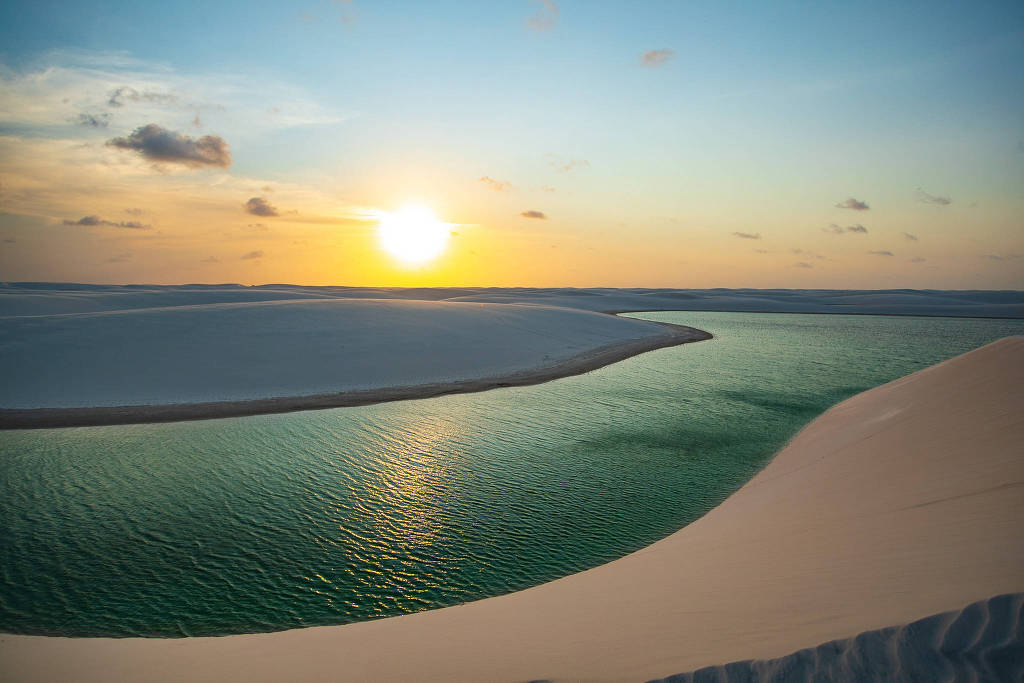
The rains that fall on the coast of Maranhão between February and May accumulate on the sands of the largest park of dunes in the country, forming lagoons of warm and crystalline water that make the place one of the most sought-after – and Instagrammed – destinations in the country.
As the dry season gradually erodes the lagoons, the best time to go is from May to August. The park does not charge an entrance fee, but to get to know it, it is necessary to hire an accredited driver in the cities neighboring the park, such as Santo Amaro do Maranhão (262 km from São Luís) and Barreirinhas (183 km from the Parnaíba airport, in Piauí).
FERNANDO DE NORONHA (Pernambuco)
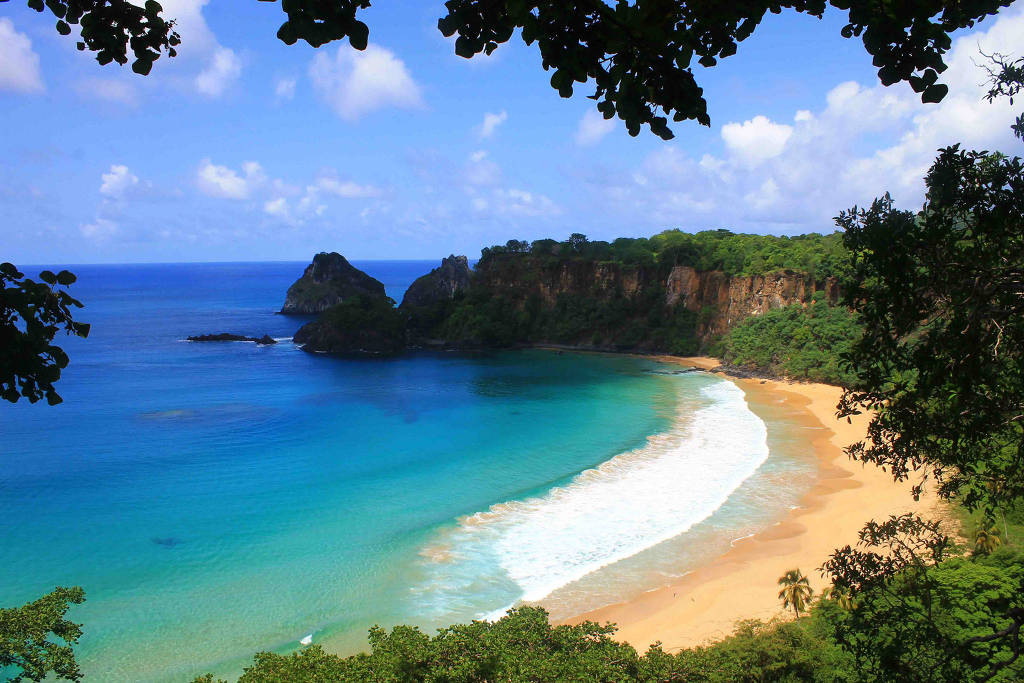
The unwary may get frustrated with the rules that govern the island of Fernando de Noronha, which has 70% of its territory within the limits of the national marine park.
To access these areas, in addition to an entrance fee (R$179 for Brazilians and US$72 for foreigners), it is usually necessary to queue up to get a spot (the number of visitors per day is limited) and hire a guide.
Even so, one or another attraction may be closed. But when you put on your snorkel and look underwater, everything makes sense: the rules allow tourists to have contact with an ecosystem practically untouched, with fauna that includes sharks, turtles, and even dolphins.
CHAPADA DAS MESAS (Maranhão)
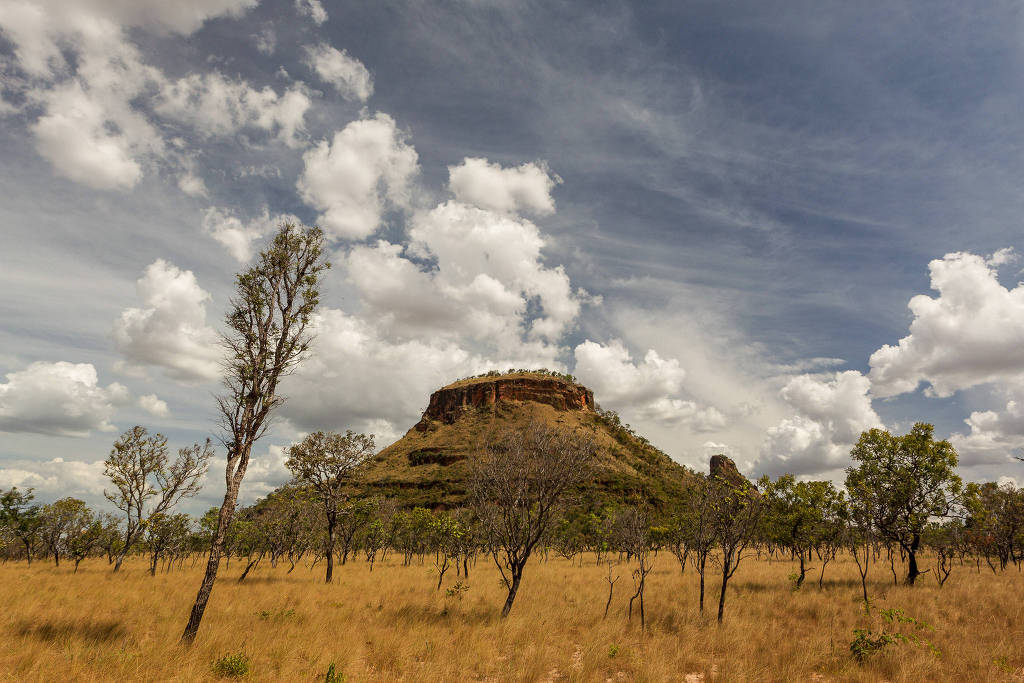
The interior of Maranhão has large rocky plateaus, such as Morro do Chapéu, that look like big stone tables on the horizon – which give the park its name and offer trails with panoramic views.
But the local fame really comes from the crystal clear waterfalls, which form cinematographic natural pools such as the Poço Azul, inside the Cachoeira do Rio Cocal Natural Reserve (R$70 admission), which also has the Santa Bárbara waterfall, the biggest in the park, with a 75 meter fall.
The main support point to access the park is the city of Carolina, 220 km south of Imperatriz by BR-010.
SERRA DA CAPIVARA (Piauí)
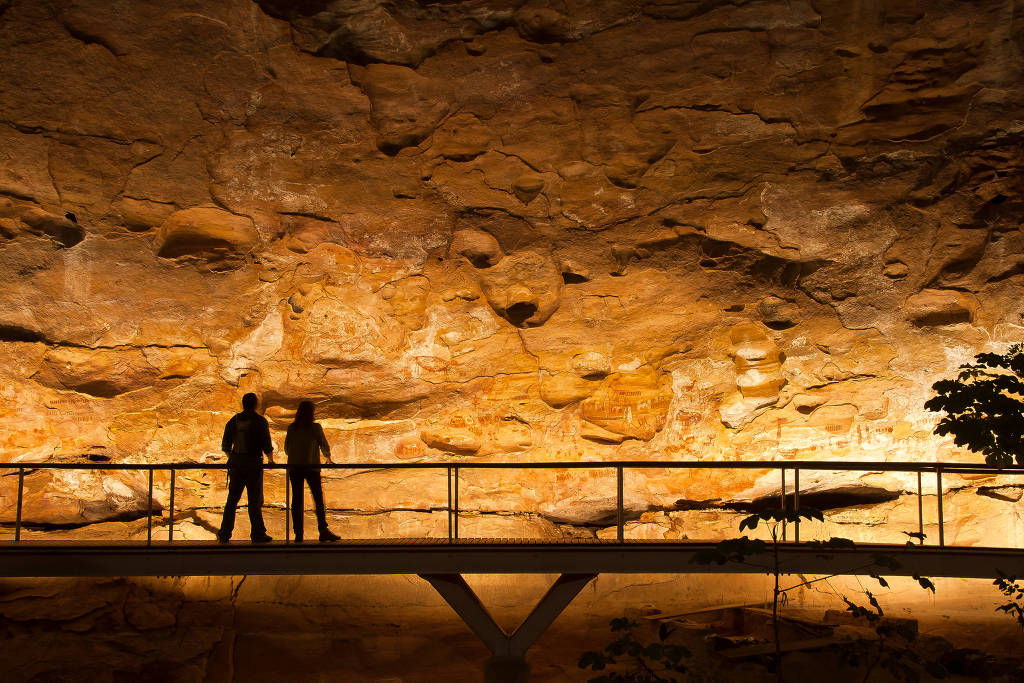
The oldest traces of human presence in the Americas, dating back 50,000 years, were found in the caves of this park.
There are countless stone artifacts, skeletons, and cave paintings that make up more than 1,000 archeological sites, the largest concentration of its kind on the continent, which put the park on the Unesco World Heritage list.
The accompaniment of a guide hired in advance is mandatory.
The main support point to access the park is the city of São Raimundo Nonato (Piauí), 303 km from Petrolina (Pernambuco)
CHAPADA DOS VEADEIROS (Goiás)
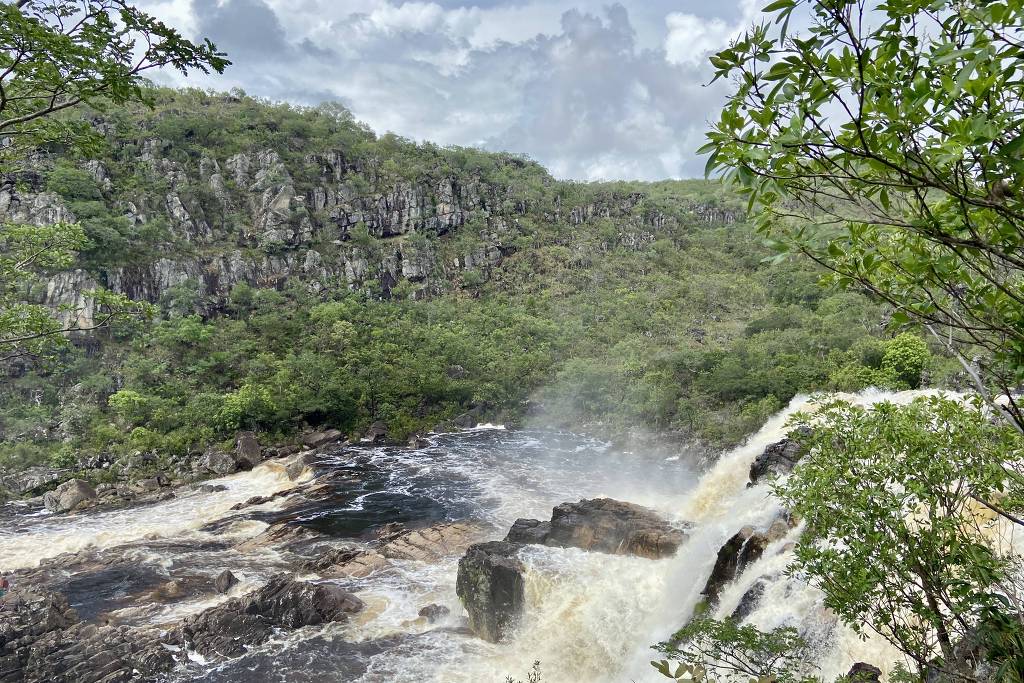
One of the world’s oldest and most diverse tropical ecosystems, the Cerrado is a refuge for thousands of species in times of climate fluctuations.
It is also known as the “cradle of the waters” since, before circulating throughout the continent, the rains that fall there feed the more than 2,000 waterfalls cataloged in the park.
In 2001, together with Emas National Park in Goiás, it was declared a Natural Patrimony of Humanity by Unesco.
Access to the park is possible from the Goias municipalities of Alto Paraíso de Goiás, Cavalcante, Teresina de Goiás, Nova Roma and São João d’Aliança
CHAPADA DOS GUIMARÃES (Mato Grosso)
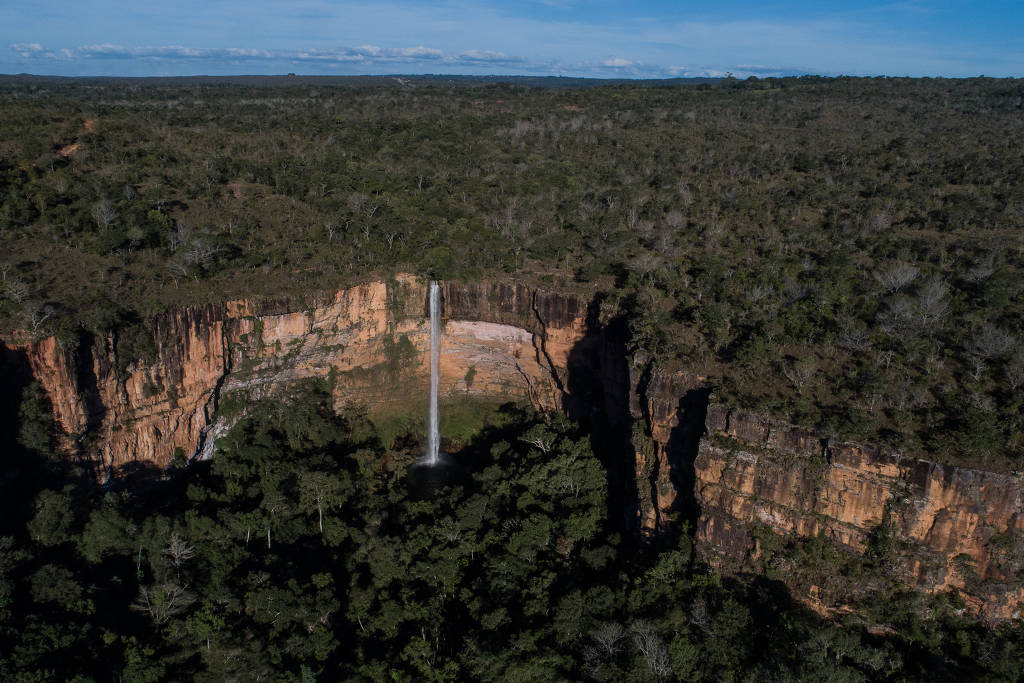
Just over 60 km from Cuiabá, the town with the same name as the park is the main entrance to its trails, waterfalls (such as the 86-meter high Véu de Noiva [Bridal Veil]), caves, and viewpoints – on clearer days, it is possible to see the capital of Mato Grosso and even the Pantanal plain.
Access is free, but some attractions require a guide.
Some tours in the surrounding area are also worthwhile, such as the Morro dos Ventos lookout and the Aroe Jari and Kiogo Brado caves.
SERRA DA CANASTRA (Minas Gerais)
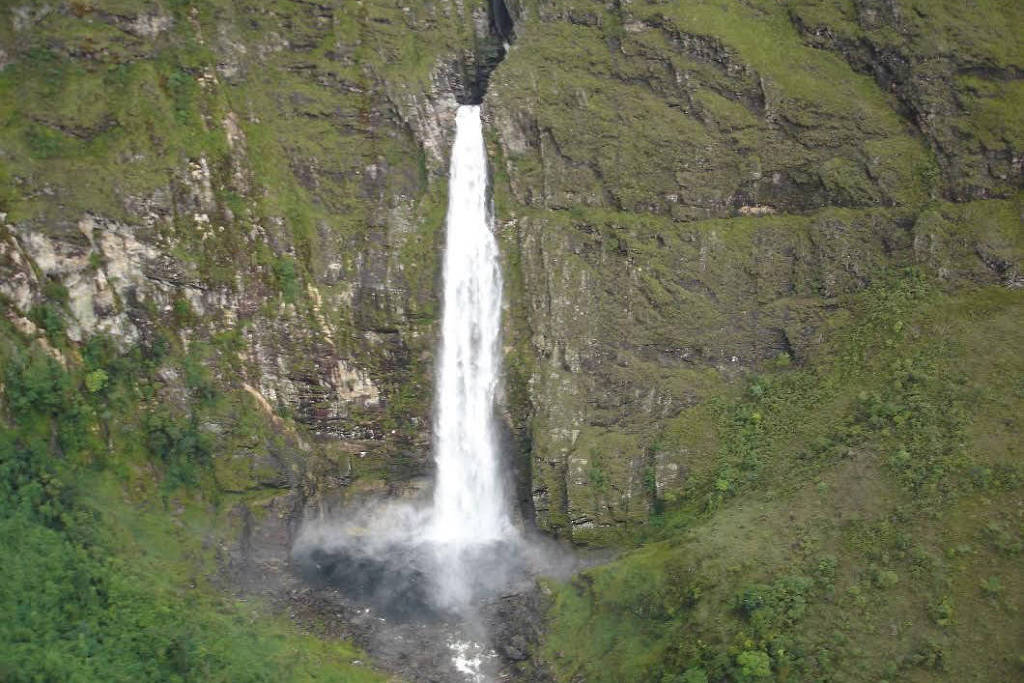
Less than 100 km from the famous Capitólio, in Minas Gerais (MG), this park is home to the springs of the São Francisco River and its first waterfall, the Casca D’anta, with a 186-meter waterfall and natural pools where it is possible to bathe.
A 1.6 km trail allows you to appreciate it from below, while another, more rustic, 3.3 km trail leads to the upper part.
Access is free, but on extended holidays it is recommended to schedule a visit on the ICMBio website.
The park’s gates are close to the towns of São José do Barreiro (São Paulo) and São Roque de Minas (MG)
SERRA DA BODOQUENA (Mato Grosso do Sul)
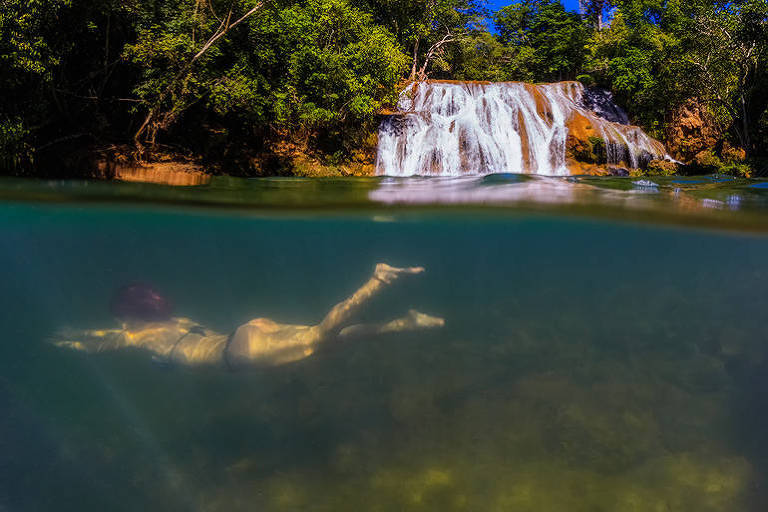
Among the attractions in Bonito, in Mato Grosso do Sul (MS), are the trails and waterfalls of this park, an area of Atlantic forest in the middle of the Cerrado that is also influenced by the Pantanal – which explains the richness of its biodiversity, which includes jaguars, pumas, capuchin monkeys and super-clear water rivers with well preserved ciliary forests.
Further north, in the municipality of Bodoquena, a medium difficulty trail leads to the Salobra River canyon, where it is possible to bathe in the midst of walls that reach 80 meters in height.
The entrance tickets are free, but it is necessary to hire a guide.
ITATIAIA (Minas Gerais and Rio de Janeiro)
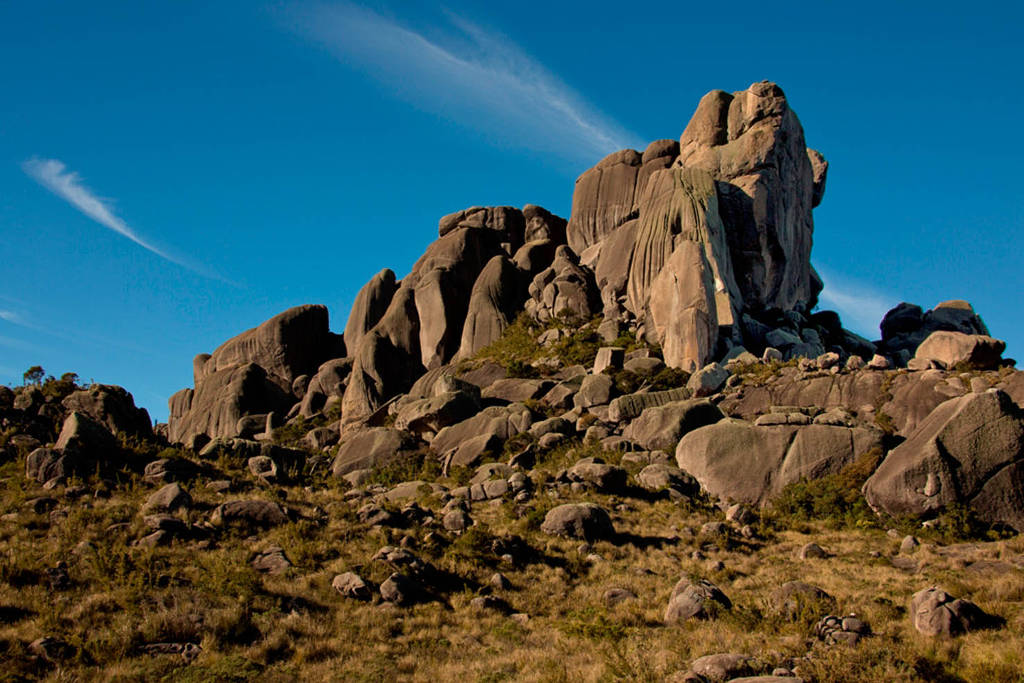
In the Mantiqueira Mountains, between Minas Gerais and Rio de Janeiro, this was the first national park created in Brazil in 1937.
In its lower part, the attractions include the waterfalls Véu da Noiva and Itaporani and natural pools such as Maromba and Lago Azul.
The mountains and rocky elevations make the trekkers happy on the upper part.
At the Pico das Agulhas Negras (Black Needles Peak), with 2,791 meters of altitude, it even snowed in the 1980s.
It is also possible to do overnight crossings, with 22 to 32 km itineraries.
Tickets start at R$22 per day.
From the city of Itatiaia (RJ), the BR-485 highway leads to the gatehouse of the lower part. Access to the upper part is via BR-354, 26 km after Engenheiro Passos.
With information from Folha de São Paulo
Brazil News, English news Brazil, Brazilian National Parks, ICMBio
This article was produced by The Rio Times’ automated newsroom system. How we use AI · Report an error
Read More from The Rio Times