Ecuador Tightens Transit Visa Rules to Curb Crime and Control Migration
Ecuador’s Ministry of Foreign Affairs announced a new transit visa requirement for citizens of 45 countries, including Cuba, Afghanistan, and Venezuela.
This measure, effective soon, aims to strengthen migration control and state security. The government links this move directly to its fight against transnational organized crime, especially human trafficking and migrant smuggling.
President Daniel Noboa declared an “internal armed conflict” against criminal gangs earlier this year. Since then, authorities have intensified efforts to disrupt criminal networks.
The new visa policy targets travelers from countries whose citizens already need a visa to enter Ecuador. Now, even those only passing through Ecuador must secure a transit visa.
Ecuador’s position as a transit and destination country for migrants has grown in recent years. The country hosts nearly 500,000 refugees, asylum seekers, and others needing international protection.
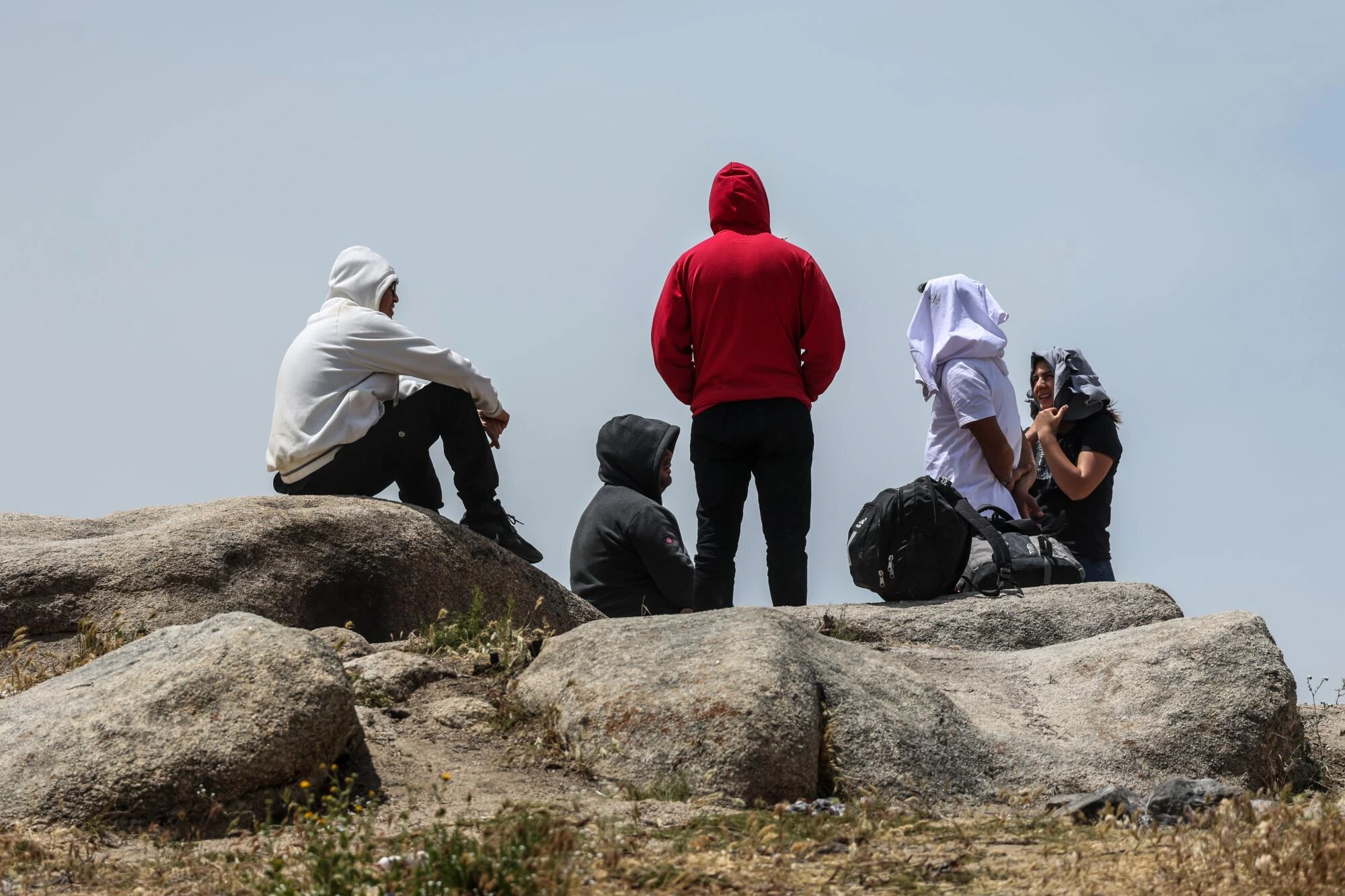
Many migrants, mainly from Venezuela and Colombia, cross Ecuador on their way north. The UNHCR reports that 93% of forcibly displaced people in Ecuador work in informal jobs, facing barriers to legal employment and basic services.
By tightening transit requirements, Ecuador seeks to disrupt the routes used by traffickers and smugglers. Officials believe this will make it harder for criminal organizations to exploit the country’s territory.
However, the policy will also affect regular travelers and migrants who use Ecuador as a transit point, increasing travel costs and planning complexity. Ecuador’s new approach reflects a broader trend in the region.
Countries are adopting stricter migration controls to address security concerns and manage rising migration flows. Businesses and travelers should monitor these changes, as they may impact logistics, labor mobility, and regional commerce.
More: Ecuador news in English, every day from The Rio Times.
This article was produced by The Rio Times’ automated newsroom system. How we use AI · Report an error · Editorial responsibility: Matthias Camenzind, Editor-in-Chief